
Lieferung heute & morgen

Qualitätsgarantie

Willkommens-Angebote freischalten: KOSTENLOSE Lieferung | Bis zu 80 % RABATT | Kostenlose 30-Tage-JoyPlus-Testphase
App herunterladen
Long hours sitting in the office or at home can lead to tension and discomfort. An ergonomic office chair is often presented as the solution, but the market is overwhelming. As a Joybuy Product Recommendation Officer, my mission is to provide you with objective criteria so you can make an informed decision and not fall for empty marketing promises.
Many chairs are labelled "ergonomic" without meeting the basic requirements. Before you make a purchase, you should be aware of the most common pitfalls that lead to disappointment and unnecessary expense.
To avoid a bad buy, focus on verifiable, technical features rather than advertising claims. The following three parameters are crucial for a truly ergonomic chair.
The key feature of a good chair is spinal support. An office chair with lumbar support should offer more than just a fixed cushion. Look for terms like adaptive or dynamic lumbar support. These systems adjust to your back's movements, providing continuous support whether you're leaning forward or reclining. A desk chair with a high backrest is also beneficial, as it relieves pressure on the shoulder and neck area, especially during long workdays.
An office chair must be adjustable to conform to your body. The synchronous mechanism is an industry standard here. It ensures that the seat and backrest tilt in an ergonomically sound ratio to each other. This promotes "dynamic sitting" and prevents a rigid posture. The armrests are just as important. Look for 3D or 4D armrests, which can be adjusted in height, width, depth, and sometimes even angle. This allows you to rest your forearms comfortably and prevent tension in the shoulder area.
The maximum weight capacity is an often-overlooked but critical safety feature. An office chair rated for up to 150 kg offers a more robust construction and greater durability. Pay attention to the gas lift class (Class 3 or 4 is common for high-quality models) and certifications like BIFMA or T?V/GS, which confirm the safety and durability of the components. This information is usually found in the product specifications.
Based on the criteria above, we have curated a selection of products for different needs and use cases.
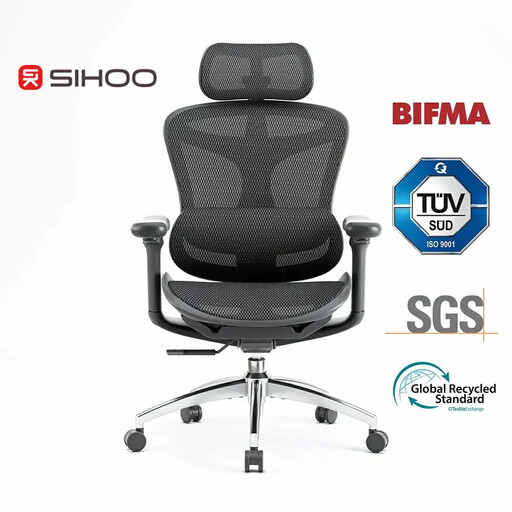
Why This Fits Their Persona: Ideal for individuals who spend more than six hours at their desk daily. Its comprehensive adjustment options are designed to actively support the body during long work sessions and prevent fatigue.
This model bypasses the rigid support trap with a self-adjusting lumbar support and a synchronous mechanism that promotes dynamic sitting. It is not a "one-size-fits-all" product.
The intelligent, weight-sensitive mechanism automatically adjusts the backrest's resistance. The weight capacity of up to 150 kg and its certifications (EN1335, BIFMA) attest to its robust construction.
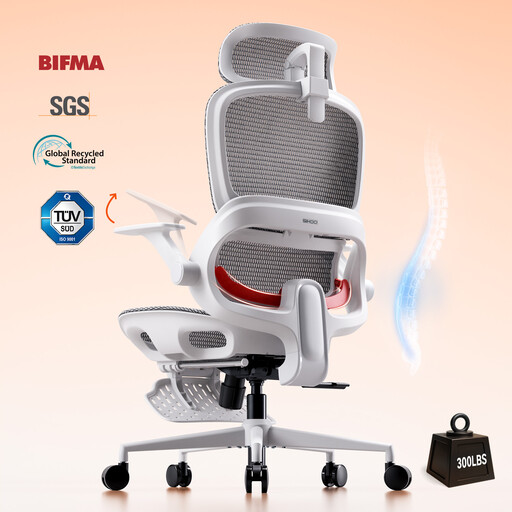
Why This Fits Their Persona: A great choice for students or individuals looking for their first ergonomic home office desk chair. It offers essential ergonomic features without breaking the bank.
This model offers an adjustable lumbar support and a high backrest with an adjustable headrest. The flip-up armrests provide flexibility and avoid the "one-size-fits-all" problem.
The integrated, retractable footrest is a clear differentiator in this price range, allowing for relaxing breaks. The breathable mesh back prevents heat build-up.
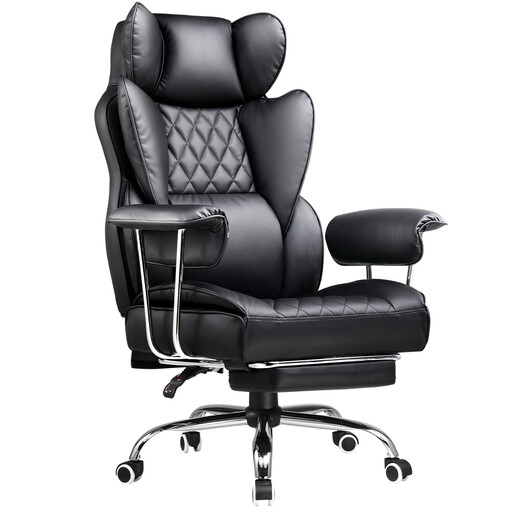
Why This Fits Their Persona: This chair is designed for long gaming sessions that alternate between periods of high concentration and relaxed moments. The racing-style seat design is combined with practical comfort features.
Unlike purely design-focused chairs, this model offers a high, adjustable backrest, separate lumbar and neck pillows, and a footrest. It's more than just a visual statement.
The deeply reclining backrest (often up to 150 degrees or more), combined with the footrest, allows for a near-horizontal position, ideal for breaks between games or for watching movies.
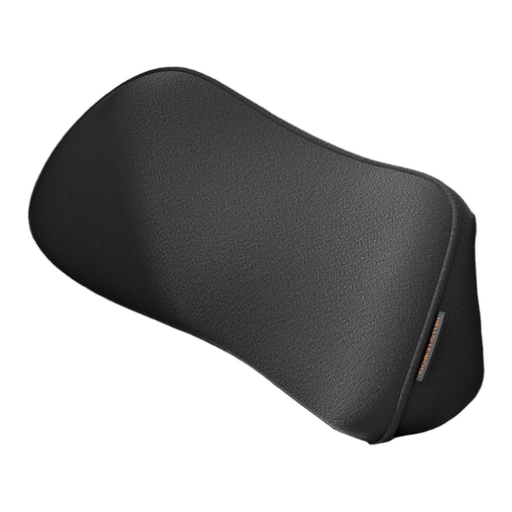
Why This Fits Their Persona: For users who want to specifically improve their existing office or car seat without immediately buying a completely new chair. A focused, cost-effective solution for the most common problem: a lack of lumbar support.
This cushion is a targeted solution, not a compromise. It directly addresses the lack of lumbar support, a major shortcoming in many standard chairs, and precisely fills the gap between your back and the backrest.
The memory foam material conforms to the individual shape of the lumbar spine. Its versatility allows it to be used in the car, in the office, or on any chair that needs an ergonomic upgrade.
We have compiled a complete, up-to-date list of products that meet these strict selection criteria and comply with current safety regulations.
The lifespan of an office chair depends heavily on the quality of its components and its usage. Models with a sturdy steel frame, a Class 3 or 4 gas lift, and high-quality casters can last 5 to 10 years with normal use. Regular maintenance, such as tightening screws, can extend its lifespan.
A gaming chair can be an alternative, but there are differences. Gaming chairs often emphasize a racing-seat aesthetic with pronounced side bolsters and a deep recline function. A classic ergonomic office chair focuses more on subtle, adaptive mechanisms like the synchronous tilt and a precisely adjustable lumbar support for an upright working posture. The choice depends on the primary use: focused work or a mix of gaming and relaxation.
A basic setup follows these steps: