
Lieferung heute & morgen

Qualitätsgarantie

Willkommens-Angebote freischalten: KOSTENLOSE Lieferung | Bis zu 80 % RABATT | Kostenlose 30-Tage-JoyPlus-Testphase
App herunterladen
Long days at a desk, whether in a corporate office or a home office, place significant demands on our bodies. Poor posture can lead to tension and discomfort. An ergonomic office chair is therefore not an afterthought, but a fundamental component of a functional workspace.
This article serves as a guide. It explains the objective criteria you should consider when making your selection and presents a curated list of models with various features to help simplify your decision.
Selecting the right chair depends on individual needs and its intended use. You should consider three key aspects in your decision.
A height-adjustable office chair is the foundation of an ergonomic sitting position. The ideal height is achieved when your feet are flat on the floor and your knees form an angle of approximately 90 degrees. Equally important are adjustable armrests. An office chair with armrests relieves strain on the shoulder and neck muscles, provided the armrests are set so your forearms rest comfortably while your shoulders remain relaxed. Some models offer flip-up armrests, which allow the chair to be pushed neatly under the desk to save space.
Integrated lumbar support is a crucial feature for supporting the lower back. It helps maintain the natural S-curve of the spine and prevents slouching. On some chairs, this support can be adjusted in height or depth to allow for precise alignment with your individual lumbar spine. The backrest itself should support the entire back and flexibly adapt to your movements. A swivel chair with a rocking or synchronous mechanism promotes dynamic sitting, which keeps the body in motion and activates the muscles.
The upholstery material affects both seating comfort and longevity. Fabric covers are breathable and feel pleasant, while PU leather (synthetic leather) is particularly low-maintenance and durable. The padding, often made of high-density foam, should retain its shape even after many hours of use and distribute pressure evenly. Also, pay attention to the specified maximum weight capacity and a sturdy base to ensure safety and stability in daily use.
Based on the criteria mentioned, we have compiled a selection of chairs that cater to different requirements and usage scenarios.

What sets it apart This model combines a modern design with fundamental ergonomic functions. The absence of armrests provides maximum freedom of movement and allows the chair to be pushed completely under the desk. The quilted backrest and thick seat cushioning offer solid comfort for the daily work routine.
Advantages
Who it's for Users in a home office who are looking for a functional and visually appealing desk chair without armrests and who value a clean, modern design.
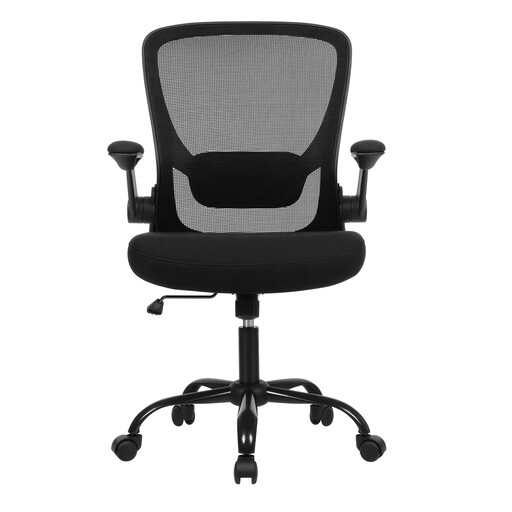
What sets it apart This chair focuses on classic ergonomics. With an adjustable lumbar support and flip-up armrests, it offers flexible customisation to personal needs. The rocking function supports dynamic sitting and allows for short relaxation breaks.
Advantages
Who it's for Professionals who need a versatile ergonomic office chair with targeted adjustment options for daily use in the office or home office.
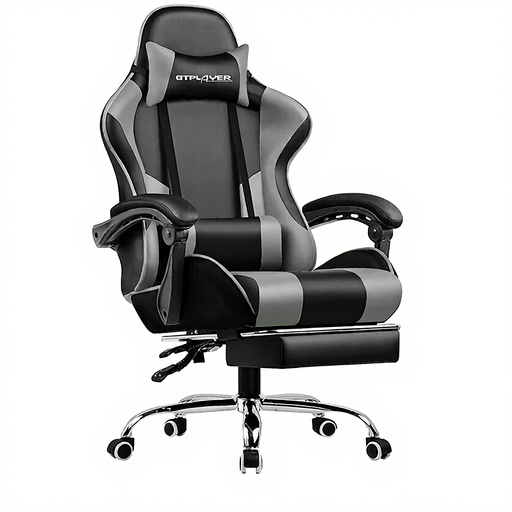
What sets it apart This model is designed as a gaming chair but is equally suitable for long work sessions. It offers a maximum of comfort features, including a retractable footrest, a backrest that reclines up to 150°, and a lumbar cushion with a USB massage function. The design is inspired by a racing car bucket seat and provides stable support.
Advantages
Who it's for Gamers, students, and anyone who spends extremely long hours at a desk and is looking for a chair with maximum adjustment and relaxation features.
If you haven't found the right model for your needs yet, or if you're looking for specific accessories to further enhance your seating comfort, you can find additional products to optimise your workspace in our category for leather seat cushions and other accessories.
Start with the seat height: your feet should be flat on the floor. Adjust the seat depth so there is a gap of about two to three fingers' width between the back of your knees and the front edge of the seat. The backrest should support your back, with the lumbar support positioned in the curve of your lower back. Set the armrests so that your shoulders are relaxed and your forearms rest on them at a 90-degree angle.
A classic ergonomic office chair often has a more understated design and is built for functional ergonomics in a professional setting. A gaming chair is frequently styled after racing seats, offering a higher backrest and pronounced side bolsters for more support. Additionally, it often includes extra comfort features like a recline function, footrests, or special cushions tailored for long gaming sessions.
Lumbar support is a key ergonomic feature. It fills the gap between your lumbar spine and the backrest, supporting the natural curve of your lower back. This helps counteract poor posture (slouching) that can develop during long periods of sitting without proper support. Good support in this area can reduce the strain on your intervertebral discs and prevent tension.