Joybuy Insights

How to Buy a Supportive Ergonomic Office Chair

By: Joybuy Product Recommendation OfficerDate: August 29, 2026

The right office chair is fundamental for productive work and helps prevent muscle strain. However, the market is overwhelming, and many models advertised as "ergonomic" fail to deliver on their promises. Before you make a decision, it's crucial to understand the most common pitfalls that can lead to a poor purchase.

The 3 Most Common Traps When Buying an Office Chair

  1. The Empty "Ergonomics" Promise: Many chairs are labelled "ergonomic" but offer few, if any, adjustment options. A truly ergonomic chair must adapt to your body, not the other way around. If basic adjustments like height-adjustable lumbar support or customisable armrests are missing, the term is pure marketing.
  2. Unsuitable Materials for Long Hours: A faux leather chair might look premium, but it can lead to heat buildup and discomfort during long periods of sitting, especially in the summer. Conversely, a coarse or low-quality mesh can quickly lose its tension or snag your clothing.
  3. Lack of Stability and Durability: A wobbly frame or a gas lift that fails after just a few months are common issues with budget-friendly models. The stated maximum weight capacity is often overstated and not supported by robust components, compromising both longevity and safety.

What Really Matters: The Key Features of an Ergonomic Chair

To avoid a bad buy, focus your attention on verifiable, functional features. These three areas are critical for comfort and maintaining a healthy posture.

1. Comprehensive Adjustability

Adaptability is the heart of ergonomics. Look for the following adjustment options:

  • Seat Height: A height-adjustable swivel chair is standard. Your feet should rest flat on the floor with your knees at an approximate 90-degree angle.
  • Lumbar Support: A good desk chair with lumbar support supports the natural curve of your lower back. Ideally, this support should be adjustable in height and depth to fit your spine perfectly.
  • Seat Depth: The seat depth should be adjustable, leaving a gap of about three to four fingers between the back of your knees and the front edge of the seat. This promotes proper blood circulation in your legs.
  • Armrests: An office chair with armrests relieves strain on your shoulders and neck. Height- and width-adjustable armrests allow you to rest your forearms at a 90-degree angle.
  • Mechanism: A basic rocking/tilt function reclines the seat and backrest together at a fixed angle. A synchro-tilt mechanism is more advanced: the backrest tilts at a greater ratio than the seat, which opens up your posture and relieves pressure on the intervertebral discs.

2. Material and Breathability

The material directly impacts your comfort throughout the day.

  • Mesh: Offers excellent ventilation and flexibly conforms to your body shape. It's a great choice for people who tend to get warm or work in warmer environments.
  • Fabric Upholstery: Is often durable and available in many colours. The padding underneath is crucial for comfort. High-density foam retains its shape longer.
  • PU Leather: Gives the chair a premium, executive look, often desired in an executive chair for a home office. Look for high-quality craftsmanship to prevent cracking.

3. Stability and Weight Capacity

A chair's longevity depends on the quality of its foundation.

  • Weight Capacity: Check the manufacturer's specified maximum weight limit. An office chair rated for up to 150 kg is typically equipped with a reinforced base and a more robust gas lift.
  • Base and Casters: A metal base (steel or aluminium) is more stable than plastic. The casters should be appropriate for your flooring (hard casters for carpet, soft casters for hard floors) to ensure mobility and protect your floor.
  • Certifications: Look for credentials like BIFMA or SGS certifications, which can indicate that components like the gas lift have been tested for durability and safety.

Our Picks for Different Needs

Based on these objective criteria, we have curated a few models for different user profiles.
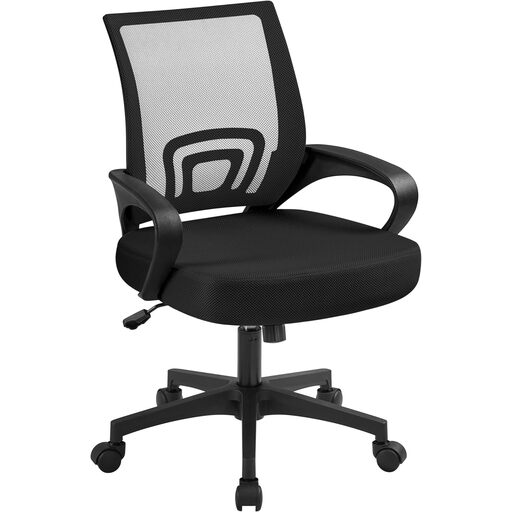
MATCH FOR: Budget-Conscious Beginners
Yaheetech Ergonomic Office Chair, Mesh Desk Chair

Yaheetech Ergonomic Office Chair, Mesh Desk Chair

Why This Fits Their Persona: Ideal for students or a first home office. This model focuses on essential ergonomic features without breaking the bank. The breathable mesh back is practical for long study or work sessions.

How It Avoids the Trap

It avoids the empty "ergonomics" promise by offering basic but functional adjustments, such as adjustable seat height and integrated lumbar support.

Key Advantage & Pros

Breathable mesh back for excellent thermal comfort; solid core features for improved posture compared to a standard chair.
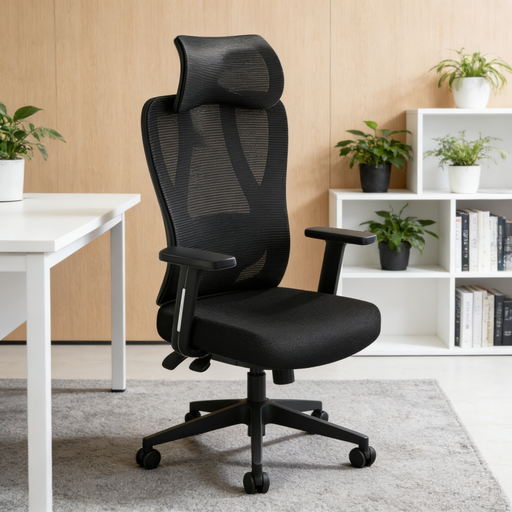
MATCH FOR: Demanding Power Users
ochama×J.ZAO Z5 Soft Chair - Ergonomic Office Chair

ochama×J.ZAO Z5 Soft Chair - Ergonomic Office Chair

Why This Fits Their Persona: For professionals and gamers who sit for many hours a day. This chair offers advanced adjustment options required for long-term, dynamic body support.

How It Avoids the Trap

With its 4D pivoting lumbar support and a recline angle of up to 140°, it offers demonstrably high adaptability, refuting the empty "ergonomics" promise.

Key Advantage & Pros

Advanced lumbar support for targeted relief; wide recline range for relaxation phases; breathable dual-layer mesh fabric.
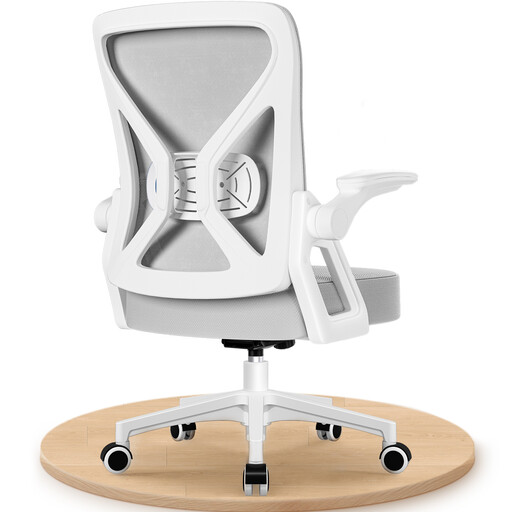
MATCH FOR: Heavy-Duty Requirements
GTIMEX Ergonomic Office Chair, Desk Chair

GTIMEX Ergonomic Office Chair, Desk Chair

Why This Fits Their Persona: Suitable for taller or heavier individuals who need a chair with above-average stability and weight capacity. Its robust construction ensures safety and longevity under heavy use.

How It Avoids the Trap

Directly addresses the trap of poor stability. With a certified gas lift and a sturdy base, this chair is designed for a load capacity of up to 150 kg.

Key Advantage & Pros

High weight capacity for reliable stability; adjustable lumbar support and a tilt function up to 125° for ergonomic comfort.

Looking for More Options?

We have compiled a complete, up-to-date list of products that fully meet these strict selection criteria and safety standards.

Frequently Asked Questions

How do I properly adjust an ergonomic office chair?

Start with the seat height: your feet should be flat on the floor and your thighs parallel to it. Next, adjust the lumbar support to fill the natural curve of your lower back. Set the armrests so your shoulders are relaxed and your forearms rest at a right angle. Finally, adjust the seat depth, leaving a hand's width of space between the back of your knees and the edge of the seat.

How long does a good office chair last?

The lifespan of an office chair heavily depends on the quality of its materials, construction, and intensity of use. A solid mid-range model can last about 5 to 7 years with daily use. Higher-end chairs with metal components and durable upholstery can remain functional for 10 years or more. Regular maintenance, such as tightening screws, can extend its life.

What is the difference between a rocking/tilt mechanism and a synchro-tilt mechanism?

Both mechanisms allow you to recline, but they function differently. With a rocking/tilt mechanism, the seat and backrest tilt back together at a fixed angle. This is good for short relaxation breaks. A synchro-tilt mechanism is more ergonomically beneficial: the backrest reclines more than the seat (e.g., at a 2:1 or 3:1 ratio). This opens the angle between your torso and thighs, which promotes circulation and relieves pressure on the intervertebral discs.