
Lieferung heute & morgen

Qualitätsgarantie

Willkommens-Angebote freischalten: KOSTENLOSE Lieferung | Bis zu 80 % RABATT | Kostenlose 30-Tage-JoyPlus-Testphase
App herunterladen
Long workdays at a desk, whether in a home office or a corporate setting, take their toll. Neck tension, lower back pain, and general fatigue are common consequences of poor posture. An ergonomic office chair is often touted as the solution, but the market is saturated with models that fail to deliver on their promises in practice. As your Joybuy Product Recommendation Officer, I'll help you identify the crucial features and sidestep common purchasing traps.
Many chairs are advertised with the "ergonomic" label, but this often conceals design flaws that only become apparent after a few weeks or months. Here are the most common problems:
To avoid a bad purchase, you should focus on verifiable, technical specifications. A truly functional ergonomic desk chair is distinguished by its precise adjustment capabilities and durable materials.
Individual customisation is the cornerstone of any ergonomic chair. Look for the following adjustment features to ensure the chair adapts to your body—not the other way around.
The quality of the components used determines the lifespan and safety of your chair.
Based on these quality criteria, we have selected a few models from our range to suit different user profiles.
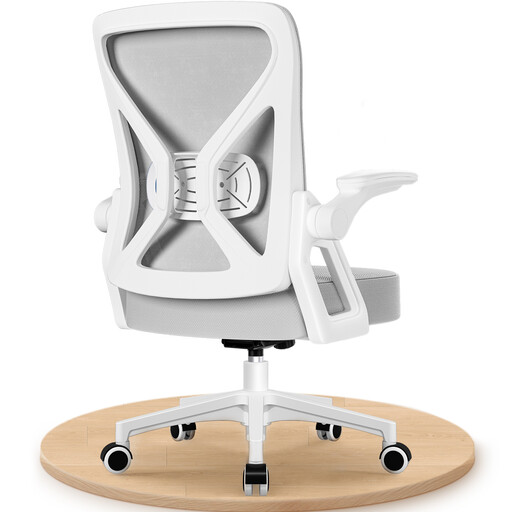
Why This Fits Their Persona: Ideal for users looking for a home office chair who need a functional seat that can be tucked away to save space. The flip-up armrests make it flexible for compact workspaces.
Instead of a rigid, 'one-size-fits-all' backrest, this model offers adjustable lumbar support, allowing for targeted customisation for the lower back.
Certified gas lift (up to 150 kg), space-saving flip-up armrests, and a 125° rocking function for relaxing breaks.
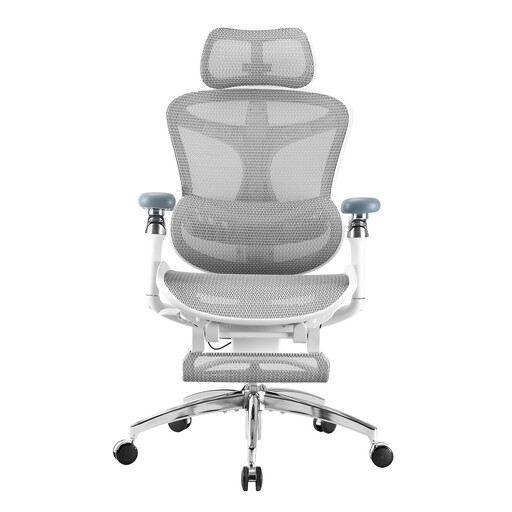
Why This Fits Their Persona: Engineered for individuals who spend long hours at their desk daily and require maximum dynamic support and adjustability to actively prevent fatigue.
This model goes far beyond standard ergonomics. Instead of fixed pillows, it features dynamic lumbar support and 6D armrests that adapt to the user's movements.
Dynamic lumbar support that adapts to your movements, ultra-soft 6D armrests, and adjustable seat depth for precise, body-contoured support.
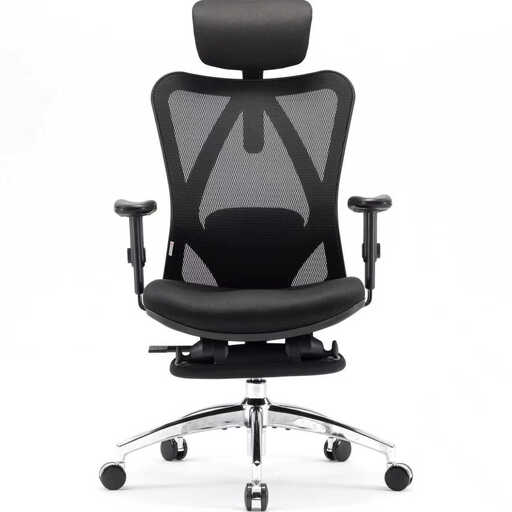
Why This Fits Their Persona: Perfect for users seeking a chair with a high weight capacity of 150 kg who also value relaxation features. The integrated footrest allows for comfortable breaks right at the workstation.
This model bypasses the subpar components trap with a proven high weight capacity and SGS/BIFMA-certified parts, ensuring durable and safe use.
Five dimensions of adjustment (back, head, seat height, tilt, armrests) combined with a retractable footrest and a high load capacity.
We have curated a complete, up-to-date list of products that fully meet these strict selection criteria and safety standards.
The lifespan of an ergonomic office chair depends heavily on material quality and usage. Models with a sturdy metal base, an SGS or BIFMA-certified gas lift, and high-quality mesh or abrasion-resistant fabric can easily last five years or more with daily use. Regularly checking and tightening screws can further ensure its stability.
Both options have their merits. A mesh back is highly breathable and provides excellent ventilation, which is particularly beneficial on warm days or for people who tend to sweat. A padded back is often perceived as softer and more comfortable. The key here is that the padding should be made of high-density foam to ensure long-lasting support. The choice ultimately comes down to personal preference and thermal comfort.
Proper adjustment is crucial. Start with the seat height: your feet should be flat on the floor and your knees should form a 90-degree angle. Adjust the lumbar support to fill the natural curve of your lower back. The armrests should be positioned so that your shoulders are relaxed and your forearms rest comfortably. Finally, adjust the headrest to support your neck in a neutral position.