
Lieferung heute & morgen

Qualitätsgarantie

Willkommens-Angebote freischalten: KOSTENLOSE Lieferung | Bis zu 80 % RABATT | Kostenlose 30-Tage-JoyPlus-Testphase
App herunterladen
Long workdays at a desk, whether in the office or at home, have become the norm for many. This often leads to neck tension, lower back pain, and general fatigue. A crucial factor for well-being during sedentary work is the choice of the right chair. An ergonomic office chair is not a luxury purchase, but a fundamental piece of equipment for a healthy workspace.
This article serves as a comprehensive guide. We will introduce you to various models and explain which features you should look for to make an informed decision based on objective product characteristics.
The selection is vast, and product descriptions are often filled with technical jargon. To make the right choice, you should focus on a few core features that have a direct impact on your seating comfort and posture.
A chair can only be ergonomic if it can be adapted to your body. Rigid models force the body into an unnatural position. Therefore, pay attention to the following adjustment options:
The sturdiness of an office chair is an often-underestimated but important quality feature. A desk chair with a 150 kg weight capacity provides a solid foundation and is an indicator of high-quality materials.
Remaining in a fixed position for long periods is stressful for the body. A good office chair should therefore encourage movement.
Based on the criteria mentioned above, we have compiled a selection of products that cater to different needs and preferences.
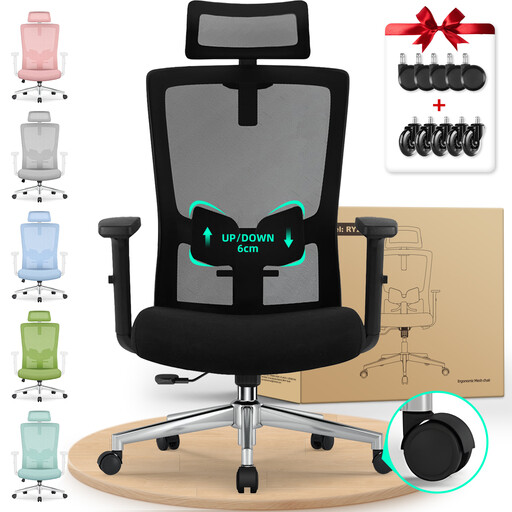
Why it stands out: This model focuses on the core aspects of ergonomics. With comprehensive adjustment options and a solid construction, it is designed to provide targeted support for the body during long workdays. The S-shaped backrest mimics the natural curve of the spine.
Advantages:
Who it's for: Individuals between 155 cm and 185 cm in height who are looking for a functional and highly adjustable office chair for daily, long-term sitting in a home office or corporate setting.
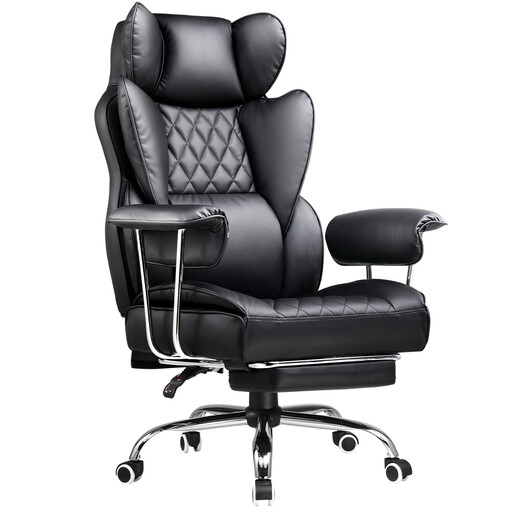
Why it stands out: Often described as an ergonomic executive chair, gaming-style chairs combine a striking aesthetic with comfort features that extend beyond the typical workspace. This model integrates a retractable footrest for relaxing breaks.
Advantages:
Who it's for: Users who want a chair for mixed use—work and leisure (e.g., gaming or watching movies)—and who value a bold aesthetic and extra comfort features like a footrest.
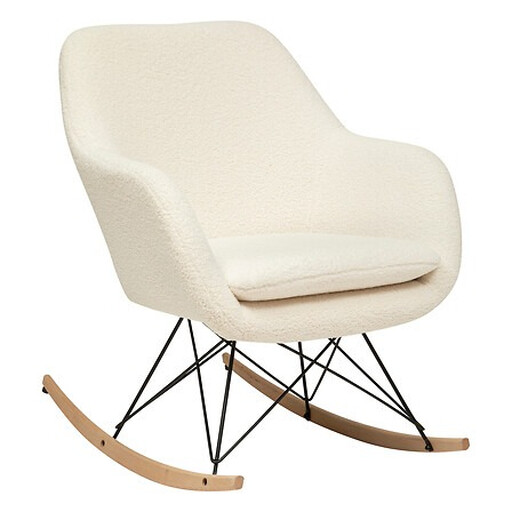
Why it stands out: This model is not a classic office chair but a design piece for the living space. The focus is on aesthetics and cosy comfort for short periods of relaxation, not on ergonomic support for work.
Advantages:
Who it's for: Individuals looking for a stylish armchair for the living room, bedroom, or a reading nook, who prioritise design and comfort over functional ergonomics for the workplace.
If your main focus is on creating a homely and appealing space, an accent chair might be the right choice. Discover more options in our category for a fluffy white accent chair to add a personal touch to your home.
1. What makes an office chair ergonomic? An office chair is considered ergonomic if it actively supports a healthy posture and can be adjusted to the user's individual body. Key elements include adjustable seat height, seat depth, customisable armrests, and a backrest with lumbar support that follows the natural curvature of the spine. Additionally, it should enable dynamic sitting, meaning it should allow for movement.
2. Is a gaming chair a good alternative to an ergonomic office chair? Many gaming chairs offer ergonomic features like a high backrest, lumbar and neck pillows. Their suitability as an office chair depends on the specific model and personal preference. They often place a stronger emphasis on a deep recline and a sporty look. In contrast, a classic ergonomic office chair is usually more subtly designed and optimised for an upright working posture.
3. How important is the weight capacity of an office chair? The maximum weight capacity is a crucial indicator of the chair's stability and durability. A chair designed for a higher weight (e.g., up to 150 kg) typically uses more robust materials for the base, castors, and gas lift. Choosing a chair with a sufficient weight capacity margin contributes to safety and a longer lifespan.