
Lieferung heute & morgen

Qualitätsgarantie

Willkommens-Angebote freischalten: KOSTENLOSE Lieferung | Bis zu 80 % RABATT | Kostenlose 30-Tage-JoyPlus-Testphase
App herunterladen
Long hours sitting at a desk, whether in the office or at home, take their toll. Neck tension and lower back pain are often the result. An ergonomic office chair is frequently touted as the solution, but the market is overwhelming. Many buyers invest in a model that shows defects after just a few months. To help you avoid such a costly mistake, we'll highlight the most common pitfalls and show you what really matters.
An ergonomic desk chair is defined by specific, adjustable features. Instead of being swayed by marketing terms, you should focus on these three core parameters.
The lordosis is the natural S-curve of your lumbar spine. An office chair with lumbar support fills this exact curve, stabilising the lower back. Good lumbar support is not just a simple cushion; it is adjustable in height and, ideally, in depth. This allows it to be precisely adapted to the contour of your spine, actively preventing a slumped posture. Without this customisable support, the back tends to collapse, increasing pressure on the intervertebral discs.
The mechanism determines how the seat and backrest move. There are significant differences here:
The quality of the materials determines your chair's lifespan. A mesh back office chair is a popular choice as it is breathable and conforms well to the back. Look for a high-quality, tightly woven mesh fabric. The manufacturer's specified load capacity is crucial. For many users, an office chair rated for up to 150 kg is a safe bet, as it indicates a more robust frame, gas lift, and base. Certifications like BIFMA or SGS are also good indicators. These standards test components for their durability and safety under load.
Based on the criteria mentioned, we have put together a few models for different user profiles and requirements.
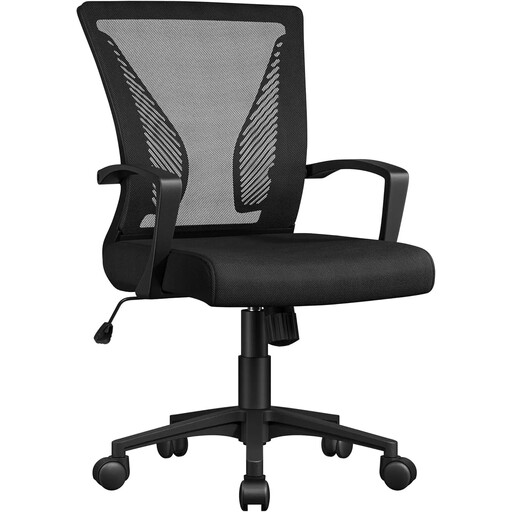
Why this model is a good fit: Ideal for students or a first home office. It provides fundamental ergonomic features like adjustable seat height and a supportive backrest shape without breaking the bank. Its mobility via 360° castors is practical for flexible workspaces.
This model avoids the empty "ergonomics" promise by focusing on essential, functional adjustments like height control and an ergonomically shaped backrest, rather than advertising non-existent premium features.
Solid foundational features with a breathable mesh back and a load capacity of up to 136 kg, which provides a robust base in this price range.
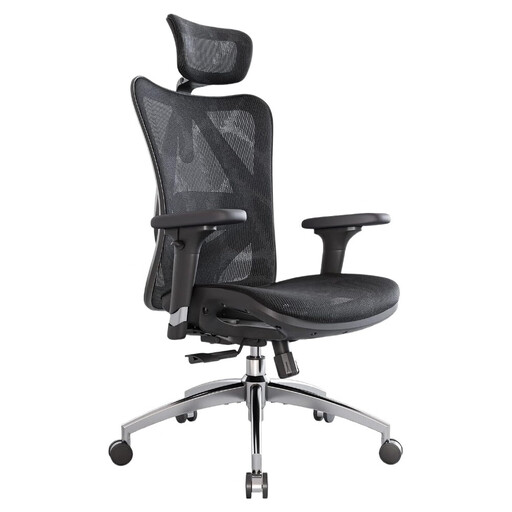
Why this model is a good fit: For individuals who spend many hours at their desk daily. Its comprehensive adjustment options, including 3D armrests and an adjustable headrest and lumbar support, allow for precise customisation to your body and help prevent fatigue.
This chair sidesteps the material pitfall with a high-quality, elastic polyester mesh and a sturdy aluminium alloy construction. The manufacturer's stated BIFMA and SGS certifications for the gas lift signal tested durability.
The combination of an S-shaped backrest, adjustable lumbar support, and 3D armrests offers a high degree of individual customisation for a healthy sitting posture.
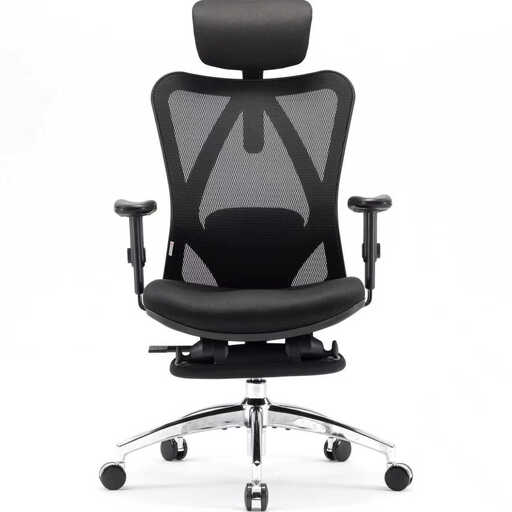
Why this model is a good fit: Designed for users who value maximum stability and additional comfort features. The high load capacity and retractable footrest make the chair both a work tool and a place for short relaxation breaks.
This chair directly addresses the pitfall of unstable mechanics. With a maximum weight capacity of 150 kg, an aluminium base, and SGS/BIFMA-certified components, it offers a verifiably robust and durable construction.
The integrated, adjustable footrest is a clear differentiator, offering a relaxation feature rarely found in standard office chairs. Ideal for breaks in the home office.
We have compiled a complete, up-to-date list of products that fully meet these strict selection criteria and German safety regulations.
The lifespan heavily depends on material quality, construction, and intensity of use. Basic models often last only 2-3 years. Mid-range chairs with certified components (e.g., to BIFMA standards) can last 5-7 years or longer with proper care. The quality of the gas lift, castors, and upholstery material is crucial.
Look for the key adjustment options: 1. Seat height adjustment, 2. an adjustable lumbar support (in height and/or depth), 3. adjustable armrests (height, ideally also sideways and in depth—so-called 3D or 4D armrests), and 4. a reclining backrest, preferably with a synchronous mechanism. If these core functions are missing, the term "ergonomic" is often just for marketing.
This is a matter of personal preference. A mesh back office chair offers excellent air circulation, which is particularly beneficial in warmer environments or for people who tend to sweat easily. It also flexibly conforms to the shape of your back. In contrast, a high-quality padded chair can provide a softer, more cushioned feel. The key is quality: cheap mesh will sag, and low-grade foam will flatten out.