
Lieferung heute & morgen

Qualitätsgarantie

Willkommens-Angebote freischalten: KOSTENLOSE Lieferung | Bis zu 80 % RABATT | Kostenlose 30-Tage-JoyPlus-Testphase
App herunterladen
Long days at a desk have become the norm for many professionals. However, sitting for hours can lead to tension and discomfort, especially in the back, neck, and legs. An ergonomic office chair with a footrest is designed not only to promote healthy posture but also to provide targeted moments of relaxation throughout the workday.
This article serves as a guide. We will introduce a selection of models and explain the key features to consider, helping you make an informed choice for your office or home office.
Finding the right chair can seem complex given the many options available. The following three criteria will help you identify the features most relevant to your daily work routine.
An ergonomic swivel chair stands out for its adaptability. An adjustable computer chair allows you to tailor it precisely to your body's dimensions. Look for the following adjustment features:
The choice of material affects both the comfort and the durability of the chair. Mesh fabric is breathable and promotes air circulation, which is particularly beneficial on warmer days or during long periods of sitting. In contrast, padded seats and backrests often provide a softer feel.
The synchronous mechanism is an important standard. It ensures that the seat and backrest tilt in a coordinated ratio, keeping the body in motion and promoting circulation. A sturdy base made of metal or robust plastic, along with high-quality, floor-friendly casters, completes a well-built chair.
The integrated footrest is the key feature of this chair category. Combined with an adjustable backrest, it transforms the work chair into an executive chair with a reclining function. This feature is more than just a luxury:
Based on the criteria mentioned, we have compiled a selection of chairs that stand out for their specific ergonomic features and integrated footrests.
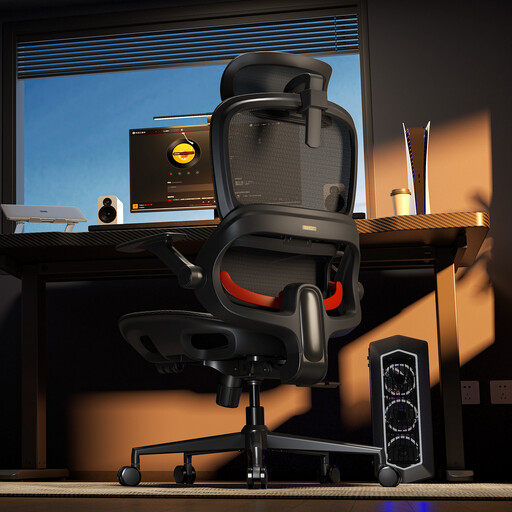
Why it stands out: The SIHOO B100JT combines an adaptive lumbar support that adjusts to the user's movements with practical, flip-up armrests. This detail makes it particularly space-saving, as the chair can be pushed completely under the desk.
Pros:
Who is it for? This chair is a great choice for users in a home office or in offices with limited space who are looking for a fully-featured ergonomic chair that can be stored compactly when not in use.
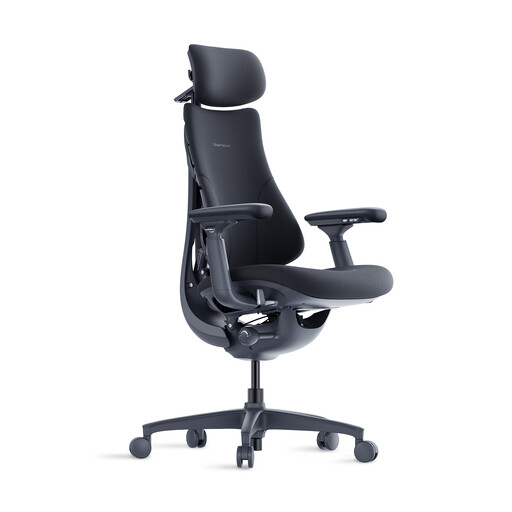
Why it stands out: The LiberNovo Omni is distinguished by its exceptionally large recline angle of up to 160 degrees and a feature for integrated spinal decompression. This allows for a nearly flat position for maximum relaxation during breaks.
Pros:
Who is it for? Ideal for individuals who value intensive recovery breaks during long workdays and appreciate the ability to fully recline and stretch for short periods.
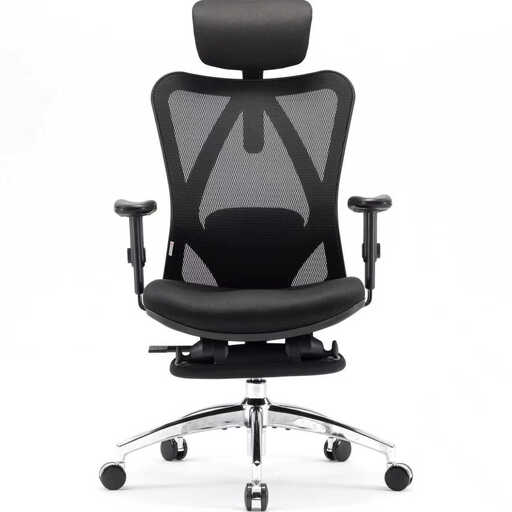
Why it stands out: As another model from the SIHOO brand, the M18JT focuses on breathability and seating comfort. The backrest, made of breathable mesh, ensures constant air circulation, while the W-shaped seat cushion minimises pressure on the thighs.
Pros:
Who is it for? This chair is particularly suitable for users who tend to overheat while sitting and are looking for a combination of good ventilation and targeted pressure relief in the seat area.
If you want to keep your current office chair but wish to improve comfort for your legs and feet, a separate under-desk footrest could be a worthwhile addition. It also promotes better posture and circulation.
Discover our selection of under-desk footrests here
A footrest significantly contributes to overall comfort. It allows you to elevate your legs, which reduces pressure on the back of the thighs and the lower back. This promotes blood circulation and enables a more relaxed posture, especially when combined with a reclining backrest.
An effective lumbar support should be at least height-adjustable to align it correctly with your lumbar spine. Models with additional depth adjustment or adaptive supports that conform to your movements offer a higher degree of personalised support.
An ergonomic office chair is designed to promote a neutral and supported posture. By reducing poor posture and muscular strain, it can help improve overall well-being during desk work. However, for existing or chronic conditions, it is advisable to also seek the advice of a doctor or physical therapist.