
Lieferung heute & morgen

Qualitätsgarantie

Willkommens-Angebote freischalten: KOSTENLOSE Lieferung | Bis zu 80 % RABATT | Kostenlose 30-Tage-JoyPlus-Testphase
App herunterladen
Choosing the right seating is crucial for comfort and functionality in both living and work spaces. However, the market can be overwhelming, and appealing designs often hide quality defects that only become apparent after a short period of use. This guide will help you avoid common purchasing pitfalls and make an informed decision based on objective criteria.
Before you make a purchase, it's important to be aware of three widespread issues that often lead to dissatisfaction:
To avoid a bad purchase, focus your selection on a few fundamental, verifiable characteristics.
The longevity of a piece of seating depends directly on the materials used.
Good ergonomics isn't a luxury but a necessity, especially for chairs used daily for extended periods.
The maximum load capacity is an important indicator of a chair's robustness.
Here are some recommendations tailored to specific use cases that meet the criteria mentioned above.
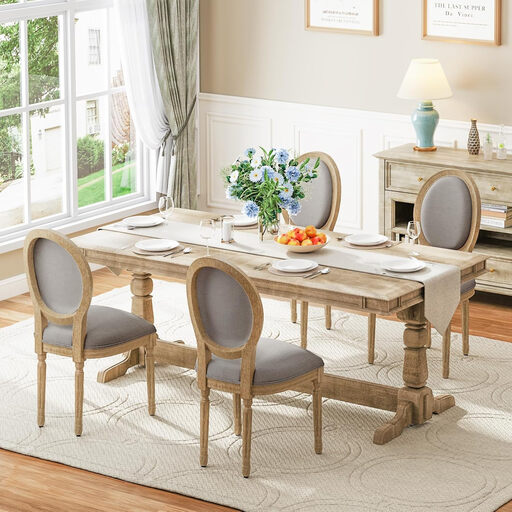
Why this model is a great fit: Ideal for those who value an elegant atmosphere. The French country design, with hand-carved grooves and an antique finish, lends a sophisticated character to any dining or living area that goes beyond purely functional seating. This set of 2 dining chairs is a visual statement.
This model avoids the pitfall of unstable construction with a frame made of birch wood and legs of solid rubberwood. The specified weight capacity of 129 kg per chair confirms its robust build.
A combination of design and stability. The round backrest is modelled after the human spine, and adjustable foot caps protect the floor from scratches.
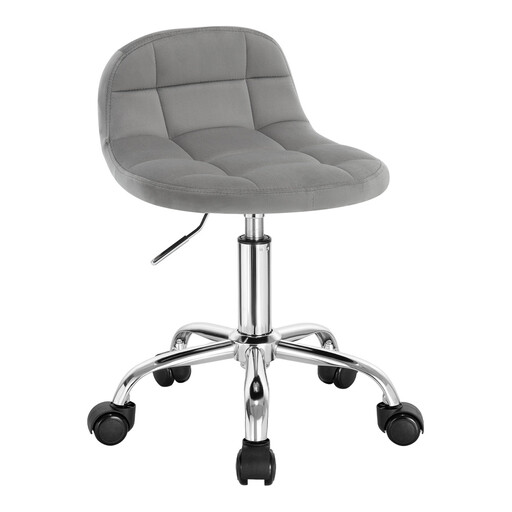
Why this model is a great fit: Perfect for home offices, beauty salons, or workshops where mobility and a compact solution are required. The rolling task stool allows for quick changes in position and can be tucked away under a desk to save space when not in use.
It addresses the "misleading ergonomics" pitfall. Instead of being just a simple stool, it offers a low backrest for targeted lumbar support and is height-adjustable, allowing it to be adapted to the work surface.
High flexibility thanks to stepless height adjustment (56.5–68 cm), 360° swivel, and floor-friendly PU casters. The chrome-plated metal base ensures a stable weight capacity of up to 120 kg.
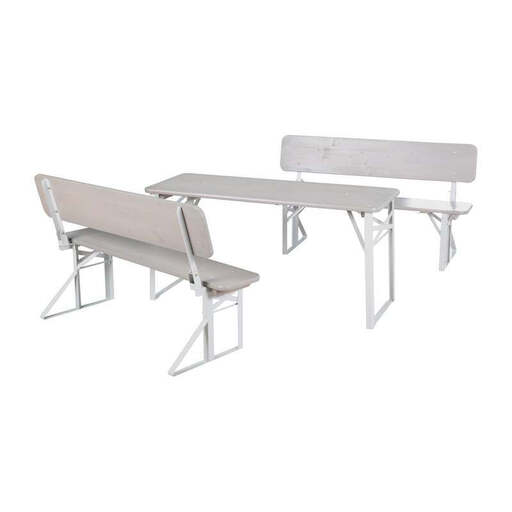
Why this model is a great fit: It provides a safe and child-friendly seating option for garden parties, picnics, or crafting sessions. The size is perfectly scaled for children, and the set is suitable for both outdoor and indoor use. The folding feature is practical for storage.
This set proactively addresses safety concerns with children's furniture. It features backrests for fall prevention, rounded edges to avoid injuries, and a stable construction with a specified load capacity of 80 kg per bench.
Safety and practicality. The weather-resistant, FSC-certified wood is sustainable and durable. The folding function of the metal legs allows for quick and space-saving storage.
We have compiled a complete, up-to-date list of products that fully meet these strict selection criteria and rigorous safety standards.
1. How do I properly care for upholstered chairs to keep the fabric looking good for a long time? Proper care depends on the material. Generally, it's recommended to regularly vacuum the upholstery with an upholstery attachment to remove dust and loose particles. For stains, you should act quickly: blot the liquid with a clean, dry cloth instead of rubbing. Use a mild detergent suitable for the specific fabric type for cleaning, and always test it on an inconspicuous area first.
2. What does "ergonomic office chair" really mean? An ergonomic office chair is designed to promote a healthy posture and can be adjusted to the individual user. Key features include adjustable seat height, an adaptable backrest (in height and tilt), lumbar support to relieve the lower back, and adjustable armrests. The goal is to adapt the chair to your body, not the other way around, to minimise strain.
3. How high should a bar stool be for my kitchen counter? As a rule of thumb, there should be a gap of about 25 to 30 cm between the stool's seat and the underside of the counter. Therefore, measure the height of your counter first. For a standard kitchen counter of about 90 cm in height, a stool with a seat height of 60 to 65 cm is suitable. For a taller bar counter (approx. 105–110 cm), you should choose a seat height of 75 to 80 cm. Height-adjustable bar stools offer the most flexibility here, as they can be adapted to different counter heights and user sizes.