
Lieferung heute & morgen

Qualitätsgarantie

Willkommens-Angebote freischalten: KOSTENLOSE Lieferung | Bis zu 80 % RABATT | Kostenlose 30-Tage-JoyPlus-Testphase
App herunterladen
Long days at a desk have become the norm for many professionals, students, and freelancers. This often leads to neck tension, back pain, and general fatigue. A thoughtfully designed, ergonomic workspace can help prevent these issues, boost your well-being, and improve concentration. This article serves as a practical guide to help you select the right home office equipment and lay the foundation for a healthy work environment at home.
Setting up an ergonomic workspace doesn't have to be complicated. By focusing on a few core components, you can establish the groundwork for a healthier work routine. Here are three central aspects that should play a role in your office equipment selection.
The desk is the cornerstone of your workspace. A sit-stand desk offers the flexibility to regularly switch between sitting and standing. This change in posture can stimulate circulation and reduce one-sided strain on the spine. Ensure the desktop is large enough to comfortably accommodate your monitor, keyboard, and work documents. A load capacity of at least 70 kg ensures the desk remains stable even with multiple devices.
An ergonomic office chair should adapt to your body, not the other way around. Key adjustable features include seat height, seat depth, and a backrest that supports the lumbar region. The materials should be breathable and durable. Modern office furniture often features a clean design that blends well into a home environment without compromising on functionality.
Small additions can significantly improve ergonomics. An anti-fatigue mat, for example, relieves pressure on your feet, legs, and back while working in a standing position. It encourages minimal, subconscious movements, which stimulates muscle activity. Proper monitor positioning at eye level, along with an external keyboard and mouse, are also part of a comprehensive approach to a healthy home office.
Based on the criteria mentioned, we have curated a selection of products that can serve as a solid foundation for an ergonomic workspace.
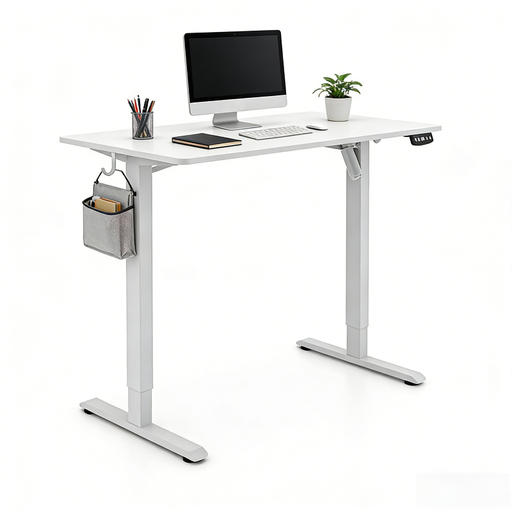
Why This Model Stands Out This model combines electric height adjustment with a minimalist design. The quiet lifting mechanism allows for a smooth transition between sitting and standing positions without disrupting your workflow.
Benefits
Who Is It For? This model is ideal for individuals looking for a functional and accessible entry point into the world of sit-stand desks, who also value a clean, modern design.

Why This Model Stands Out This chair merges a modern aesthetic with fundamental ergonomic features. The armless design provides greater freedom of movement and allows the chair to be tucked neatly under the desk to save space.
Benefits
Who Is It For? This office chair is a great choice for users seeking a stylish and compact chair for their modern home office, who can or prefer to do without armrests.
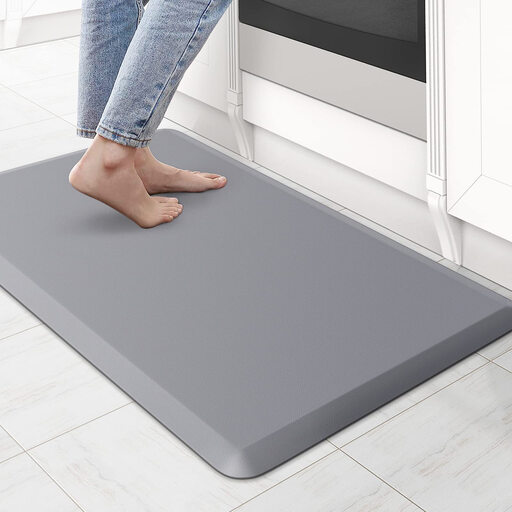
Why This Model Stands Out This mat is specifically designed to enhance comfort while working in a standing position. Its high-density foam core provides a surface that is both cushioning and supportive.
Benefits
Who Is It For? This mat is a worthwhile addition for anyone who uses a standing desk and wants to reduce strain during long periods of standing.
The products featured offer a great starting point. However, every workspace has unique requirements for size, material, or additional features. If you are looking for a model with different dimensions, a higher load capacity, or specific design elements, it's worth exploring other alternatives.
Discover our entire selection of sturdy desks and find the perfect model for your needs.
What does an ergonomic workspace include? An ergonomic workspace typically includes a height-adjustable desk, an adjustable office chair, a monitor positioned correctly at eye level, and an external keyboard and mouse. Add-ons like a footrest or an anti-fatigue mat can further enhance comfort.
How often should you work while standing? There is no fixed rule, but general recommendations suggest changing your posture every 30 to 60 minutes. A balanced ratio of sitting and standing is often effective. The key is to listen to your body's signals and find a routine that feels right for you.
What is the ergonomic height for a desk? The ideal desk height depends on your body size and posture. When sitting, your forearms should rest on the desktop at roughly a 90-degree angle with your shoulders relaxed. The same rule applies when working while standing. A height-adjustable desk is advantageous here, as it allows for precise adjustment for both postures.