
Lieferung heute & morgen

Qualitätsgarantie

Willkommens-Angebote freischalten: KOSTENLOSE Lieferung | Bis zu 80 % RABATT | Kostenlose 30-Tage-JoyPlus-Testphase
App herunterladen
A captivating Escape Room Game promises excitement and teamwork right on your living room table. But with a growing selection of titles, making the right choice can be tough. Not every game delivers on its promises. Before you make a purchase that could compromise your game night, it's crucial to understand the common pitfalls and know what really matters when choosing.
As a Joybuy Product Recommendation Officer, I analyse market data to provide you with objective, practical advice. This guide will help you select the perfect game for your group and avoid any disappointment.
Many buyers are disappointed after unboxing because key features weren't clearly communicated. Pay close attention to these three points:
To find the right at-home puzzle game, you should evaluate three core criteria. These will help you select a game that perfectly matches your group's expectations and experience level.
Your group's dynamic is crucial. Are you looking for a game for a quiet evening for two, or for a larger gathering with friends? Most escape room games are cooperative board games where everyone works together against the clock, which promotes team spirit. Other formats, like a crime game, can include competitive elements where players investigate against one another. Check the player count on the box to ensure it fits your group.
Manufacturers like Kosmos use a scale ranging from Beginner and Intermediate to Expert.
Also, pay attention to the estimated playtime (often 45–90 minutes) to make sure it fits into your game night ideas.
This is one of the most important, yet often overlooked, factors.
Clarify this point before buying to align your expectations with the game's value.
Here are some recommendations tailored to different needs and experience levels.
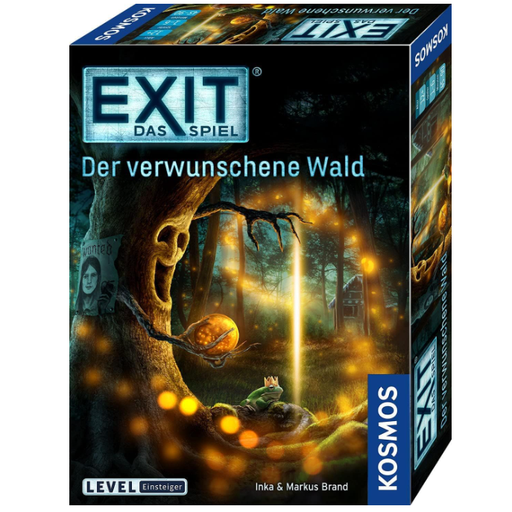
Why This Fits Their Persona: Ideal for a first foray into the world of escape games. The cooperative fairy-tale theme is perfect for family games (ages 10+) or couples looking for a shared sense of accomplishment.
The clear "Beginner" label is accurate here, preventing frustration. The optional app also provides instructions and a timer, which helps avoid rule ambiguities.
Promotes teamwork and logical thinking in an accessible way. The single-play concept is positioned as a special event experience.
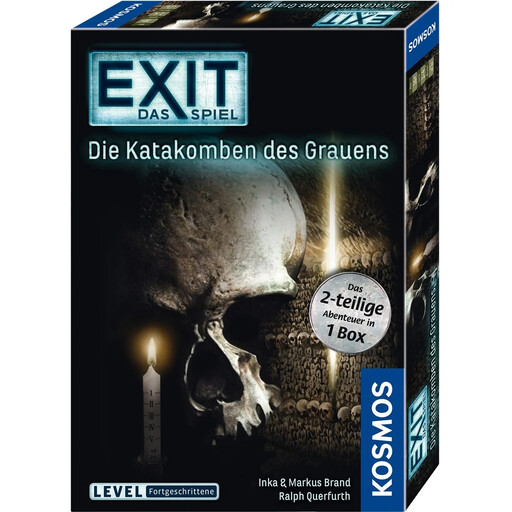
Why This Fits Their Persona: A demanding, two-part challenge for groups that have already mastered several escape games. The dark theme is clearly aimed at board games for adults and promises an intense evening.
The "Intermediate" level delivers the expected complexity and avoids being underwhelming. The two-part structure offers greater play value and justifies the single-play concept.
Offers a deep narrative and complex, non-linear puzzles. The tactile experience of destroying components is an integral part of the experience here.

Why This Fits Their Persona: Perfect for players who prefer a narrative investigation over a pure puzzle room. As a team of detectives, players analyse a case file with over 50 pieces of evidence to solve a "cold case."
This crime game sidesteps the typical escape room pitfalls because it's based on deduction and story, not difficulty levels. Expectations are geared towards an immersive investigation from the start.
Delivers a high level of immersion through authentically designed evidence (newspaper clippings, photos, letters). It offers a different, but equally captivating, group experience.
We've compiled a complete, up-to-date list of products that fully meet these strict selection criteria and rigorous safety standards.
1. Can you really only play an EXIT game once? Yes, most games in the "EXIT: The Game" series are designed for single use. This is because players actively alter the game components while solving puzzles—they fold, write on, or cut up cards and other elements. This process is a core part of the game's concept and makes the experience especially immersive. After playing, the puzzles are known, and the components are used up.
2. What else do you need to play an at-home escape room game? Typically, you only need a few extra tools found in most households. These usually include scissors, pens, and paper for notes. Some games, like those in the EXIT series, offer a free companion app. This is optional and usually serves as a timer with atmospheric music and a hint card system in case your group gets stuck on a puzzle. However, the game is fully playable without the app.
3. How do you choose the right difficulty level for your group? If you're unsure, or if your group consists of players with varying levels of experience, a good approach is to start with a Beginner level game. Consider the group's overall experience with logic puzzles, jigsaws, or adventure-style video games, not just classic board games. A group that regularly plays complex strategy games can certainly tackle an Intermediate game, even as newcomers. Read the description on the box carefully to gauge the theme and the type of puzzles involved.