
Lieferung heute & morgen

Qualitätsgarantie

Willkommens-Angebote freischalten: KOSTENLOSE Lieferung | Bis zu 80 % RABATT | Kostenlose 30-Tage-JoyPlus-Testphase
App herunterladen
An E-scooter with ABE (General Operating Permit) in Germany needs to be not only foldable and powerful, but also meet the legal requirements for use on public roads. For commuters, city dwellers and everyday riders, different criteria matter than just motor power or the highest possible range figure.
The most common buying mistakes come from three typical marketing traps:
A road-legal E-scooter in Germany must meet the requirements of the Small Electric Vehicle Ordinance. This includes:
Make sure the ABE actually applies to the specific model and variant on offer. A product title saying "40 km/h" can be misleading if the technical specifications state a permitted top speed of 20 km/h. For an electric scooter with road approval, it's the legally permitted speed that counts, not a higher motor or factory figure.
With an E-scooter with a long range, you should look beyond the maximum figure and consider the battery capacity in Wh, the charging time and your daily route profile. For the commute, it's wise to have a reserve, as low temperatures and hills can affect the range.
Product specifications should clearly distinguish between nominal power and maximum motor power. A motor with 350 W nominal power can, for example, briefly deliver a higher peak output. That doesn't automatically mean a higher permitted speed.
An E-scooter with suspension can offer more comfort on cobblestones and uneven cycle paths. Check whether the suspension is at the front, the rear wheel or both axles. Larger 10- or 11-inch tyres can also provide a smoother ride than compact 8.5-inch tyres.
When it comes to tyres, there are different priorities:
An E-scooter with a disc brake offers a mechanical braking component. Other models combine drum, electronic or E-ABS brakes. What matters is that both wheels brake reliably and that the controls suit your riding style.
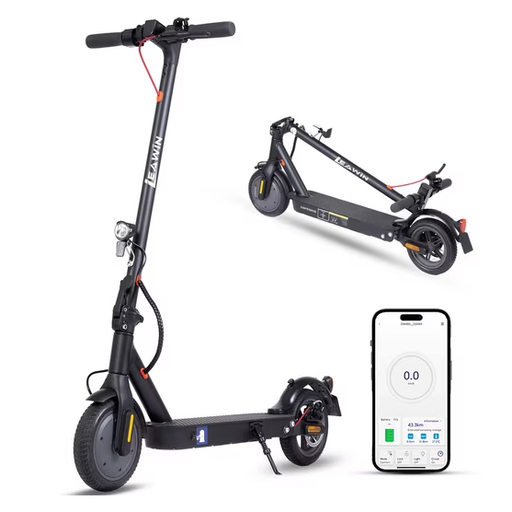
Why this product fits the profile: The stated 20 km/h, foldable design and 12.5 kg weight make it suitable for short city trips and occasional storage.
The product details mention ABE, lighting and a permitted top speed of 20 km/h. Still, check the documents that come with the model before ordering.
350 W motor, 25–40 km stated range, 8.5-inch solid tyres and dual braking system.
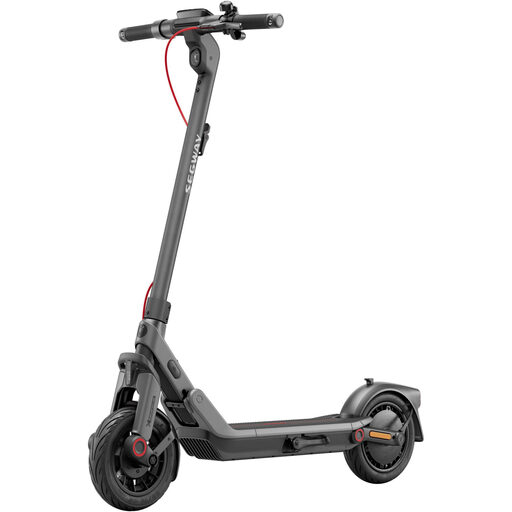
Why this product fits the profile: Commuters get a foldable package weighing 17.9 kg, with front and rear suspension plus digital extras.
The combination of 10-inch tubeless tyres, suspension and documented range figures makes it easier to assess compared to pure marketing claims.
Up to 55 km in Eco mode according to product specs, front and rear suspension, Apple Find My and app connectivity.
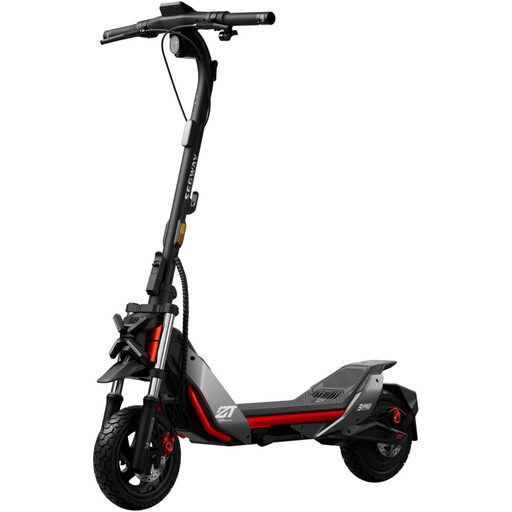
Why this product fits the profile: Larger tyres, dual suspension and a stated range of up to 70 km appeal to riders who frequently cover longer or uneven routes.
The 11-inch all-terrain tyres and suspension address comfort and stability needs without exceeding the permitted top speed of 20 km/h.
500 W motor, 120 kg maximum load, front and rear suspension, app features and integrated indicators.
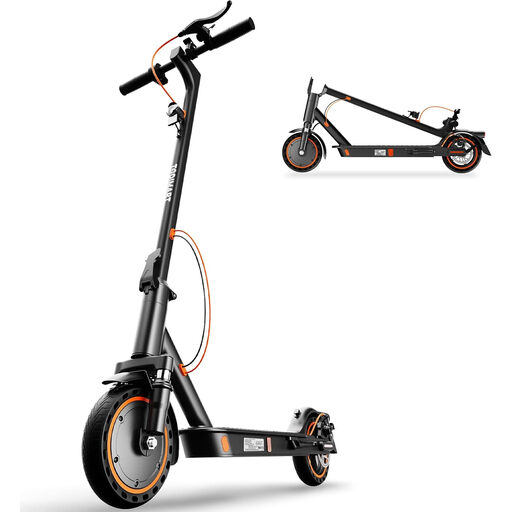
Why this product fits the profile: With a stated net weight of 11.2 kg and a foldable design, this model appeals to users who regularly carry their scooter or store it in tight spaces.
The solid tyres reduce the risk of traditional punctures. However, buyers should consider the more direct ride comfort on poor surfaces.
350 W motor, up to 30 km stated range, dual suspension, IP54 rating and a maximum load of 120 kg.
An E-scooter with an app can show battery level, ride data or locking functions. These features are handy, but they don't replace checking the brakes, lights, tyres and folding mechanism. Even an E-scooter with lighting should have its lights checked before every ride.
We've put together a full, regularly updated list of products that fully meet these strict selection criteria and the safety regulations in force across the EU.
No. The ABE or operating permit relates to the vehicle's approval. For use on public roads, you also need third-party liability insurance and the correct insurance badge.
The lifespan depends on factors such as charge cycles, temperature, storage and usage. Charge the battery with the supplied charger, avoid extreme heat and cold, and store the scooter in a dry place. Check the specific warranty or guarantee terms in the product conditions.
In Germany, use is generally permitted on designated traffic areas, particularly cycle paths. Pavements are normally not intended for E-scooters. Pay attention to local traffic signs and the regulations that apply in your area.