
Lieferung heute & morgen

Qualitätsgarantie

Willkommens-Angebote freischalten: KOSTENLOSE Lieferung | Bis zu 80 % RABATT | Kostenlose 30-Tage-JoyPlus-Testphase
App herunterladen
An espresso cup set should do more than simply match your coffee table. Capacity, material, cleaning requirements and the intended use are all important. There are clear differences between a classic espresso cup with saucer, a double-walled espresso glass and a larger coffee cup set.
Many disappointing purchases happen because product images suggest more than the technical details actually confirm. Check these three common pitfalls before buying:
The term “espresso cup” is not always used consistently. Always check the specific millilitre capacity:
Also check whether the stated capacity refers to the maximum volume or the recommended fill level. For everyday use, leaving a little space below the rim is practical.
Ceramic espresso cups and porcelain espresso cups retain heat comparatively well and create a classic look on a laid table. Porcelain, New Bone China and Fine Bone China can differ in weight, wall thickness and appearance. Gold decoration is attractive, but may make a cup unsuitable for microwave use.
Double-walled espresso glasses made from borosilicate glass insulate the drink by design while keeping its colour and crema visible. According to the relevant product details, the outside of the glass remains more comfortable to hold, but it is not unbreakable. Avoid impacts, scratches and sudden temperature changes.
When choosing, consider the following:
For dishwasher-safe coffee cups, follow the manufacturer’s instructions on temperature and placement in the dishwasher. Some products are dishwasher-safe, but gentle cleaning in the top rack is recommended.
Check the following for every set:
Two cups may be sufficient for a single-person household or a small office. Families, catering businesses and offices often benefit from six or more. A 24-piece New Bone China set such as the ESP CUP HOT DRINK ASR 9CL is better suited to larger households or professional serving situations.
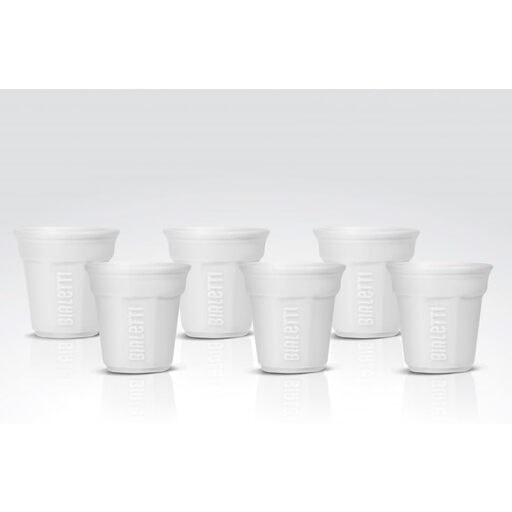
Why this product suits this profile: Six white porcelain cups, each with a 90 ml capacity, provide a matching basic set for the home, guests or the office.
The stated capacity is within the typical range for espresso, avoiding an oversized cup for small servings.
Porcelain, six pieces, handles and dishwasher-safe according to the product details.
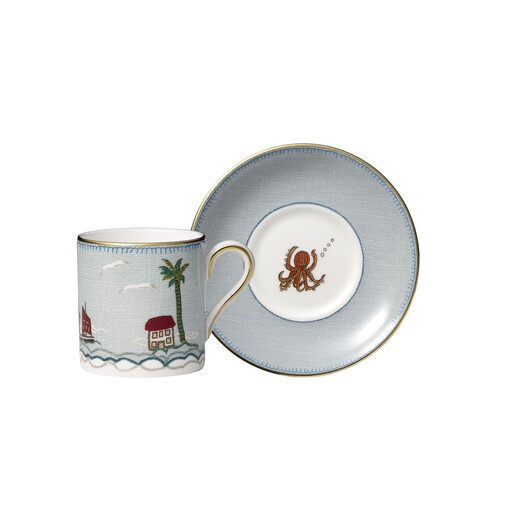
Why this product suits this profile: This set combines a 100 ml capacity with Fine Bone China, illustrative decoration and a matching saucer.
The product details state the capacity and explicitly note that the cup is not suitable for microwave use.
Cup and saucer included, 22-carat gold band according to the product description, and dishwasher-safe.
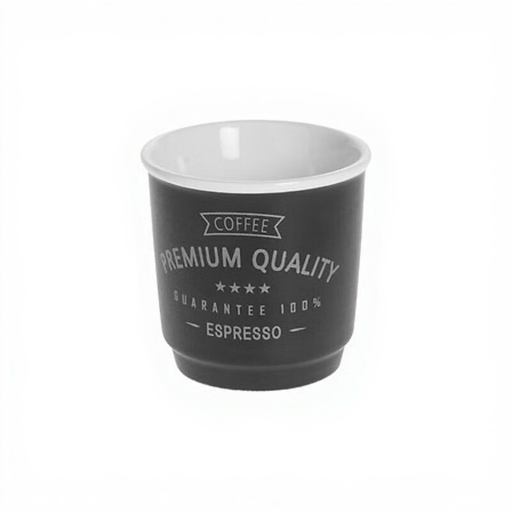
Why this product suits this profile: With 24 pieces and a capacity of 9 cl per cup, this set is designed for larger households, offices or catering applications.
The set size is clearly stated, helping ensure there are enough spare cups for regular serving.
New Bone China, 24 pieces and several colour options within the range.
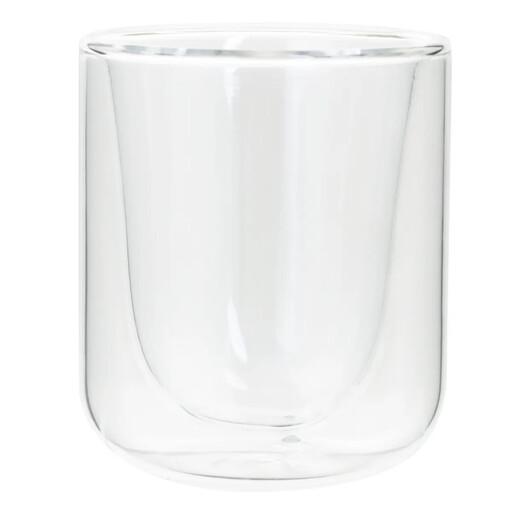
Why this product suits this profile: The transparent borosilicate glass, with an 80 ml capacity, is suitable for espresso and lets you see the crema and the drink’s colour.
The technical details specify the capacity, microwave and dishwasher suitability, as well as warning of possible breakage and temperature-related damage.
Double-walled construction, borosilicate glass, 80 ml capacity, and dishwasher- and microwave-safe according to the product details.
We have put together a complete, regularly updated list of products that fully meet these strict selection criteria and the safety regulations applicable in the EU.
Even a suitable coffee cup set needs to be handled correctly. Wash new cups before using them for the first time. With glass, avoid moving directly between very cold and very hot conditions. Cups with cracks, chips or sharp edges should no longer be used.
For decorated espresso cups with saucers, it is worth checking the care instructions. Gold rims and delicate prints can lose their shine through harsh cleaning products or frequent dishwasher cycles. With double-walled glasses, check for scratches and damage; according to the product information, the Cléa models mentioned above are not designed to be stored nested inside one another.
For espresso, 80 to 100 ml is usually a practical capacity. A 100 ml model may be more suitable for a double espresso or drinks with a little more crema. Cappuccino generally requires considerably more volume, for example 200 to 300 ml.
A saucer catches drips and provides space for a spoon or small accompaniments. It is practical for a laid table and for serving. In the office or where storage space is limited, individual double-walled glasses without saucers may take up less room.
Service life depends on material thickness, workmanship and how the item is handled. Glass can break if knocked, while porcelain and ceramic can also be damaged. Always check dishwasher and microwave approvals against the specific product details. For a choice that remains suitable over the long term, capacity, care instructions and intended use are more important than a general material label.