
Lieferung heute & morgen

Qualitätsgarantie

Willkommens-Angebote freischalten: KOSTENLOSE Lieferung | Bis zu 80 % RABATT | Kostenlose 30-Tage-JoyPlus-Testphase
App herunterladen
Espresso cups need to do more than simply look good. The right capacity, comfortable handling and a material suited to everyday use are all essential. If you focus only on colour or brand name when buying, you may later find that the cup is too large for your espresso machine, becomes very hot on the outside or cannot be stored efficiently.
This buying guide from the Joybuy Product Recommendation Officer explains what German households should consider before buying and which espresso cups, coffee glasses and compact coffee machines suit different usage profiles.
A classic espresso usually contains around 25 to 40 ml. A cup with a capacity of 80 ml or 100 ml provides extra room for crema, a double espresso or small coffee specialities. Larger vessels are more suitable for a lungo or cappuccino.
Many models sold as espresso cups hold 120 ml or more. That is not necessarily wrong, but it does not correspond to the classic small serving. Before buying, you should therefore be clear whether the cup is intended for a single espresso, double espresso, Turkish coffee, dessert portions or use as a small coffee cup.
Double-walled glass espresso cups reduce direct heat contact on the outer wall. This can make them more comfortable to hold. Borosilicate glass is more temperature-resistant than standard glass, but it is still breakable and should not hit hard surfaces.
Ceramic espresso cups and stoneware models are also suitable for everyday use, but they can break or chip if dropped. Damaged cups should no longer be used. Glazed surfaces deserve particular attention when checking the care instructions: not every model is automatically dishwasher- or microwave-safe.
Unusual shapes, gold decorations or hand-finished glazes can be appealing, but they affect how the cup is used. Non-stackable double-walled glasses require more storage space. Cups with a very small base may be less stable on uneven surfaces. With an espresso machine, the distance between the spout and drip tray is also important.
For small kitchens, a combination of compact espresso cups and a machine with a narrow footprint is recommended. If you use a moka pot, the output quantity and number of cups should be matched to the capacity of your tableware.
An espresso cup set containing two to six cups is practical if several people regularly drink coffee. A set of four is also ideal for small households where the cups are used in rotation every day.
Ceramic and stoneware retain heat and have a classic feel. They are generally heavier than glass. A reactive glaze may vary from one piece to another on handmade products. This is a design feature, but does not indicate uniform colours.
Double-walled borosilicate glass showcases the colour and crema of the espresso while reducing heat transfer to the outer surface. It is nevertheless not suitable for use in the oven unless the manufacturer expressly states otherwise. Sudden changes in temperature should be avoided.
Before buying, check the information on dishwasher resistance, microwave suitability and whether hand washing may be required. Models with gold decoration are often not microwave-safe. Glasses should be checked for cracks and chips.
With a capsule machine, it is not the cup but the capsule system that matters. The Nespresso Original machines in this selection are intended exclusively for compatible Original capsules. A moka pot, on the other hand, works with ground coffee and requires a suitable hob or an open flame, as specified by the manufacturer.
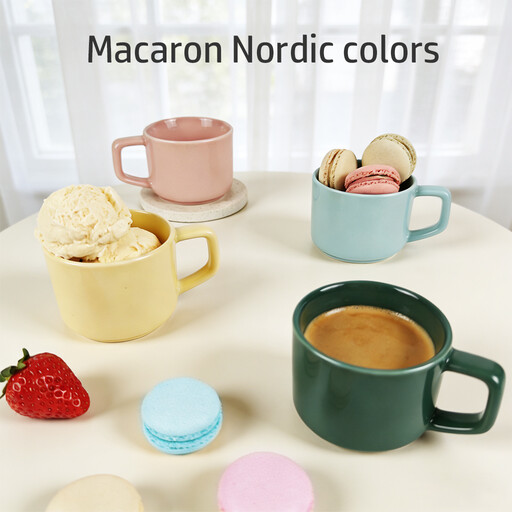
Why this product suits the profile: Each cup in the set holds 120 ml and can be used for espresso, Turkish coffee, desserts or small servings. Its compact shape takes up little cupboard space.
The stated capacity is larger than that of a classic 30-ml espresso cup, making it more versatile. The manufacturer recommends hand washing, helping to avoid incorrect expectations about care.
Four ceramic cups with a capacity of 120 ml and a space-saving design.
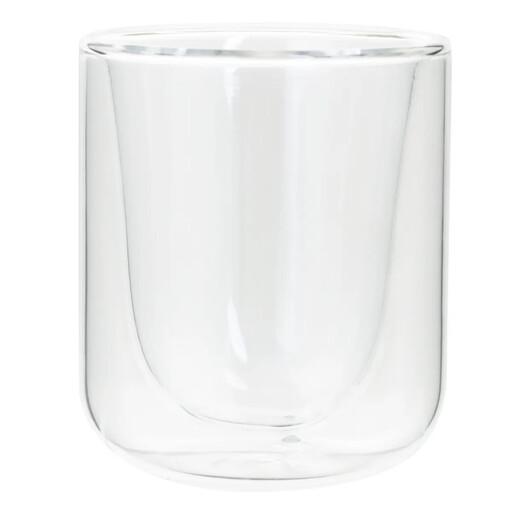
Why this product suits the profile: The transparent, double-walled borosilicate glass holds 80 ml and lets you see the espresso and crema. According to the product information, the cup is dishwasher- and microwave-safe.
The insulation is specifically explained by the double-walled material rather than being confused with a claim of shatter resistance. The manufacturer’s instructions still warn against impacts and thermal shock.
80 ml capacity and double-walled borosilicate glass; dishwasher-safe according to the product data.
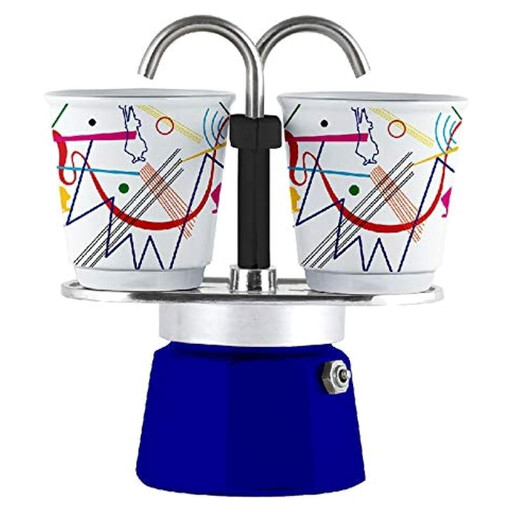
Why this product suits the profile: The mini moka pot is designed for two small servings, making it suitable for households that want to prepare espresso-style coffee on the hob.
The preparation method is clearly distinguished from that of an electric espresso machine. According to the manufacturer, the water level must not be exceeded in order to prevent pressure build-up.
Makes two cups at a time and can be used on an open flame or electric hob, according to the product description.
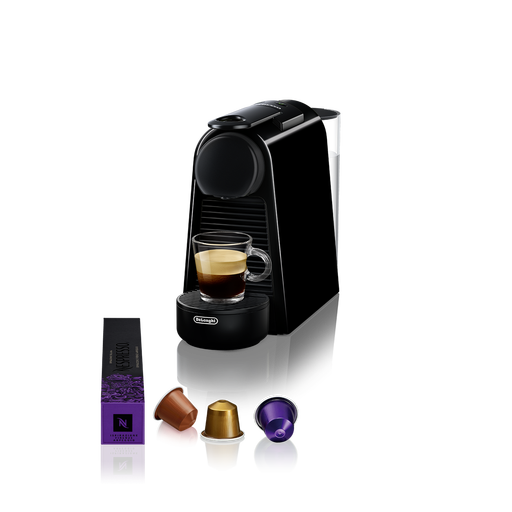
Why this product suits the profile: According to the product data, this compact espresso machine measures 11 × 20,5 × 32,5 cm, has a 0,6-litre water tank and offers two programmable cup sizes.
The dimensions and capsule system are clearly stated. Buyers can check in advance whether the machine will fit on their worktop and whether their existing capsules are compatible.
25-second heating time according to the product information, espresso and lungo buttons, plus automatic switch-off.
We have put together a complete, regularly updated list of products that fully meet these strict selection criteria and the safety regulations applicable in the EU.
Around 60 to 80 ml is sufficient for a classic espresso. Capacities of 100 to 120 ml provide more room for double servings, crema or small desserts. For cappuccino, cappuccino cups from around 150 ml are generally more practical.
That depends on the specific model. According to the product information, some double-walled glasses are dishwasher-safe, while others should be cleaned by hand. Before buying, check the manufacturer’s instructions regarding dishwashers, microwaves and thermal shock.
For a mini moka pot, small cups holding around 30 to 80 ml per serving are suitable. With larger moka models, you should take the volume per output unit into account. Moka pot cups do not have to be made from a particular material; ceramic, stoneware and glass are all possible, depending on your personal preference.