What to look for when buying
Hand grinder for espresso
A good fit if: you usually grind one portion at a time, have limited space and are happy to turn the handle yourself. The manufacturer says the 1Zpresso J-Ultra is designed for espresso.
Trade-off: You need to grind by hand for every portion; a click setting does not guarantee a particular grind size or flavour.
Electric single-dose grinder
A good fit if: you often switch beans and want to weigh each portion beforehand. The manufacturer says the Eureka Mignon Zero is designed for grinding single portions.
Trade-off: Weighing and adding the beans are extra steps before each shot; low retention is not a universal feature of all single-dose grinders.
Electric timer grinder with hopper
A good fit if: you usually use the same beans and want to grind quickly once everything is set up. According to their manufacturers, the Eureka Mignon Specialità and Baratza Sette 270 offer suitable dosing functions.
Trade-off: A timer controls grinding time, not the weight dispensed; switching beans frequently is less straightforward than weighing each portion.
Choosing the right espresso grinder largely comes down to how you adjust the grind, dose your coffee and switch beans. Kaffeemacher and the German Coffee Association describe grind size as an important part of coffee preparation; the percentages in the table show how different priorities compare in this afternoon-break scenario.
| Priority |
What to look for |
Who values it most? |
| Espresso grind adjustment |
An adjustment system specifically designed for espresso; don’t confuse the adjustment range or number of steps with measured grind quality. |
If I want to fine-tune my shot to suit my beans, clear and easy-to-follow adjustments matter. Around 36% of consumers say grind adjustment is their top priority. |
| Quick portion dosing |
Check the dosing method and whether the portafilter holder is suitable; check the amount actually dispensed. |
If I want to keep steps to a minimum during a short break, a set routine matters. Around 29% of consumers say quickly dosing a portion is their top priority. |
| Flexibility to switch beans |
Check whether the model supports single dosing and includes a dosing cup, and find out how to clean the grinding path. |
If I want to enjoy different varieties, I prefer weighing individual portions rather than emptying a hopper. Around 21% of consumers say switching beans is their top priority. |
| Space and manual operation |
Check the dimensions and grounds container, and consider whether you want to grind every portion by hand. |
If I have little space where I grind coffee and don’t want to use a power socket, a hand grinder could work for me. Around 14% of consumers say space and manual operation are their top priorities. |
Joybuy products for espresso and your afternoon break
This selection includes manual and electric grinders that are described in their product details as suitable for espresso. The adjustment options and dosing routine that work for you will depend on the model.
 No image available
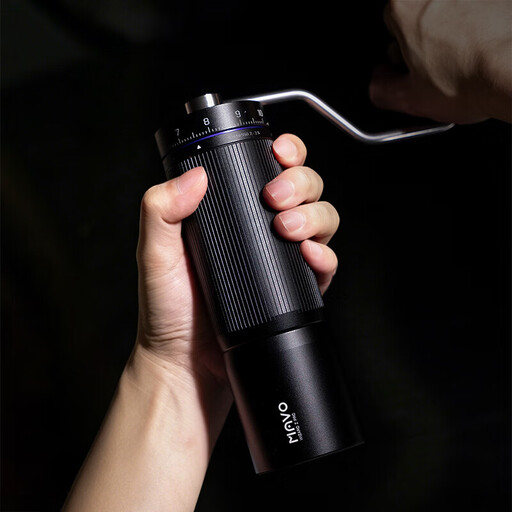
MAVO Wizard stainless steel manual coffee grinder
Described as suitable for espresso and operated by hand; you need to turn the handle for every portion.
View on Joybuy
 No image available
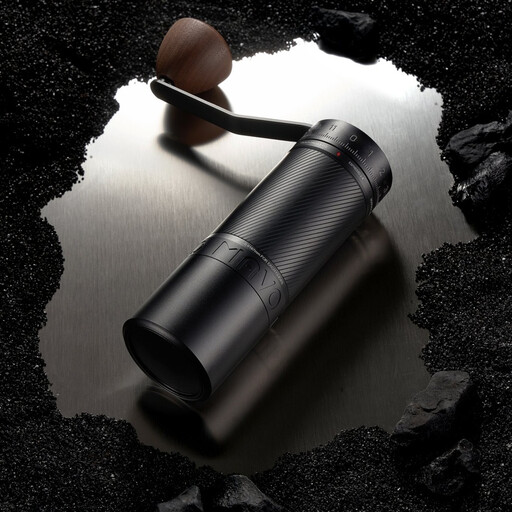
MAVO Phantom PRO manual coffee grinder
Described as a manual coffee grinder for espresso; you grind each portion by hand.
View on Joybuy
 No image available
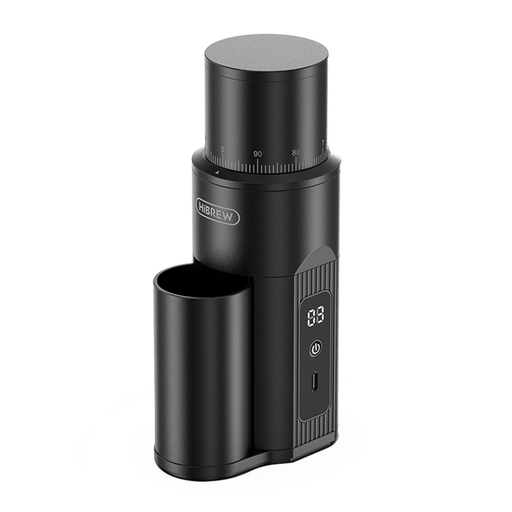
HiBREW G5MINI coffee grinder with 5200 mAh dual-battery system
Described as suitable for espresso; product details list 100 grind settings.
Battery specification: 5200 mAh dual-battery system.
View on Joybuy
 No image available
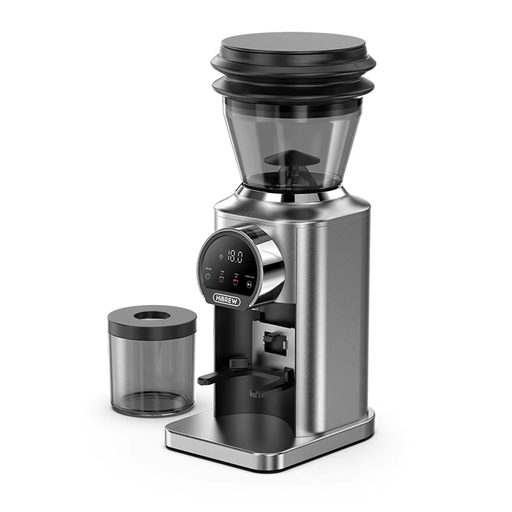
HiBREW G3 Plus coffee grinder
Described as suitable for espresso; product details list a portafilter holder.
31 grind settings and adjustable grinding time.
Burrs: stainless steel with a titanium coating.
View on Joybuy
 No image available
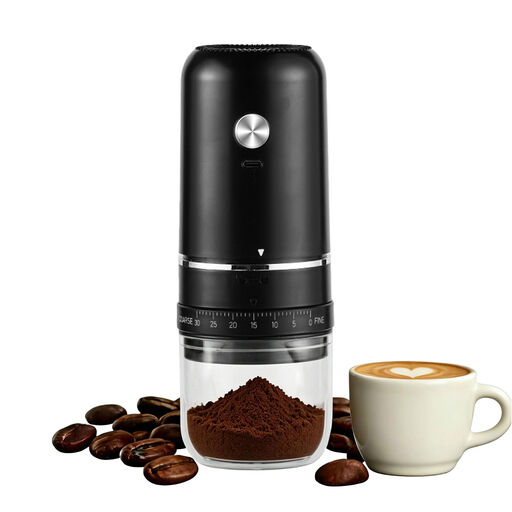
Electric coffee grinder with battery, 30 grind settings and USB-C
According to the product details, it is designed for everything from espresso to cold brew and is suitable for use on the go.
30 adjustable grind settings; charges via USB-C.
View on Joybuy
Frequently asked questions about espresso grinders
How do I find the first grind setting for my espresso?
Start with the espresso range in the instructions, then adjust the grind based on the results of your actual shot. The German Coffee Association explains that grounds that are too fine or too coarse affect extraction in different ways; there is no universal setting that works for every bean and grinder.
How do I clean a 1Zpresso J-Ultra?
Clean the J-Ultra with a brush and blower in line with the manufacturer's instructions, not with water. If you take it apart, also follow the instructions for reassembly and calibration; this guidance does not automatically apply to other grinders.
What are my rights if my espresso grinder is faulty?
If you buy as a consumer from a business seller, you have statutory rights against the seller. According to the European Union, the minimum period is generally two years from the date you receive the goods; a voluntary manufacturer's guarantee does not replace these rights.
Can I cancel an online purchase of an espresso grinder?
For an online purchase from a business, you generally have a 14-day right to cancel from the date of delivery, subject to statutory exceptions. The European Union notes that you may have to pay return costs in certain circumstances, so check the terms before buying.
What should I check when buying an electric grinder for use in Germany?
Check the voltage, plug type, markings, manufacturer's information and the required German-language safety instructions for the specific appliance. The European Commission outlines requirements for electrical equipment covered by the Low Voltage Directive, including equipment operating at 50 to 1,000 V AC; the German Federal Network Agency lists CE marking and documentation as points to check. These general criteria do not confirm that an individual listing has been assessed.


