
Lieferung heute & morgen

Qualitätsgarantie

Willkommens-Angebote freischalten: KOSTENLOSE Lieferung | Bis zu 80 % RABATT | Kostenlose 30-Tage-JoyPlus-Testphase
App herunterladen
The search for the right espresso machine can quickly become overwhelming. Manufacturers advertise high pump pressure, countless features, and elegant designs. However, not every advertised feature actually leads to better coffee. Often, marketing hides costly follow-up investments or high maintenance requirements.
This guide will help you identify the crucial features and avoid common buying traps. We focus on the objective parameters that truly matter for coffee quality and long-term use.
Before you make a decision, you should be aware of two widespread misconceptions that often lead to disappointment.
To find the right espresso machine, you should know your priorities and evaluate three core aspects.
The choice of machine type significantly determines your daily coffee experience.
The heating system is responsible for the correct brewing temperature.
If you enjoy cappuccino or latte macchiato, an espresso machine with a milk frother is essential.
Here are some models tailored to different needs and usage scenarios.
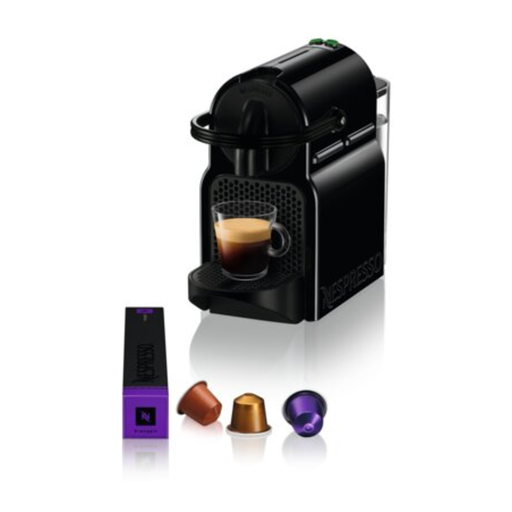
Why This Fits Their Persona: Ideal for users who want a quick and consistently tasting espresso without any hassle. The compact design fits into any kitchen, and operation is intuitive. Perfect for the morning or the home office.
The machine bypasses the high-maintenance trap. Cleaning is limited to emptying the capsule container and occasional descaling. The running costs for capsules are transparent and predictable.
Fast Heat-Up Time: Ready to use in just 25 seconds. Compact Design: Extremely space-saving with a width of 12 cm.
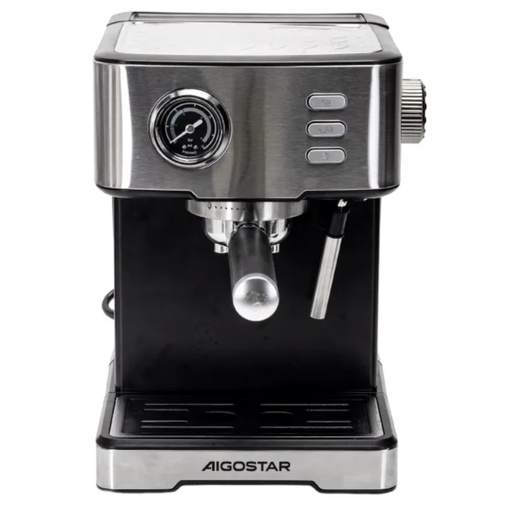
Why This Fits Their Persona: This portafilter machine offers the manual control that hobby baristas appreciate. It allows the use of freshly ground coffee and has a steam wand for practising latte art. A solid entry into the world of traditional espresso preparation.
It avoids the hidden cost trap, as you have a free choice of coffee beans and are not tied to expensive capsule systems. The 20-bar pump pressure provides reserves that ensure stable extraction.
Flexibility: Compatible with ground coffee and capsules. Large Water Tank: The 1.7-litre tank is removable and easy to fill.
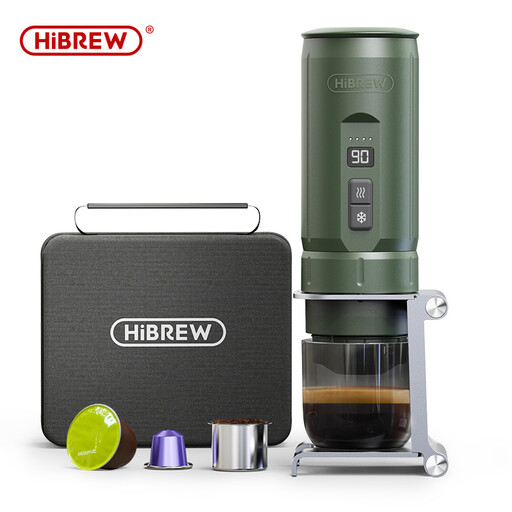
Why This Fits Their Persona: This portable coffee machine is designed for anyone who doesn't want to miss out on a good espresso while on the go. Thanks to its battery operation and compact size, it is the ideal companion for camping, road trips, or use in a truck.
This device is a specialist solution and avoids the typical pitfalls of stationary machines. The focus is on mobility and flexibility, not on overloaded features. The battery is replaceable, which extends the product's lifespan.
3-in-1 Compatibility: Works with ground coffee as well as NS and DG capsules. Adjustable Parameters: Temperature and brew volume are programmable.
We have compiled a complete, up-to-date list of products that fully meet these strict selection criteria and German safety regulations.
1. How often does an espresso machine need to be descaled? The frequency depends on the water hardness in your area and how often you use it. As a rule of thumb: with daily use, about every two to three months. Many modern machines have an automatic descaling indicator that reminds you. Regular descaling is crucial for the machine's lifespan and the taste of the coffee.
2. What pump pressure is really necessary for espresso? Although many machines advertise 15, 19, or 20 Bar, the espresso itself is ideally extracted at about 9 bars of pressure at the brew head. The higher pump pressure serves to stably achieve this target pressure even with a finer grind or firmer tamping. A machine that delivers a constant 9 bars is preferable to a machine with a fluctuating 20 bars.
3. Can I use any coffee bean in a fully automatic machine with a grinder? In principle, yes, but there are limitations. Very oily or caramelized beans (often found in dark roasts) can clog the grinder and cause malfunctions. It is recommended to use medium-roast espresso beans that have a lower oil content. This protects the grinder and ensures an optimal result.