
Lieferung heute & morgen

Qualitätsgarantie

Willkommens-Angebote freischalten: KOSTENLOSE Lieferung | Bis zu 80 % RABATT | Kostenlose 30-Tage-JoyPlus-Testphase
App herunterladen
The search for the right espresso machine can quickly become overwhelming. The market is filled with tempting offers, technical jargon, and marketing promises that often confuse more than they help. Many buyers invest in a machine that fails to meet their expectations after a short time or incurs unexpected running costs. Before you make a decision, it's crucial to understand the most common pitfalls.
To avoid buyer's remorse, you should focus on the fundamental technical features that determine the performance and longevity of your coffee machine.
The choice of machine type lays the foundation for your coffee experience.
The heating system affects the heat-up time and temperature stability during the brewing process.
For some users, specific requirements are crucial. A portable coffee maker with battery operation enables high-quality coffee enjoyment while travelling or camping, regardless of a power outlet. Other models offer high flexibility in the choice of coffee system through multi-capsule adapters.
Here are some recommendations based on objective features that suit different user profiles.
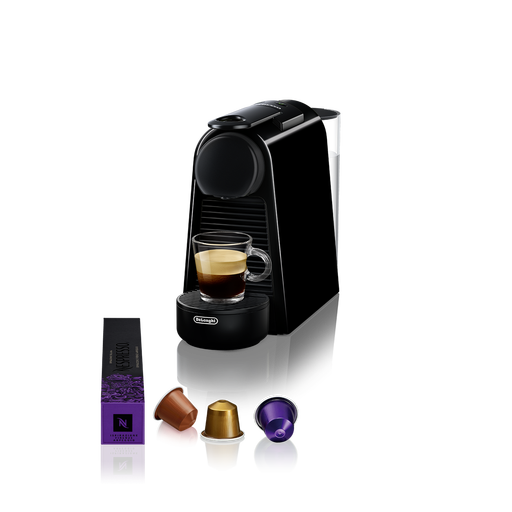
Why it's a great fit: Ideal for users who want a quick and consistent espresso without any fuss. The ultra-compact design fits into any kitchen, and operation is simplified to two buttons for Espresso and Lungo. Perfect for a quick coffee in the morning or in the home office.
This machine is honestly designed for convenience. It doesn't promise barista-level control but reliably delivers at the touch of a button. The running cost of capsules is the deliberate trade-off for maximum convenience and minimal cleaning.
Fast heat-up time: Ready to use in 25 seconds, according to the manufacturer. Compact build: Extremely space-saving with a weight of just 2.3 kg and a slim profile.
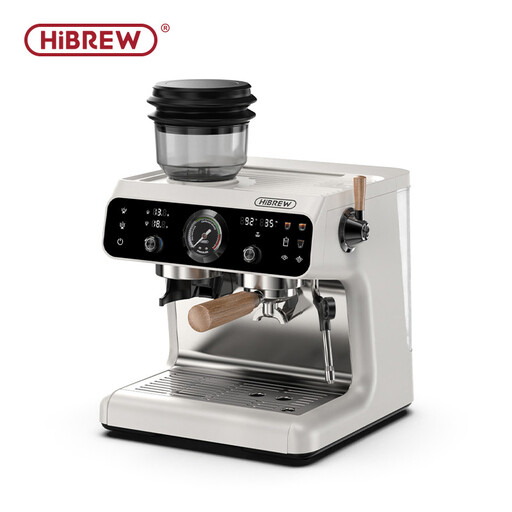
Why it's a great fit: This machine is aimed at users who want to control the entire process from bean to espresso. It combines features typically found in much more expensive machines, providing a solid foundation for the home barista craft.
It avoids the "all-in-one" trap by offering a high-quality integrated grinder with 30 settings and a dual heating system. This isn't a lazy compromise but a thoughtful integration for demanding users.
Dual heating system & PID control: Allows for simultaneous brewing and steaming at a stable temperature. Professional 58mm group head: Ensures even water distribution and extraction, just like commercial-grade machines.
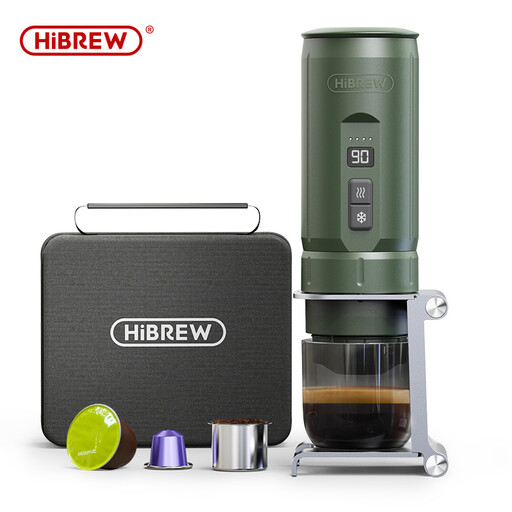
Why it's a great fit: For travellers, campers, and anyone who doesn't want to miss out on a high-quality espresso on the go. Thanks to its replaceable battery and compact design, it's the ideal companion for any adventure.
This device is designed for a clear purpose: portability. The 20-bar pressure is functional here, ensuring intense extraction in a compact system. It doesn't try to replace a stationary machine but solves a specific problem.
Replaceable battery: The 7500 mAh battery is swappable, extending its lifespan and allowing for continuous use. Programmable functions: Temperature and brew time are adjustable, offering exceptional control for a portable device.
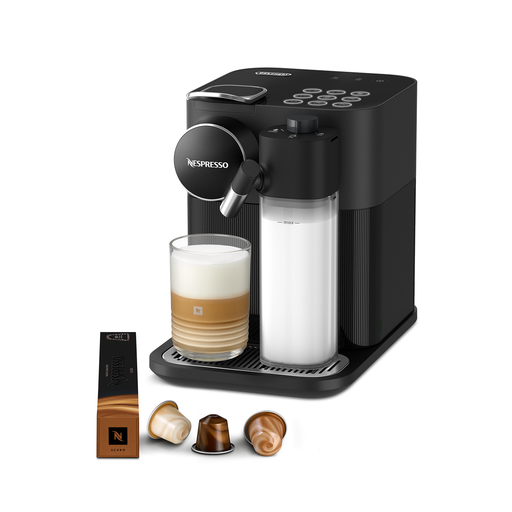
Why it's a great fit: For anyone who loves Cappuccino, Latte Macchiato, or Flat White and wants to prepare them at the touch of a button. The automatic milk system and easy cleaning make it the ideal choice for lovers of milk-based coffee drinks who value convenience.
The value of this machine lies clearly in its one-touch milk system. The capsule cost is justified by the convenience of getting complex milk drinks with consistent quality and no manual effort. The rinsing system for the milk container minimises cleaning.
Automatic milk system: Prepares various milk recipes at the touch of a button. Easy cleaning: The milk container is detachable and dishwasher-safe, and an automatic rinse program cleans the milk nozzle after each use.
Besides the models presented, there are also systems that work with E.S.E. (Easy Serving Espresso) pods. These offer an alternative to capsules and loose coffee grounds and are often a good mix of convenience and coffee variety.
We've compiled a comprehensive, up-to-date list of products that fully meet these strict selection criteria and UK safety regulations.
The frequency of descaling depends on the water hardness in your area and how often you use the machine. As a rule of thumb: every two to three months. Many modern machines have an automatic descaling indicator that reminds you. Regular descaling is crucial for the machine's longevity and for a consistently great taste.
Although many manufacturers advertise 15 or 20 bars, a pressure of around 9 bars at the group head is optimal for preparing espresso. This pressure ensures an even extraction of flavours from the coffee grounds. Higher pressure is not a guarantee of better coffee and can even have negative effects. More important than the maximum pump pressure is the machine's ability to maintain this pressure consistently throughout the entire brewing process.
An espresso machine with a grinder can be a very good investment if the grinder is of high quality. In high-end machines, the grinder and brew group are matched to each other, leading to excellent results. With more affordable models, a separate, high-quality grinder is often the better choice, as it offers more control and more consistent grind quality. Therefore, before buying, check the grinder's specifications, such as the number of grind settings and the type of burrs (conical or flat).