
Lieferung heute & morgen

Qualitätsgarantie

Willkommens-Angebote freischalten: KOSTENLOSE Lieferung | Bis zu 80 % RABATT | Kostenlose 30-Tage-JoyPlus-Testphase
App herunterladen
The search for the right espresso machine can quickly become overwhelming. The market is filled with a multitude of models, all touting technical specs and marketing promises. But not every advertised feature is genuinely useful in daily life, and some supposed advantages turn out to be costly drawbacks. This guide will help you distinguish the important features from the trivial ones and make an informed decision.
Before you invest, you should be aware of the most common pitfalls that lead to dissatisfaction:
To find a machine that meets your needs, you should evaluate three core aspects. These are the primary determinants of taste, ease of use, and ongoing costs.
Choosing the machine type is the most fundamental decision. Each type caters to different demands for control, convenience, and variety.
If you regularly drink cappuccino or latte macchiato, the milk system is a key criterion.
Especially in kitchens with limited counter space, a compact coffee machine is advantageous. Measure the available space on your work surface carefully, and also consider the height under your wall cabinets. Modern machines, like some models from De'Longhi, combine functionality with an appealing design that integrates well into the kitchen's aesthetic.
Here are some recommendations tailored to different user profiles that specifically avoid common pitfalls.
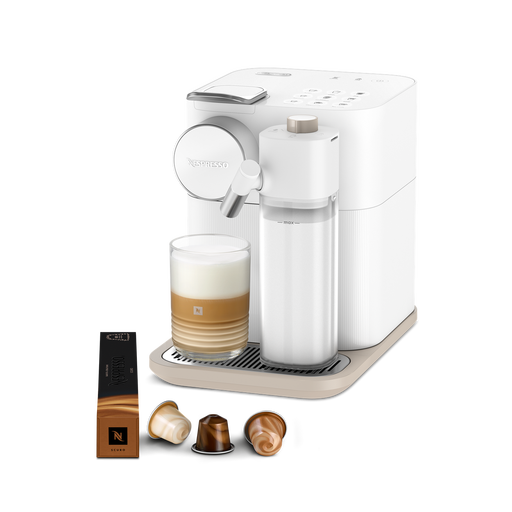
Why this model is a good fit: Ideal for users who want to enjoy a variety of milk-based drinks like cappuccino or latte macchiato without the effort. The one-touch operation makes preparation extremely simple and fast.
The automatic milk system has a rinse function, and the milk container is detachable and dishwasher-safe. This significantly minimises the hidden cleaning effort.
Prepares six different recipes at the touch of a button, including espresso, lungo, cappuccino, and flat white. According to the manufacturer, the heat-up time for coffee is just 18 seconds.
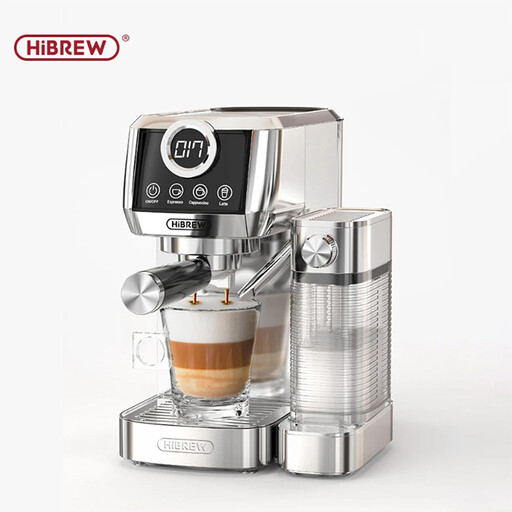
Why this model is a good fit: This portafilter machine offers aspiring beginners the control they desire. You can experiment with ground coffee and practice frothing milk for latte art with the steam wand.
Instead of relying on a closed capsule system, this machine allows the use of any ground coffee. This gives you complete freedom in your choice of coffee and lowers the running costs.
According to the manufacturer, the dual-boiler system allows for simultaneous espresso brewing and milk frothing, which speeds up the process. Additionally, three temperature levels are adjustable.
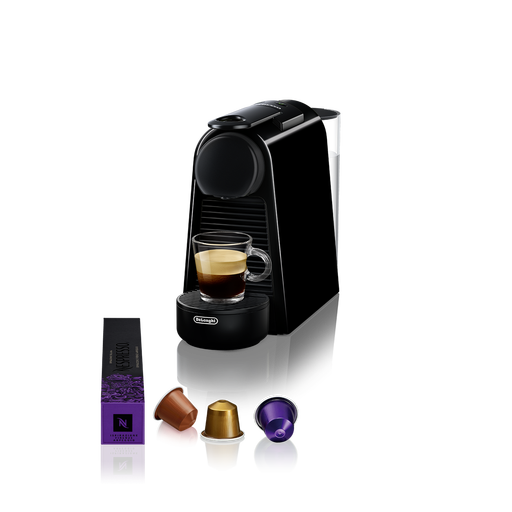
Why this model is a good fit: Perfect for small kitchens or for users who primarily drink espresso and lungo. Its minimalist design and extremely compact dimensions make it a discreet yet powerful solution.
This machine focuses on the essentials: preparing coffee. It forgoes an integrated milk system, which can often be problematic to clean on budget-friendly machines, and instead delivers a solid core function.
Ultra-compact design (approx. 11 cm wide) and a fast 25-second heat-up time. The automatic shut-off after 9 minutes of inactivity also helps save energy.
We have compiled a comprehensive, up-to-date list of products that fully meet our strict selection criteria.
The frequency of descaling depends on the water hardness in your area and how often you use the machine. As a general rule, descale every two to three months. Many modern machines have an automatic descaling indicator to remind you. Using filtered water can reduce the need for descaling and extend the life of the appliance.
Although many manufacturers advertise 15, 19, or even 20 bars, this is the maximum pressure the pump can generate. For the extraction of a balanced espresso, a constant pressure of around 9 bars on the coffee grounds (the "puck") is crucial. A high-quality machine is distinguished not by the highest possible pressure, but by stable and well-regulated pressure.
No, most capsule systems are proprietary. This means that a machine designed for a specific system (e.g., Nespresso Original, Nespresso Vertuo, Dolce Gusto) is only compatible with the corresponding capsules. Always check if the capsules are suitable for your machine model before purchasing to avoid mistakes. However, there are third-party suppliers that offer compatible capsules for popular systems.