
Lieferung heute & morgen

Qualitätsgarantie

Willkommens-Angebote freischalten: KOSTENLOSE Lieferung | Bis zu 80 % RABATT | Kostenlose 30-Tage-JoyPlus-Testphase
App herunterladen
An espresso machine should fit your daily routine, the space you have available, and the level of effort you’re willing to put in. There are significant differences between bean-to-cup machines, portafilter machines, capsule machines and portable espresso makers when it comes to preparation, cleaning and ongoing costs.
Before you buy, it’s worth looking out for typical pitfalls. High bar numbers are often presented as a mark of quality, even though the result also depends on grind size, dosage, temperature and the brew group. What’s more, compact machines often look smaller in product images than they actually are on your worktop. Another cost to consider is consumables: capsules can simplify the purchase, but they add ongoing expenses per drink. With a coffee machine that has a milk frother, you also need to factor in the cleaning effort for the milk system.
Models with 15, 19 or 20 bar pump pressure are widespread in the range. However, this figure doesn’t automatically describe the pressure that actually reaches the coffee puck during extraction. When choosing, you should also look at temperature control, the portafilter, the grinder and the adjustment options.
A portafilter machine with precise dosing requires more practice, but gives you greater control. A bean-to-cup machine grinds, doses and brews automatically. With a capsule machine, the focus is on simple, repeatable operation.
A compact espresso machine can still be tall or deep. What really matters is width, height, depth and the space needed to open the bean hopper or water tank. Under wall units, a top-access tank can be impractical.
The tank size should also match your consumption. A tank of 0.6 or 1.0 litres is better suited to single users or small kitchens. Households with several coffee drinkers will benefit from larger containers, but will need to allow more worktop space.
An integrated milk system makes cappuccino and latte macchiato easier, but it needs regular care. Milk lines, nozzles and containers should be cleaned according to the instruction manual after use. With a manual steam wand, you froth the milk yourself and wipe the nozzle immediately after use.
Look for removable components, automatic rinse programmes and clear descaling instructions. A bean-to-cup machine with a milk system is convenient, but it’s not maintenance-free.
The selection below organises different models by typical usage scenarios. Technical details refer to the respective product data.
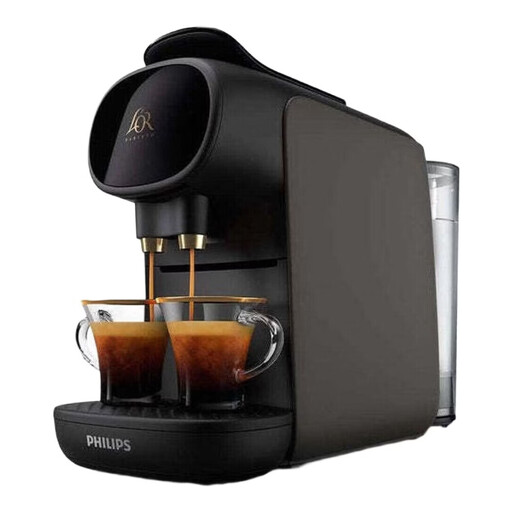
Why this product fits the profile: This capsule machine works at the touch of a button and is suitable for users who want to make espresso or a double shot without grinding and tamping.
The specifications mention a 1.0-litre water reservoir, plus simple descaling and maintenance. This makes it easy to assess the space and care requirements before you buy.
Compatible with L'Or Barista and other specified capsule systems; 1500 W power and one-touch operation.
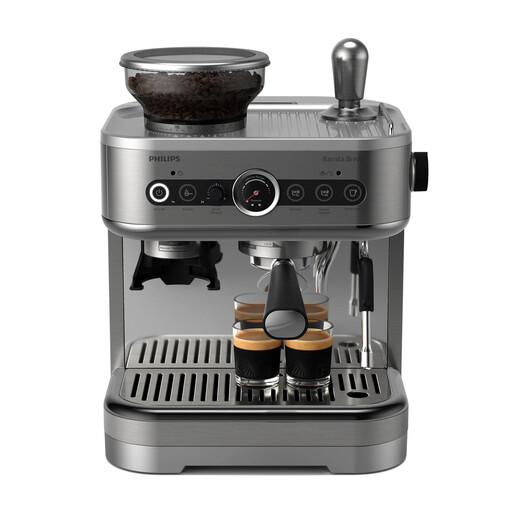
Why this product fits the profile: The semi-automatic design combines an integrated grinder with a portafilter, appealing to users who want more control over the brewing process.
Five grind settings, a 58 mm portafilter and a pressure gauge make the key adjustments transparent, rather than just advertising the pump pressure.
Integrated conical burr grinder, PID temperature control, 2.5-litre water tank and steam wand with a 0.45-litre milk jug.

Why this product fits the profile: This bean-to-cup machine is designed for several drinks a day and offers seven directly selectable recipes plus an automatic milk system.
The manufacturer specifies a removable water tank, a 250 g bean hopper and removable, dishwasher-safe parts. This makes the maintenance effort predictable.
1.8-litre water tank, 13 grind settings, two espresso shots simultaneously and a LatteCrema milk system with automatic cleaning.
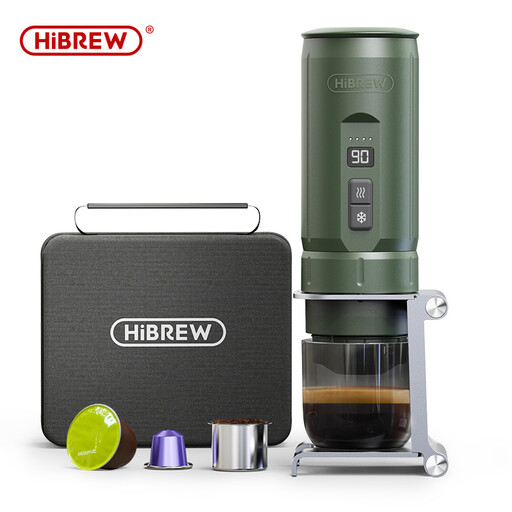
Why this product fits the profile: The portable design with a rechargeable battery is ideal for camping, travel or single servings outside a traditional kitchen.
The product data states a weight of 1.5 kg, a removable battery and marked water levels of 50, 75 and 100 ml. This makes planning easier when you’re on the go.
20 bar pump rating, digital display and programmable temperature and brewing functions; operates with original lithium batteries according to the product description.
We’ve put together a full, regularly updated list of products that fully meet these strict selection criteria and the safety regulations in force in the EU.
For newcomers, capsule machines or bean-to-cup machines with direct selection buttons are usually easier to use. A portafilter machine offers more control, but requires practice with grind size, dosing and milk frothing. What matters is whether convenience or manual control is your priority.
This depends on water hardness, usage and the manufacturer’s instructions. The water tank, drip tray and coffee spout should be cleaned regularly. Milk systems usually need care after every use. Only use suitable cleaning and descaling products as directed in the instruction manual.
With a capsule machine, ongoing costs come from the capsules. With a bean-to-cup machine, the main expenses are beans, water filters and maintenance products. A portafilter machine requires coffee beans or ground coffee; additionally, the grinder and accessories can be relevant. The actual costs depend on the number of drinks, your choice of coffee and the maintenance interval.