
Lieferung heute & morgen

Qualitätsgarantie

Willkommens-Angebote freischalten: KOSTENLOSE Lieferung | Bis zu 80 % RABATT | Kostenlose 30-Tage-JoyPlus-Testphase
App herunterladen
An espresso machine can make espresso, cappuccino and latte macchiato at home. The choice ranges from manual portafilter machines to automatic coffee machines and capsule espresso machines. But technical specifications like “20 bar”, “professional” or “one touch” alone don’t tell you much about whether a machine will suit your daily routine.
If you only focus on pump pressure or the number of drink programmes, you often overlook cleaning, design and ongoing costs. This buyer’s guide shows which criteria really matter in British households, small offices and home barista kitchens.
A 20-bar espresso machine sounds powerful at first. However, this figure usually describes the maximum pump pressure. What really matters for coffee preparation is how steadily the water is pushed through the coffee grounds during extraction. A high maximum value therefore doesn’t automatically guarantee a particular flavour or a lasting crema.
Also look out for:
An espresso machine with a milk frother can come with a manual steam wand or an automatic milk system. The steam wand takes a bit of practice, but you can wipe it down and flush it through straight after use. A bean-to-cup coffee machine with a milk system does more of the work for you, but it also has extra hoses, containers and cleaning programmes.
Before you buy, check whether the milk container, nozzles and hoses are removable. Milk residue shouldn’t be left in the system for long periods. Automatic rinse programmes are handy, but they don’t replace a thorough regular clean.
A machine can look compact in product photos and still need a lot of depth. Measure the space you have, including room to open the water tank. The height under wall cupboards also matters.
For frequent use, these figures are also helpful:
A portafilter machine is ideal for users who want to control grind size, dosage, tamping and milk frothing themselves. It gives you more control, but it takes time and needs regular cleaning.
A bean-to-cup coffee machine grinds beans, doses the coffee and brews at the touch of a button. Models like the De’Longhi Magnifica S have an integrated conical burr grinder, a bean hopper and adjustable coffee settings. This suits households where several drinks are made each day without fuss.
A capsule espresso machine is simple to use and doesn’t need a separate grinder. However, you’re tied to compatible capsules. Check the capsule system, availability and ongoing cost per drink beforehand.
An espresso machine with an integrated grinder saves you having a separate appliance. The number of grind settings, the size of the bean hopper and the option to use pre-ground coffee are all important. A bean-to-cup machine with 13 grind settings, for example, offers finer adjustment than a machine without an adjustable grinder.
A touch display, one-touch recipes and saved user profiles make daily use easier. However, they often increase the number of components and programmes. So the key question is whether you’ll actually use those features regularly.
The wattage describes the electrical power consumption, not just the quality of the espresso. A thermoblock can provide short heat-up times, while separate temperature controls on machines with a steam wand make it easier to switch between brewing and milk frothing.
For the UK, the machine should be designed for 220–240 volts and 50–60 hertz. Also look for an English-language instruction manual, details of the responsible person in the EU and the manufacturer’s safety instructions. Hot surfaces, steam and pressurised water require a stable place to stand and safe operation.
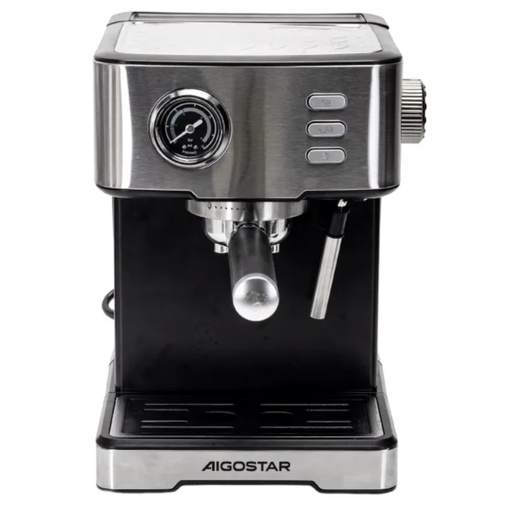
Why this product fits the profile: The machine works with ground coffee and compatible capsules. The 1.7-litre water tank, single and double portions, plus steam and hot water function, cover different entry-level habits.
The transparent, removable tank makes it easy to check the water level and clean.
1400 watts, 20-bar pump, 1.7-litre tank and removable drip tray.

Why this product fits the profile: The integrated conical burr grinder, a touchscreen and an automatic milk frother combine individual settings with guided operation.
The interface guides you through grinding, dosing and milk temperature, rather than just boasting a high pressure figure.
250-gram bean hopper, 2-litre water tank, five recipes and up to eight savable settings.
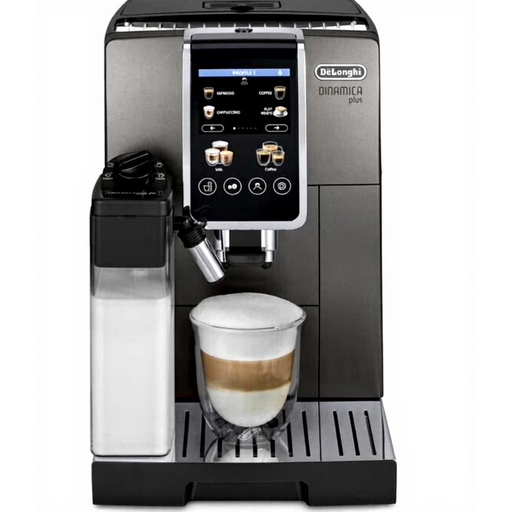
Why this product fits the profile: For families, shared houses or small offices, there are 24 recipes, four user profiles and an automatic LatteCrema milk system.
Automatic rinse and cleaning cycles, plus removable components, address the maintenance demands of a milk system.
300-gram bean hopper, 1.8-litre tank, two-cup function and 24 drink recipes.
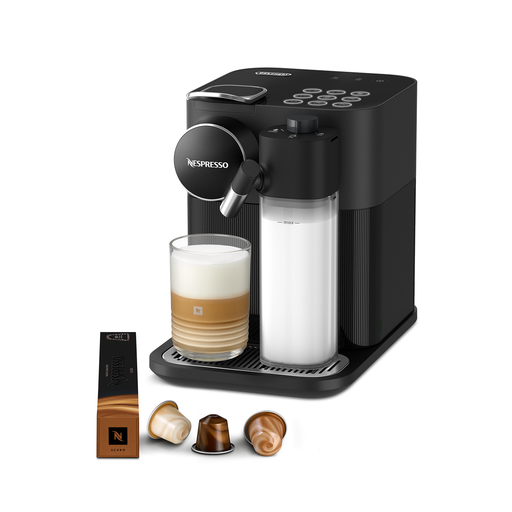
Why this product fits the profile: Ristretto, espresso, lungo, cappuccino, latte macchiato and flat white can be made at the touch of a button with original capsules.
The fixed original capsule system makes compatibility clear; the milk container and components are removable for cleaning.
19-bar rating, 1.3-litre water tank, 0.5-litre milk container and automatic switch-off.
We’ve put together a full, regularly updated list of products that fully meet these strict selection criteria and the safety regulations in force in the EU.
Alongside the purchase price, budget for coffee beans, capsules, milk, water filters and descaling products. With capsule machines, the cost per serving is usually easier to calculate, while beans and ground coffee give you more choice when it comes to sourcing.
For a long service life, simple routines are key:
That depends mainly on the number of drinks, the type of coffee and the milk system. With capsule machines, you have ongoing capsule costs. With portafilter machines and bean-to-cup machines, the bean price, dosage and maintenance products determine the running costs. A larger tank doesn’t automatically reduce your expenses, but it can mean fewer refills.
It’s not possible to give a fixed lifespan for all models. What matters is how often you use it, your water hardness, how well you clean it and the availability of spare parts. Removable brew groups, tanks and drip trays make maintenance easier. Always follow the manufacturer’s instructions and safety notes.
A portafilter machine suits people who want to actively influence the brewing process. A bean-to-cup machine is more practical if you want espresso, cappuccino and other drinks available quickly at the touch of a button. So the decision really comes down to your time, willingness to clean, drink preferences and the space you have available.