
Lieferung heute & morgen

Qualitätsgarantie

Willkommens-Angebote freischalten: KOSTENLOSE Lieferung | Bis zu 80 % RABATT | Kostenlose 30-Tage-JoyPlus-Testphase
App herunterladen
The desire for authentic, barista-quality espresso drives many coffee lovers to purchase their own portafilter machine. But the market is flooded with tempting offers and technical specs that confuse more than they clarify. Often, exaggerated marketing claims lead to a purchase decision you'll later regret. Before you invest, it's crucial to understand the common pitfalls that lead to unsatisfactory results and unnecessary expense.
This guide focuses on objective facts to help you separate the wheat from the chaff. We'll highlight three common flaws that are often only noticed after the purchase:
To make an informed decision, you should focus on a few critical technical features. These are the primary determinants of your coffee's quality and the longevity of your espresso machine.
The heart of every machine is the system that heats the water. There are two basic types, each with clear advantages and disadvantages:
Freshly ground coffee is a prerequisite for good espresso. You have the choice between a portafilter machine with a grinder or the combination of a machine and an external grinder.
Counter space is often limited, especially in modern kitchens. A slim portafilter machine can make all the difference here. Pay attention to the dimensions (width x height x depth) and check if the appliance will fit under your wall cabinets. The material also plays a role: stainless steel housings are generally more durable and easier to maintain than plastic variants and lend a more premium look to the kitchen.
Instead of making a one-size-fits-all recommendation, we have identified models tailored to specific needs and usage habits.
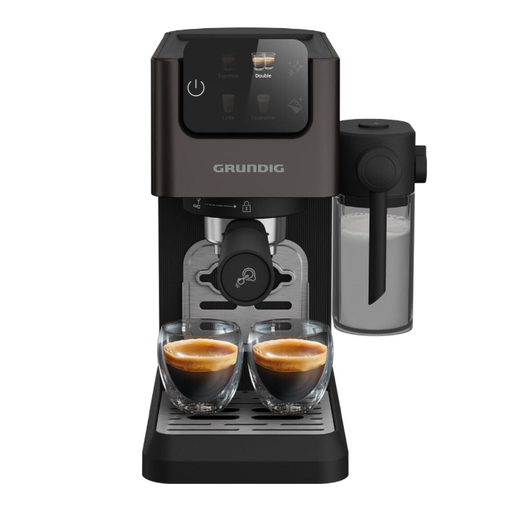
Why This Fits Their Persona: Ideal for users who want to enjoy a cappuccino or latte macchiato at the touch of a button, without having to deal with manual milk frothing. Operation via the touch display is intuitive.
The machine avoids the pitfall of an impractical milk system with an integrated, detachable milk container. This allows for automatic, consistent preparation and is easy to remove for cleaning.
Fully automatic preparation of milk-based drinks; intuitive operation via colour touch display; 20 Bar pump pressure for a powerful extraction.
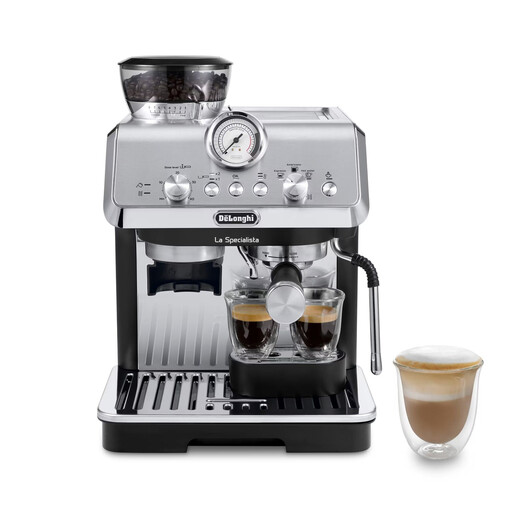
Why This Fits Their Persona: Perfect for anyone who wants to learn the craft of espresso making. This De'Longhi portafilter machine offers full control, an integrated grinder, and a complete barista kit to get started right away.
It addresses the problem of temperature instability with an active temperature control system. The included accessories (tamper, dosing funnel) help achieve consistent results from the start and avoid typical beginner mistakes.
Complete package with an integrated grinder (8 grind settings) and barista kit; My LatteArt steam wand for manual milk frothing; three preset recipes.
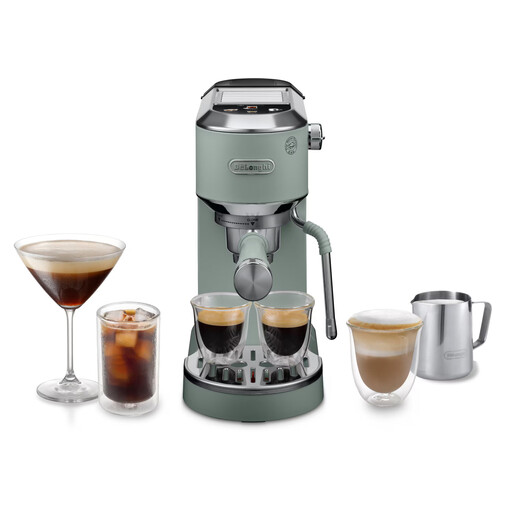
Why This Fits Their Persona: This machine is the solution for anyone with limited space who doesn't want to compromise on style and innovative features. Its slim design and cold brew function make it unique in its class.
Instead of advertising superfluous gimmicks, this machine offers a genuine innovation: a portafilter machine with a cold brew function. According to De'Longhi, the preparation takes under 5 minutes and delivers real added value.
Extremely slim portafilter machine (only 15 cm wide); unique Cold Extraction Technology; high-quality metal housing and a fast thermoblock heating system.
We have compiled a complete, up-to-date list of products that fully meet these strict selection criteria and rigorous safety standards.
The frequency of descaling largely depends on the water hardness in your area and how often you use the machine. As a general guideline, descaling every two to three months is recommended. Many modern devices, like the De'Longhi Dedica Duo, feature an automatic descaling alert to remind you. Using filtered water can significantly reduce the need for descaling and extend the machine's lifespan.
The ideal grind size for espresso is fine and consistent, similar to the texture of fine table salt. A good starting point is to extract a double shot of espresso (approx. 18g of coffee) in about 25–30 seconds. If the extraction time is shorter, grind finer; if it's longer, grind coarser. A good, adjustable grinder is essential for this, which is why a portafilter machine for beginners often benefits from an integrated grinder with multiple settings.
Yes, using pre-ground coffee is technically possible. Many machines come with special double-walled or "pressurised" filter baskets that can produce a crema even with imperfectly ground coffee. However, for the optimal flavour experience, freshly ground coffee is always the better choice. Pre-ground coffee quickly loses its aroma and rarely has the exact grind size needed for your specific machine, which can lead to an under- or over-extracted cup.