
Lieferung heute & morgen

Qualitätsgarantie

Willkommens-Angebote freischalten: KOSTENLOSE Lieferung | Bis zu 80 % RABATT | Kostenlose 30-Tage-JoyPlus-Testphase
App herunterladen
The search for the right espresso machine can quickly become overwhelming. Manufacturers advertise with technical specifications that often confuse more than they help. As your Joybuy Product Recommendation Officer, I'm here to help you navigate the marketing jungle and make an informed decision. We'll focus on the facts that truly matter and expose common buying traps.
Before we dive into the important features, let's look at the three most common pitfalls that lead to disappointment and unnecessary expense.
To make the right choice, focus on these three core aspects. They are the primary determinants of your coffee's quality and the machine's longevity.
Freshly ground coffee is the foundation of any good espresso. The grinder is therefore not an afterthought.
The correct and constant water temperature during the brewing process is critical for extraction.
For lovers of cappuccino or latte macchiato, the milk system is a key criterion.
Here are some recommendations tailored to different needs and priorities.
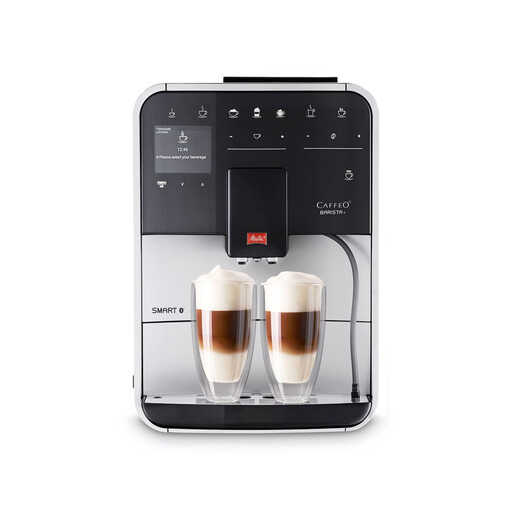
Why it's a great fit: Ideal for busy individuals and families who want a wide variety of coffee specialities at the touch of a button. With 18 recipes, two bean chambers, and customisable user profiles, this Melitta bean-to-cup machine offers maximum convenience.
Addresses "neglected cleaning": The machine features automatic rinsing, cleaning, and descaling programs, plus an easily removable brewing unit, which greatly simplifies hygiene.
Two separate bean hoppers allow for an easy switch between, for example, espresso and café crema beans. The Melitta Connect App offers additional customisation options.
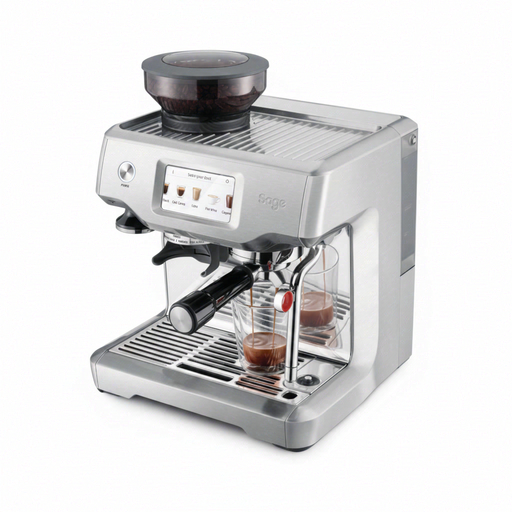
Why it's a great fit: For coffee lovers who want to learn and control the brewing process without sacrificing convenience. The Sage Barista Touch offers guided operation via a touchscreen, combining it with the manual handling of a portafilter.
Sidesteps the "grinder compromise" with an integrated, high-quality conical burr grinder. The ThermoJet heating system is ready in 3 seconds and ensures a stable brewing temperature, without focusing on exaggerated pressure claims.
The automatic milk frothing wand creates perfect microfoam with adjustable temperature and texture, making it easier to get started with latte art. The combination of automatic and manual processes is a powerful learning tool.
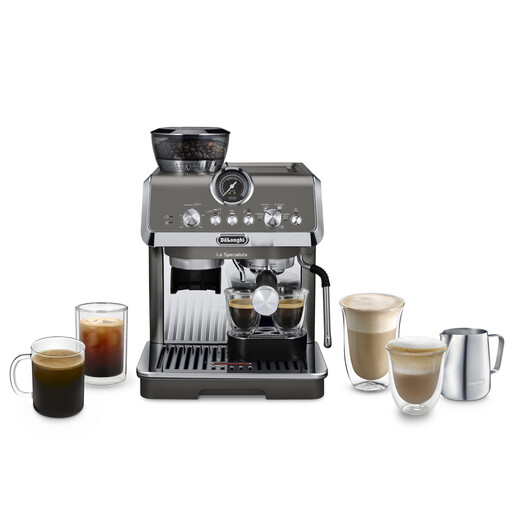
Why it's a great fit: For users who value a tactile feel, premium design, and innovative features. This De'Longhi coffee machine boasts a solid stainless steel body and a complete barista kit for an authentic experience right out of the box.
Instead of marketing gimmicks, this machine focuses on tangible quality: a solid housing, 8 grind settings, and a professional steam wand. The included accessories (tamper, mat) promote a clean and precise workflow from the start.
The innovative Cold Extraction Technology allows for the preparation of a true cold brew in under 5 minutes—a unique selling point in this class.
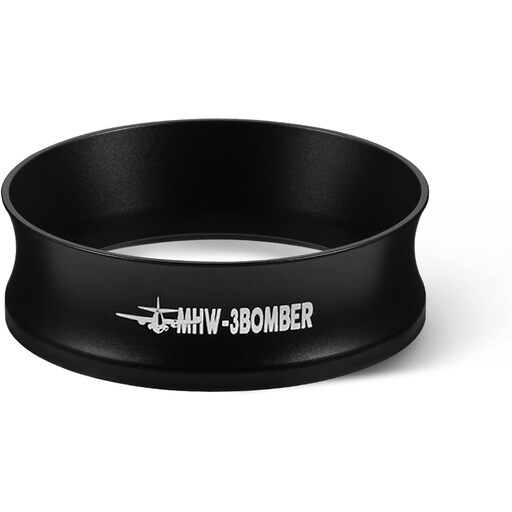
Why this accessory fits: For anyone who already owns a portafilter machine with a 54mm portafilter (e.g., many Sage models) and wants to optimise their workflow. This small tool solves a common problem: coffee grounds spilling during grinding.
This home barista accessory is a targeted investment in a clean and efficient workflow. It prevents waste of coffee grounds and ensures a more precise dose—a detail that is often overlooked but improves consistency.
The magnetic ring attaches securely to the portafilter, preventing coffee grounds from spilling over the edge. This not only saves coffee but also reduces cleaning time.
We've compiled a complete, up-to-date list of products that fully meet these strict selection criteria.
The frequency depends on the water hardness in your area and how often you use it. With hard water and daily use, descaling may be necessary every 1-2 months. Many modern automatic coffee makers and espresso machines have a built-in reminder function that indicates when descaling is required. Using a water filter in the water tank can extend the descaling intervals.
This depends entirely on your priorities.
PID stands for "Proportional-Integral-Derivative" and is an advanced electronic control technique. In an espresso machine, a PID controller ensures that the water temperature in the heating system is kept extremely precise and constant, often to the exact degree. This prevents temperature fluctuations during the brewing process that could negatively affect the taste of the espresso. The result is significantly higher consistency and reproducibility of your coffee drinks.