
Lieferung heute & morgen

Qualitätsgarantie

Willkommens-Angebote freischalten: KOSTENLOSE Lieferung | Bis zu 80 % RABATT | Kostenlose 30-Tage-JoyPlus-Testphase
App herunterladen
An espresso machine should fit your daily routine, but many product descriptions focus on individual figures rather than how you’ll actually use the machine. A high pump pressure doesn’t automatically mean every cup will taste better. A compact design can be practical too, provided the water tank, battery or cleaning requirements suit your needs.
The most common buying mistakes come down to three things:
A portafilter espresso machine uses ground coffee, often with different filter baskets for one or two cups. Some models also accept E.S.E. pods or certain capsules. This gives you more flexibility, but you’ll need to check which filters and adapters are included.
An espresso machine for capsules and ground coffee may suit households where people want different ways to make coffee. With portable machines, capsule compatibility should be stated especially clearly. The OutIn models in this selection are designed for ground coffee and Nespresso Original capsules; they don’t support Dolce Gusto.
Figures such as 15 bar or 20 bar describe the pump pressure and aren’t a measure of quality on their own. These factors also matter when choosing a machine:
A stationary machine with a thermoblock may suit your daily espresso at home. A portable espresso machine with a battery also needs time to charge, so it’s worth checking how many servings you can realistically make per charge.
Before buying, compare the machine’s footprint and height with the space where you plan to put it. According to the product specifications, the De’Longhi Dedica Duo is 14.9 cm wide and has a 1.1-litre water tank. That’s useful in a small kitchen, but you should still check the machine’s full depth and how much clearance it needs.
For a compact espresso machine for travel, weight, tank capacity and power supply are more important. According to the manufacturer, the OutIn Nano weighs around 670 g, holds up to 80 ml of water and charges via USB-C. That’s considerably less than the tank of a stationary machine, so it may not be enough for several people.
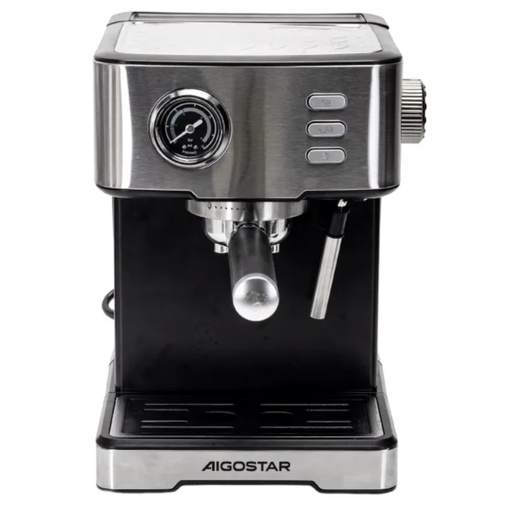
Why it suits this profile: This machine has a 1.7-litre water tank, single and double espresso settings, and works with ground coffee and compatible capsules. That makes it a good choice for getting started at home or in a small office.
The coffee formats it supports and its removable tank are clearly specified. Even so, check the exact capsule standards before buying.
20-bar pump rating, 1.7-litre water tank, steam and hot water functions, and removable drip tray.
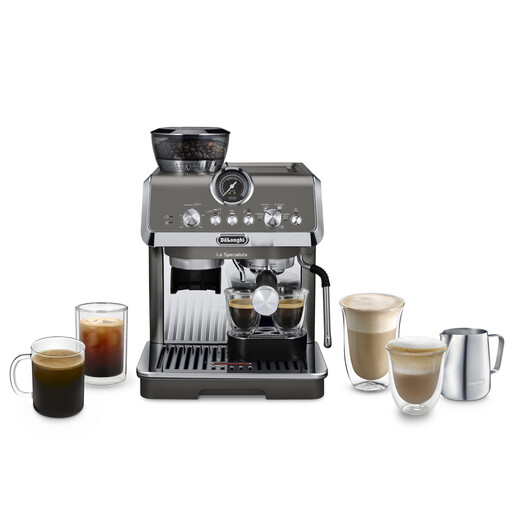
Why it suits this profile: This stationary portafilter espresso machine is for coffee lovers who want more control over the brewing process and regularly make espresso, milk-based drinks or cold brew.
According to the product specifications, the built-in grinder has eight grind settings. This means there’s no need for a separate grinder, although you’ll still need to adjust the setting to suit the beans and how you’re making your coffee.
Built-in grinder, 1.7-litre water tank, 250-g bean hopper, 15-bar pump and MyLatteArt milk frother.
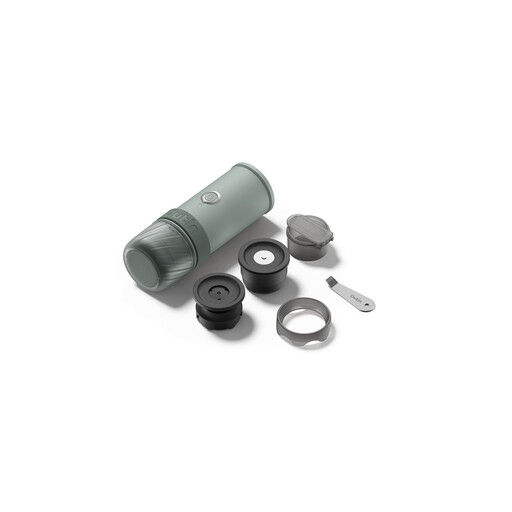
Why it suits this profile: This portable espresso machine is designed for commuting, camping, travelling and use at work. It can heat water itself and charges via USB-C.
The specifications list the tank capacity, charging power, battery capacity and compatible capsules. With a maximum water capacity of 70 ml, it’s designed for individual servings rather than making coffee for a group.
Up to 22 bar pump pressure according to the product specifications, built-in heating, IP67 rating, and up to six servings with cold water per charge according to the manufacturer.
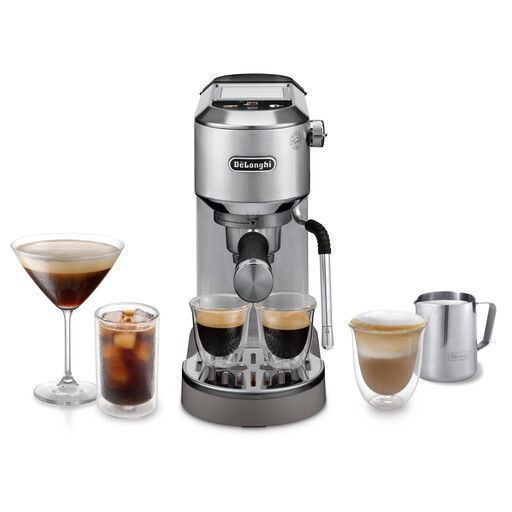
Why it suits this profile: At 14.9 cm wide, this machine is a good fit for limited worktop space. It has espresso, double espresso and cold brew settings, as well as a manual steam wand for making milk-based drinks.
There’s more to the machine than its bar rating: the thermoblock, removable water tank, flexible drip tray and descaling indicator are all clearly listed.
15-bar pump, 1.1-litre water tank, milk frother and a stated heat-up time of around 40 seconds.
We’ve put together a complete, regularly updated list of products that meet these strict selection criteria and fully comply with the safety regulations in force in the EU.
15 bar or 20 bar are pump pressure ratings. The brewing process also depends on temperature, grind size, dose and portafilter design. A higher figure alone doesn’t guarantee a better result.
You’ll need an espresso machine with a milk frother or steam wand. Stationary portafilter machines usually offer more control, while compact models with a basic steam nozzle take up less space. Clean the milk nozzle after every use.
Lifespan depends on how often you use the machine, water quality, descaling and general care. Regular cleaning, not letting the water tank run dry and using suitable accessories can help reduce wear. With a portable espresso machine, it’s also important to look after the battery and USB-C port.