
Lieferung heute & morgen

Qualitätsgarantie

Willkommens-Angebote freischalten: KOSTENLOSE Lieferung | Bis zu 80 % RABATT | Kostenlose 30-Tage-JoyPlus-Testphase
App herunterladen
An espresso machine should work quickly, simply and in a way that suits your daily routine. However, some purchasing decisions can lead to unnecessary costs later on: a compact capsule machine may offer too little choice, a portable espresso machine may take longer to heat up than expected, and a high bar rating is not automatically an indicator of quality.
This buying guide explains the most important technical specifications and shows which models are suited to different usage situations.
Specifications such as 19-bar espresso machine, 20-bar espresso machine or 22-bar espresso machine are technical details to begin with. What matters is how the machine applies pressure during extraction and whether other factors, such as temperature control, coffee quantity and water quality, work together to produce the desired result. A higher figure alone is therefore not a reliable basis for comparison.
“Capsule machine” is not a single, uniform product category. Nespresso Original, Nespresso Vertuo and Dolce Gusto use different capsule systems. A Nespresso Original capsule machine will not automatically accept Vertuo capsules. If you already have capsules at home, check the exact system name before buying.
A small machine may require little worktop space but still have a small water tank or limited capsule container. With a compact espresso machine, width and depth are therefore not the only relevant factors. You should also consider tank capacity, cable length, cup height and cleaning requirements.
Fixed programmes with one-touch operation are standard for capsule machines. Models such as the Nespresso Inissia and Essenza Mini are listed in the product specifications as having 19 bar pump pressure, with dedicated Espresso and Lungo buttons. The actual choice of drinks depends on the capsule system used.
An electric portafilter espresso machine gives you more control over the grind size, coffee quantity and milk froth. According to the manufacturer’s specifications, the IAGREEA machine features a 20-bar system, a pressure gauge, a steam wand and a 1.1-litre water tank. This type of equipment is more suitable for users who want greater control over the brewing process themselves.
Short heating times are convenient for morning use at home or in the office. The Nespresso Inissia, Essenza Mini, Pixie and CitiZ are each specified as having a heating time of around 25 seconds. According to the product specifications, the Vertuo Pop takes approximately 30 seconds.
A self-heating espresso machine for use on the go works differently: the OutIn Nano takes around 200 seconds with cold water and can work considerably faster with preheated water. According to the product specifications, the OutIn Mino reaches approximately 93.3 °C in around 149 seconds. Both models have integrated batteries and USB-C charging.
For an espresso machine used at home, tank capacity and emptying the capsule container are important considerations. The Essenza Mini has a 0.6-litre tank and, according to the specifications, holds up to six used capsules. Depending on the version, the CitiZ has a 0.9- or 1.0-litre tank and a larger capsule container.
A portable coffee machine works with smaller quantities of water. The OutIn Nano is designed for around 50 to 80 ml per preparation and, according to the product specifications, can make up to five espresso servings per battery charge when heating cold water. When using it outdoors, you should also plan for the charge level, cleaning options and a stable surface.
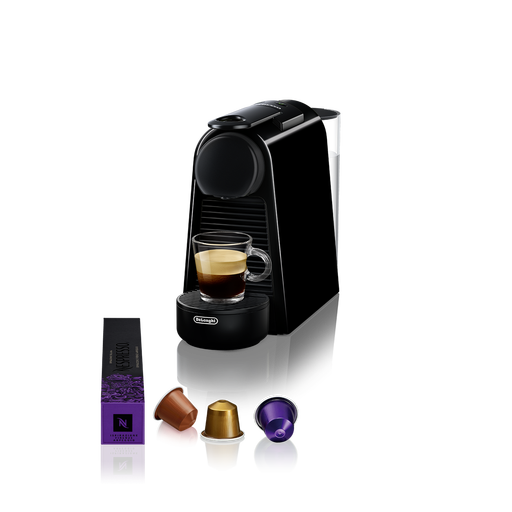
Why this product suits this profile: According to the product specifications, the machine measures just 11 × 20.5 × 32.5 cm, heats up in around 25 seconds and prepares Espresso or Lungo at the touch of a button.
The dimensions and 0.6-litre tank capacity are clearly specified. The Nespresso Original system prevents you from accidentally buying incompatible Vertuo capsules.
Compact housing, two programmable drink sizes, 19 bar pump pressure and automatic switch-off.
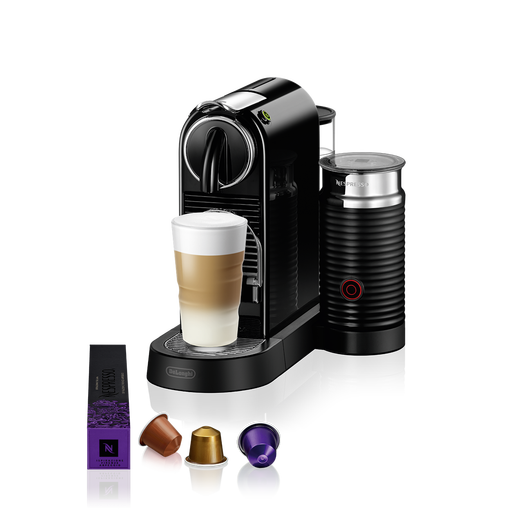
Why this product suits this profile: In addition to Espresso and Lungo, an Aeroccino milk frother is integrated for hot or cold milk drinks. The 1.0-litre tank is suitable for regular use at home.
Compatibility with Nespresso Original capsules is clearly defined. Heating time, tank capacity and the automatic capsule container can all be verified in the product specifications.
19 bar pump pressure, around 25 seconds’ heating time, programmable buttons and integrated Aeroccino.
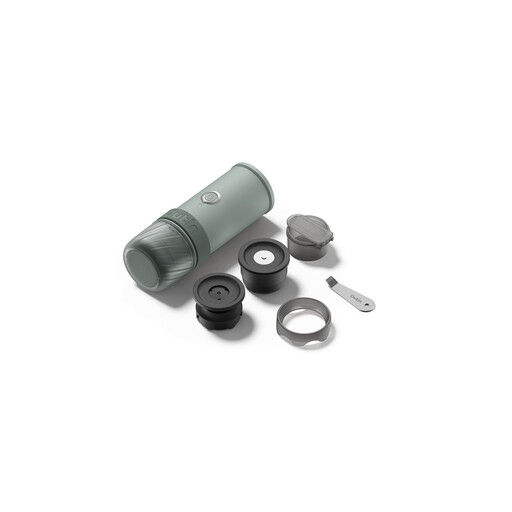
Why this product suits this profile: Its portable, battery-powered design is made for commuters, travelling and camping. The machine supports ground coffee and Nespresso Original capsules.
The specifications for the 70-ml tank, approximately 149-second heating time, USB-C charging and up to six servings with cold water help you plan how it can realistically be used.
Up to 22 bar pump pressure, PID temperature control, IP67 rating and an integrated battery with three 3,000-mAh cells.

Why this product suits this profile: This electric espresso machine is designed for households that want to adjust the use of ground coffee, single or double shots and milk froth themselves.
The integrated pressure gauge lets you monitor the extraction pressure. The removable 1.1-litre tank and detachable components make regular cleaning easier.
Steam wand, cup warmer, single and double shots, plus a drip tray design suitable for cups up to around 12.9 cm, according to the product description.
We have put together a complete, regularly updated list of products that fully meet these strict selection criteria and the safety regulations applicable in the EU.
Its lifespan depends on how often it is used, water hardness, cleaning and descaling. The water tank, drip tray and capsule container should be cleaned regularly. With a machine featuring a steam wand, it is also important to remove milk residue immediately after use. Always follow the care instructions provided by the relevant manufacturer.
Consumption depends on the machine’s power, heating time, standby mode and daily usage. Many capsule machines have an automatic switch-off function, for example after several minutes without activity. A battery-powered espresso machine is charged via USB-C; with the OutIn Nano, using cold or preheated water affects the number of possible servings per charge.
For travelling, commuting or camping, a portable espresso machine with a battery and self-heating function is practical when no power socket is available. Before buying, check the weight, water quantity, heating time, charging requirements and capsule compatibility. When travelling by aeroplane, you should also observe the applicable regulations for lithium batteries; such a device must not be operated during the flight.