
Lieferung heute & morgen

Qualitätsgarantie

Willkommens-Angebote freischalten: KOSTENLOSE Lieferung | Bis zu 80 % RABATT | Kostenlose 30-Tage-JoyPlus-Testphase
App herunterladen
An espresso machine can quickly prepare a cup in the morning or become a versatile appliance for espresso, cappuccino and latte macchiato. However, it is worth taking a close look at the technical specifications before you buy. High bar figures, shiny metal housings and terms such as “barista” alone reveal little about whether a machine will suit your everyday routine.
This buying guide from the Joybuy Product Recommendation Officer explains which differences between portafilter machines, bean-to-cup coffee machines, capsule machines and portable models really matter.
A 20-bar espresso machine sounds convincing at first. In most cases, this figure refers to the maximum possible pump pressure, not necessarily the pressure applied to the coffee puck throughout the extraction. Models with 15 or 19 bar can also be designed for typical domestic use.
More important than the highest figure are:
An espresso machine with a milk frother may use a manual steam wand, an integrated milk container or a separate frothing system. An espresso machine with a steam wand gives you more control, but requires practice and cleaning after every use. Automatic milk systems are more convenient, but include additional tubes and containers that need to be rinsed regularly.
So do not just look for the term “cappuccino machine”. Check the actual design and cleaning process.
A compact espresso machine can fit on smaller kitchen worktops. Even so, check the space it requires, including clearance from the wall, as well as the height available beneath wall cabinets. A small water tank will need refilling more often. With a bean-to-cup coffee machine, you also need to allow for the bean hopper and removable brewing unit.
A portafilter machine is suitable for buyers who want to control the choice of beans, grind size, dosage and milk froth themselves. You will usually need a separate coffee grinder, unless you choose a model with an integrated grinder.
A bean-to-cup coffee machine handles grinding, dosing and brewing largely automatically. Depending on the features, you can select several drinks at the touch of a button. According to the product specifications, models such as the De’Longhi Magnifica Start feature a conical burr grinder, 13 grind settings and a bean hopper with a capacity of 250 g.
A capsule machine depends on a specific capsule size or capsule system. Before buying, check whether it accepts only original capsules or also compatible systems. According to the product description, the Nespresso Essenza Mini EN85.B is designed for original Nespresso capsules. According to the supplier’s specifications, the Philips L’Or Barista Sublime LM9012/23 supports L’Or Barista capsules and other compatible systems.
For one person, a tank with a capacity of 0.6 to 1.2 litres may be sufficient. In a household with several people or in an office, a larger tank reduces the number of refills. Frequent users should also look for a sufficiently large bean hopper and a removable drip tray.
Bear in mind that the actual capacity depends on the drink volume, rinsing cycles and milk system. A large tank does not automatically mean less maintenance.
Removable components make it easier to rinse the water tank, portafilter, drip tray and milk container. With bean-to-cup machines, the brewing unit should be accessible. Milk tubes generally need cleaning immediately after preparation.
Always follow the instructions in the relevant user manual. Place the machine on a stable, heat-resistant surface, use fresh drinking water and unplug it before cleaning. Steam, the brewing unit and the spout may be hot. Appliances rated at 220–240 volts require a suitable earthed socket.
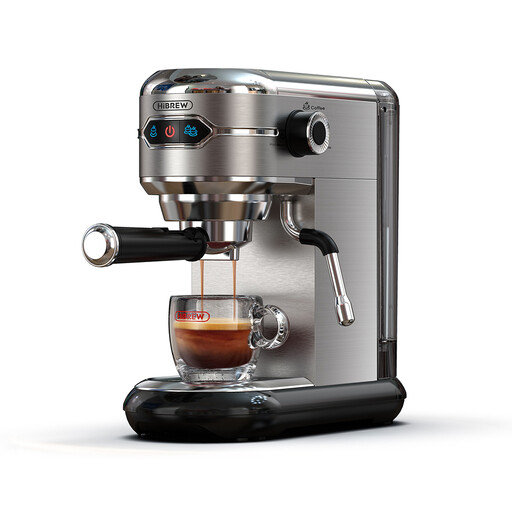
Why this product suits this profile: This model works with ground coffee or ESE pods and offers a relatively straightforward feature set for anyone starting out with semi-automatic preparation.
Alongside the 19 bar rating, the specifications state that it has precise temperature control, a removable 1.1-litre tank and a removable drip tray.
1450 W power, single and double shots, automatic switch-off, and support for ground coffee and ESE pods.
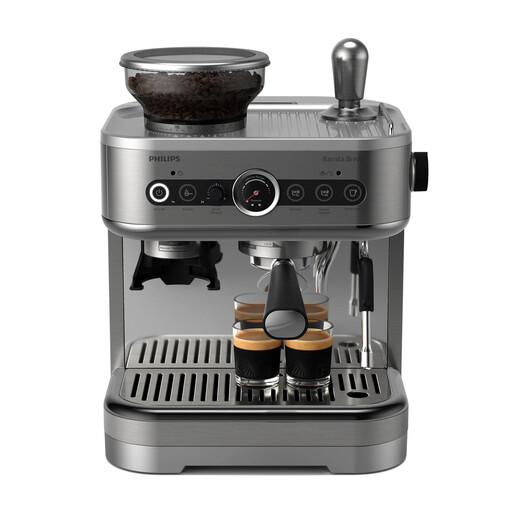
Why this product suits this profile: The combination of an integrated grinder, PID temperature control and pressure gauge appeals to users who want to fine-tune the brewing process with confidence.
The product data provides specific figures: 15 bar, five grind settings, three temperature settings and a 58-mm portafilter.
Integrated conical burr grinder, 2.5-litre water tank, milk jug, TFT display and dishwasher-safe removable parts, according to the product description.
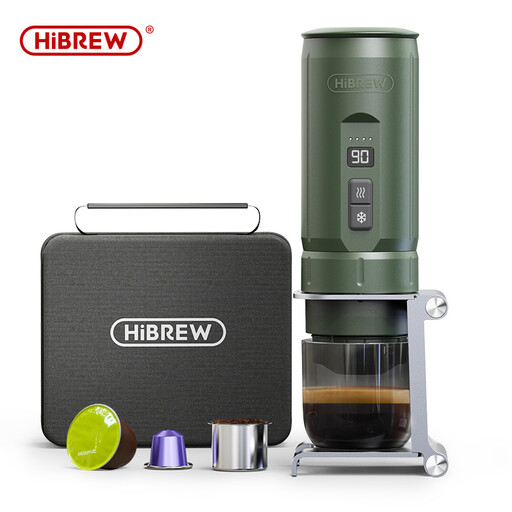
Why this product suits this profile: This portable appliance is designed for people who want to make espresso while camping, travelling or away from a permanent kitchen.
The 50, 75 and 100 ml markings help with portion control. According to the product description, the display shows the temperature and brewing time.
7500-mAh battery, replaceable battery design, 20 bar pump pressure and a weight of approximately 1.5 kg, according to the specifications.
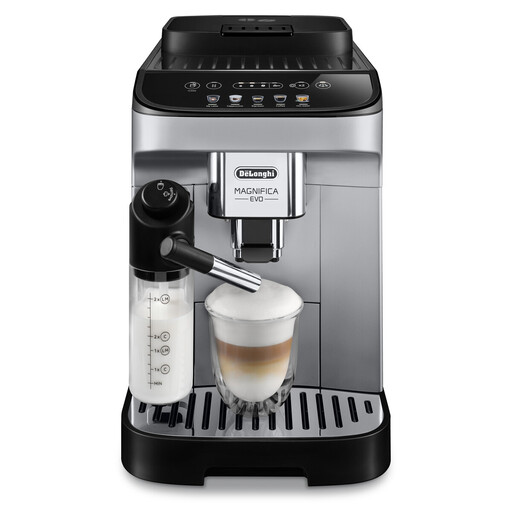
Why this product suits this profile: If you want to prepare several drinks every day with just a few steps, this bean-to-cup machine offers direct drink selection.
According to the supplier’s specifications, the milk system runs an automatic cleaning cycle after use. The removable parts are designed for easy cleaning.
Seven one-touch recipes, 1.8-litre water tank, 250-g bean hopper, 13 grind settings and the ability to prepare two espressos at the same time.
We have put together a complete, regularly updated list of products that fully meet these strict selection criteria and the safety regulations applicable in the EU.
For beginners, a machine with straightforward controls, a removable water tank and an easily accessible drip tray is a sensible choice. A capsule machine reduces the amount of work involved, while a portafilter machine gives you more control over dosage and grind size. If you want to use beans directly in the machine, choose an automatic coffee machine with an integrated grinder.
After every use, remove any coffee residue, wipe the steam wand immediately and flush it briefly. Clean the water tank and drip tray regularly, depending on how often you use the machine. You will also need to descale it according to the water hardness and the manufacturer’s instructions. With a bean-to-cup machine, you will also need to clean the brewing unit and milk system.
No. The maximum pump rating alone does not determine the result. Models with 15, 19 or 20 bar can use different technical designs. Also check the temperature control, filter size, controls, milk system, availability of spare parts and cleaning requirements. This will help you choose a machine that genuinely suits your needs.