First, decide whether you’d like to steam the milk yourself, use an automatic milk system or make room for a separate frother. A slim portafilter machine may have a steam wand built in, while a capsule machine needs a second appliance for warm milk. A bean-to-cup machine takes care of more of the preparation, but needs space on your worktop and regular cleaning. Add the honey to your glass, not to the water tank or milk system: a Nespresso recipe shows how to make the drink with honey in the glass.
Which type of machine is right for you?
If you want to prepare the milk yourself
If you want to pull an espresso and prepare warm milk just the way you like it, check whether there’s room for a steam wand and milk jug, as well as the machine and space to operate it. De’Longhi and Krups describe manual milk preparation for the portafilter models mentioned here.
If you’re short on worktop space
If worktop space is limited, measure the complete setup, including accessories and room to operate the machine, rather than just its width. Nespresso lists the Essenza Mini as 8.4 cm wide; a separate milk frother will need extra space.
If you want to cut down on preparation steps
Compare the effort involved in preparing the coffee and milk separately. A capsule machine may need a separate frother, while some portafilter machines offer automatic milk texturing and bean-to-cup machines have an integrated milk system. These systems also need cleaning after use.
What should you look for when buying?
First, decide how you want to prepare the warm milk. Then compare the space needed for the complete setup and how much cleaning the specific model requires.
The figures relate to consumers who want to make honey lattes in a holiday home; each person identifies their main purchasing priority.
| Priority |
What to check when buying |
Who it matters most to |
| Preparing warm milk |
Check whether the specific model has a steam wand, automatic milk texturing or requires a separate frother, and whether the necessary accessories are included. |
If I want to heat or froth the milk myself, the preparation method is key; around 33% of consumers are likely to put this first. |
| Space for the complete setup |
Measure the space and height available where you plan to put the machine, allowing for accessories and room to operate it. De’Longhi lists the Dedica Style EC685.M EX:4 as 149 mm wide; Nespresso lists the Essenza Mini as 8.4 cm wide. |
If there’s little free worktop space in my holiday home kitchen, I want to fit the machine and accessories together; around 27% of consumers are likely to focus mainly on the space required. |
| Fewer preparation steps |
Distinguish between simply making an espresso and preparing a complete milk drink, and check the model’s drink selection. Philips lists espresso and cappuccino, among other drinks, for the EP2331/10. |
If I want to keep things simple while I’m on holiday, I check which steps the machine actually takes care of; around 20% of consumers are likely to prioritise ease of use. |
| Cleaning and ongoing requirements |
Check the cleaning instructions and what coffee and milk accessories you’ll need. Philips recommends rinsing LatteGo after every use or cleaning its two parts in the dishwasher; the Essenza Mini is designed for Nespresso Original capsules. |
If I want to spend little time on cleaning or buying extra supplies after making a drink, I consider the cleaning routine and coffee format; around 20% of consumers are likely to prioritise these needs. |
Common misconceptions
-
Measuring only the width of the machine
A capsule machine makes espresso, but you may need a separate appliance for warm milk. You’ll also need room to prepare the milk if you’re using a steam wand.
Before choosing a model, allow for the machine, accessories and space to operate it all together.
A separate frother or milk jug takes up extra space.
-
Assuming an automatic milk system is maintenance-free
Automatic systems still need cleaning. Philips recommends rinsing LatteGo after every use or cleaning its two parts in the dishwasher.
Read the cleaning instructions for the specific model before weighing up its convenience against the care it needs.
-
Thinking a capsule machine is a complete latte solution
The Essenza Mini is designed for Nespresso Original capsules. For warm or frothed milk, the setup described needs a separate appliance, such as an Aeroccino 3.
Before buying, check capsule compatibility and whether a milk frother is included in the package you’ve chosen.
With this setup, the frother and compatible capsules each need their own space or will need to be bought separately.
Key brands at a glance
De’Longhi
The Dedica Style EC685.M EX:4 is a slim portafilter machine with a manual cappuccino system.
- De’Longhi lists this model as 149 mm wide and compatible with E.S.E. pods.
- Milk preparation and cleaning are manual; the machine’s width doesn’t tell you how much space the complete setup needs.
Nespresso
The Essenza Mini C Pure White makes espresso with Nespresso Original capsules; warm milk can be prepared with a separate appliance, such as the Aeroccino 3.
- Nespresso lists the machine as 8.4 cm wide, with programmable espresso and lungo volumes.
- The Essenza Mini doesn’t froth milk itself; a separate frother takes up extra space.
Sage
The Bambino Plus SES500BSS4EEU1 is a portafilter machine with automatic milk texturing.
- Sage lists three settings each for milk temperature and texture.
- You’ll still need to prepare the coffee and operate the portafilter; these details come from the manufacturer.
Krups
The Virtuoso+ XP444C10 is a portafilter machine with a steam wand for frothing or heating milk.
- Krups lists filters for ground coffee and E.S.E. pods among the items included.
- There’s no built-in grinder, and milk preparation with the steam wand is manual.
Philips
The LatteGo 2300 EP2331/10 is a bean-to-cup machine with a grinder and milk system.
- Philips lists espresso and cappuccino among the drinks available on this model, which has a footprint of 246 × 433 mm.
- The milk system needs cleaning after use; Philips recommends rinsing LatteGo or cleaning its two parts in the dishwasher.
Joybuy products for espresso and milk drinks
This selection includes machines for espresso and milk drinks, from manual preparation to integrated milk systems.
 No image available
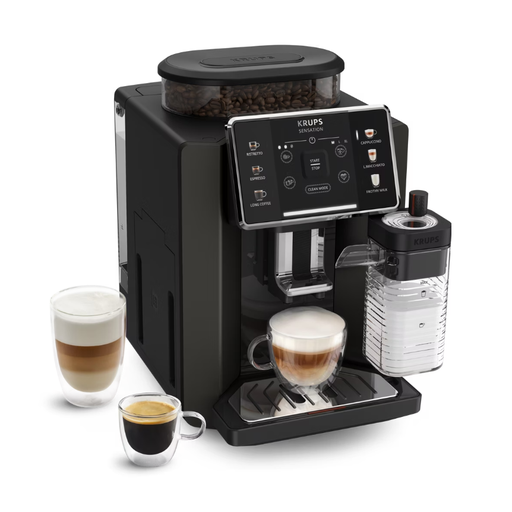
Krups Sensation Milk EA9129 bean-to-cup coffee machine
For anyone who wants to make espresso and milk drinks with a bean-to-cup machine.
Joybuy
 No image available
IAGREEA espresso machine, 20 Bar
For anyone who wants to make espresso and frothed milk with one machine, preparing the milk manually.
The product name specifies 20 Bar and a 50 Oz water tank.
Joybuy
 No image available
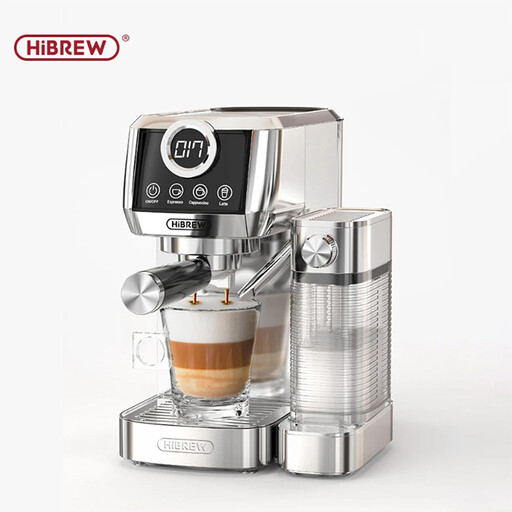
HiBREW H13A, 3-in-1 espresso machine
For anyone looking for espresso and automatic milk frothing in one machine.
The product name describes this model as a 20Bar machine.
Joybuy
 No image available
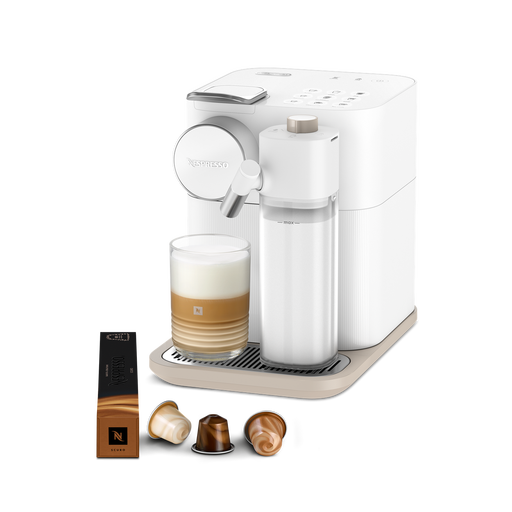
Nespresso Gran Lattissima White, EN640.W
For anyone who prefers an Original capsule machine with an integrated milk system.
Joybuy
 No image available
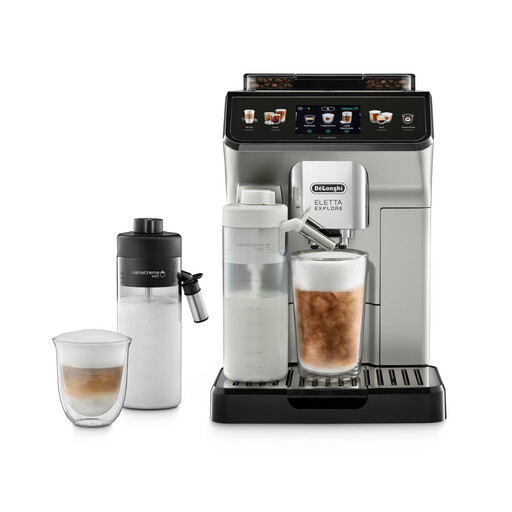
De’Longhi Eletta Explore ECAM450.55.S bean-to-cup coffee machine
For anyone who wants to make espresso and milk drinks with a bean-to-cup machine.
Joybuy
Frequently asked questions
Where should I add the honey for a honey latte?
Add the honey to your glass, then pour the espresso over it. A Nespresso recipe goes on to describe adding frothed milk; it doesn’t recommend putting honey in the water tank or milk system.
Do I need a milk frother for the Nespresso Essenza Mini?
You’ll need an additional way to prepare warm or frothed milk. Nespresso describes the Aeroccino 3 as a separate appliance for heating and frothing milk.
How do I care for a LatteGo milk system?
Philips recommends rinsing LatteGo under running water after every use or cleaning its two parts in the dishwasher. Also follow the cleaning instructions for the model you buy.
Who is responsible if there’s a fault: the retailer or the manufacturer?
The seller is responsible for your statutory rights. The Verbraucherzentrale explains that retailers are generally responsible for goods being free from defects at the time of delivery for two years; any additional manufacturer’s warranty comes with its own terms.
What does the CE marking on an espresso machine mean?
The EU explains that the manufacturer is responsible for ensuring a product meets the applicable EU requirements and carries the CE marking. CE is not an independent quality mark.


