For several iced mochas, a bean-to-cup machine is a practical choice if you want espresso from beans with as little hands-on effort as possible. A portafilter machine gives you more control over each serving, but takes more work. You don’t need a cold-brew function for the recipe described by Nespresso Germany: cold milk, chocolate syrup and ice are added separately to the espresso, and none of the machines mentioned is specifically stated to make the complete recipe automatically.
Who each option suits
Hosts serving several glasses
If you want to prepare several servings of espresso with little hands-on effort for a family meal, consider the process between servings and how to clean the parts you use. Philips describes the LatteGo 3300 as having a grinder; Philips Support recommends cleaning the LatteGo system after use.
Hands-on espresso makers
If you want to prepare the ground coffee and individual servings yourself, a portafilter machine may suit the way you like to work. According to De’Longhi, the Dedica EC685.W EX:4 makes single and double espressos; Sage lists settings for one or two servings on the Bambino.
Occasional iced mocha makers
If you only make the drink occasionally, you can weigh up straightforward single servings, counter space and consumables. The Nespresso Essenza Mini has two programmable cup sizes and a 0.6-l tank; the Melitta Solo offers a Double Cup function.
What to consider when choosing
First decide what matters most to you: doing less by hand, controlling each serving yourself or making a straightforward single serving. Then you can compare the cleaning involved and the space you have available.
Bean-to-cup machine
A good fit if: you want to make espresso from beans for several guests with as little hands-on effort as possible.
Consider: milk systems need cleaning, and cold milk, chocolate and ice for an iced mocha still need to be added separately.
Portafilter machine
A good fit if: you enjoy preparing espresso servings yourself and want to control the extraction by hand.
Consider: preparation and cleaning are part of the hands-on process; also check whether you have a suitable grinder.
Capsule machine
A good fit if: you value simple, individually made espresso servings and a compact machine.
Consider: you’ll need enough capsules for several glasses. The Essenza Mini’s tank holds 0.6 l and its capsule container holds six used capsules.
The figures below relate to consumers choosing an espresso machine for iced mocha at a family meal; each row represents one main priority.
| Priority |
What to check when buying |
Who it matters most to |
| Several espresso servings with little hands-on effort |
Check the process for making repeated servings and cleaning the parts used. |
If I want to make espresso for several guests with as few steps as possible, the process between cups matters to me. Around 36% of consumers put making several servings with little hands-on effort first. |
| Control over the espresso |
Check single and double servings, and whether you have a grinder and the necessary accessories. |
If I want to prepare and make each serving myself, I’m happy to take on extra steps. Around 29% of consumers prioritise this level of control over their espresso. |
| Cleaning and ongoing effort |
Check how milk components are maintained and how many consumables you’ll need for your guests. |
If I don’t want much to clean up after the meal and want to keep an eye on how much I use, I consider the care required by the system I choose. Around 21% of consumers put cleaning and ongoing effort first. |
| Limited counter space and simple single servings |
Check the dimensions, room needed for filling and tank capacity for the number of guests you’re expecting. |
If my kitchen is short on space and I only make individual servings occasionally, a compact machine is important. Around 14% of consumers prioritise counter space and simple single servings. |
Common selection mistakes
-
Assuming “iced coffee” means a ready-made iced mocha
The recipe described by Nespresso Germany contains espresso, cold milk, chocolate syrup and ice cubes. A function for cold coffee drinks doesn’t mean that a machine automatically makes the complete recipe.
Check exactly which drink the machine makes and plan to add the remaining ingredients separately.
Milk, chocolate and ice, along with the extra steps needed to mix the drink, are still part of making the recipe.
-
Overlooking system maintenance and consumables
Coffee, capsules and cleaning requirements vary depending on how you make your drinks. A milk system or removable brew group has its own care requirements; with several individual servings, you may need to empty a capsule container part-way through.
Think about how many drinks you’ll make and which consumables and maintenance steps your chosen system actually requires.
-
Assuming similarly named model variants are identical
With portafilter machines, the machine on its own and a bundle may be different items. A similar model name alone doesn’t confirm the exact variant or what’s included.
Before buying, check the full model number, what’s included and the electrical specification of the specific offer.
Suitable brands and product ranges
Philips
The LatteGo 3300 EP3347/90 reviewed here is a bean-to-cup machine with a grinder, for consumers who want espresso from beans without much manual preparation.
- Philips lists adjustable drink strength and milk quantity.
- There’s no indication that it automatically makes the complete iced mocha recipe. The LatteGo system needs cleaning; Philips Support recommends rinsing it after use or cleaning its parts according to the manufacturer’s instructions.
De’Longhi
The Dedica EC685.W EX:4 reviewed here is a slim manual portafilter machine for consumers who want to make their own espresso.
- De’Longhi lists single and double espresso options and a 1.1-l water tank.
- The manual cappuccino system doesn’t indicate that the machine makes cold milk drinks or a complete iced mocha automatically.
Nespresso
The Essenza Mini is included here as a compact capsule machine that makes individual servings of coffee.
- For the Pure Black variant reviewed here, Nespresso lists two programmable cup sizes, a 0.6-l tank and a capsule container that holds six used capsules.
- You’ll need more capsules for several guests, so consider the tank and container capacities in relation to the number of servings you plan to make.
Sage
The Bambino SES450BSS4EEU1 reviewed here is a portafilter machine for consumers who want to make individual servings by hand.
- Sage lists a 54-mm portafilter, a steam wand and volume settings for one or two servings.
- Check whether you have a suitable grinder and the accessories you want for your preparation method.
Melitta
The Solo 6774063_DE reviewed here is a slim bean-to-cup machine for espresso or café crème, if you don’t need an integrated milk system.
- Melitta lists a width of 20 cm, a Double Cup function and a removable brew group.
- Cold milk needs to be added separately for an iced mocha; the Solo isn’t presented here as a machine with automatic milk preparation.
Joybuy products for espresso and iced mocha
This selection includes bean-to-cup and portafilter machines for making espresso servings at a family meal. Any ingredients the machine doesn’t dispense need to be added separately for a complete iced mocha.
 No image available
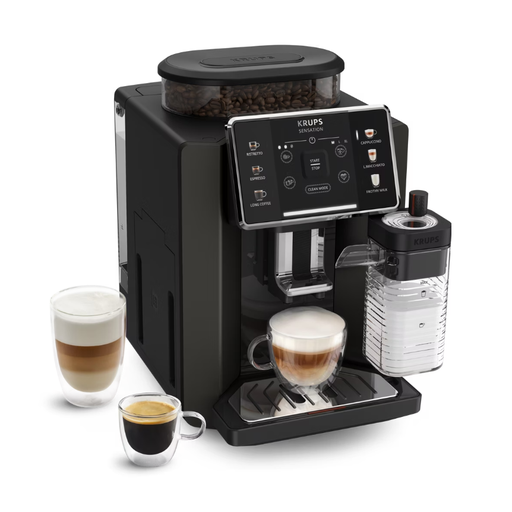
Krups Sensation Milk EA9129, black
For making several espressos without much manual coffee preparation; according to the product description, it can make two cups at once.
Six coffee and milk specialities, with adjustable drink volume and strength. The water tank holds 1.7 l.
For an iced mocha, cold milk, chocolate and ice need to be added separately. The description mentions hot milk frothing, not automatic preparation of the complete recipe.
View at Joybuy
 No image available
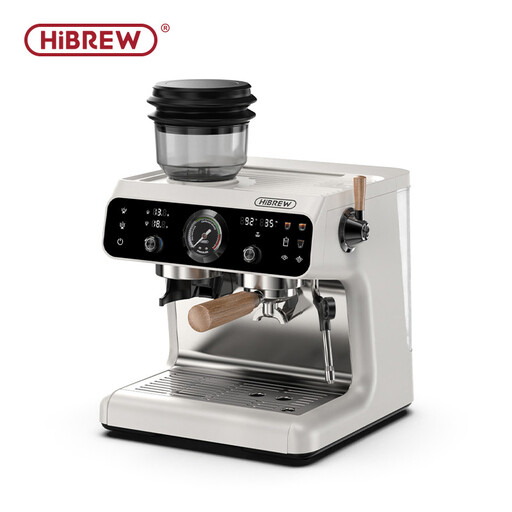
HiBREW H7B Upgraded Dual Boiler Barista Pro, white
For consumers who want to make individual espresso servings themselves and use an integrated grinder.
The product description lists 30 grind settings, a 250 g bean hopper and a 2.8-l water tank.
This model is described as a portafilter machine; the extraction isn’t presented as fully automatic.
View at Joybuy
 No image available
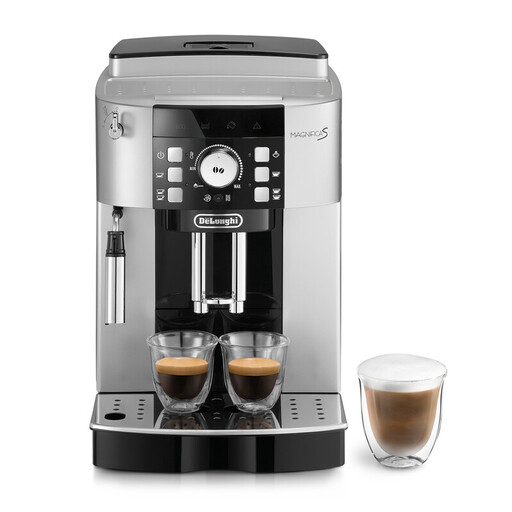
De’Longhi Magnifica S ECAM21.116.SB
For making espresso from beans, with adjustable coffee strength and volume.
The product description lists a grinder with 13 settings, a 1.8-l water tank and a removable brew group.
An integrated milk frother is mentioned; automatic preparation of the complete iced mocha recipe isn’t specified.
View at Joybuy
 No image available
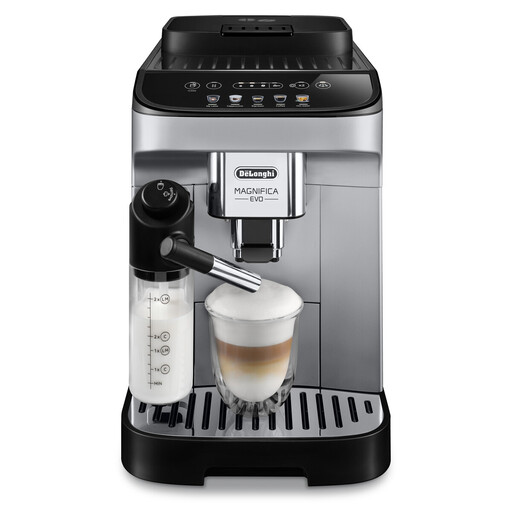
De’Longhi Magnifica Evo ECAM290.61.SB
For making several espressos from beans; the product description lists the option to make two espressos at once and prepare drinks at the touch of a button.
It lists seven drinks, a grinder and a 1.8-l water tank. The description says the LatteCrema milk system has removable, dishwasher-safe parts and an automatic cleaning function.
The milk system is described as making hot milk; cold milk, chocolate and ice for an iced mocha need to be added separately.
View at Joybuy
 No image available
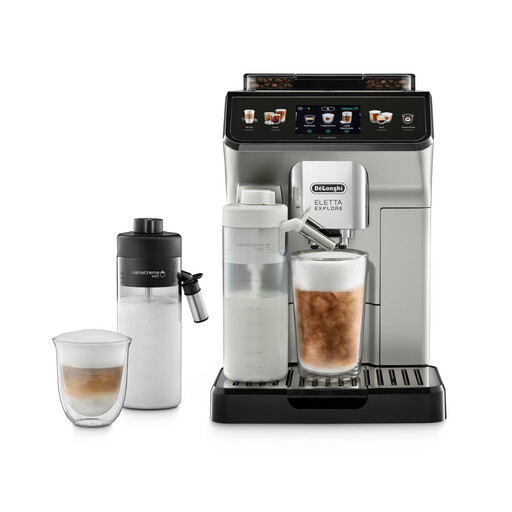
De’Longhi Eletta Explore ECAM450.55.S
For making espresso from beans and cold milk drinks; the product description lists a two-cup function.
It lists a conical grinder with 13 settings, 40 recipes and a 1.8-l water tank. The LatteCrema system is described as Hot & Cool.
Chocolate and ice need to be added separately for an iced mocha; the description doesn’t state that the complete recipe is dispensed automatically.
View at Joybuy
Frequently asked questions
Do I need a cold-brew function for an iced mocha?
No, not for the recipe described by Nespresso Germany. It consists of 40 ml of prepared espresso, 120 ml of cold milk, 20 ml of chocolate syrup and ice cubes; the ingredients are added separately to the espresso.
How should I handle milk for iced mochas at a family meal?
Keep perishable milk sufficiently chilled until you use it or serve it. The German Federal Institute for Risk Assessment recommends storing perishable foods as cold as possible until then. If you use a LatteGo system, Philips recommends rinsing it after every use or cleaning its parts.
What marking should I look for on an electric espresso machine?
If a device’s rated voltage falls within the scope of the EU Low Voltage Directive – 50 to 1,000 V AC or 75 to 1,500 V DC – it must meet the relevant safety requirements and carry the prescribed CE marking. EUR-Lex explains the scope of the directive; the European Union explains that the manufacturer uses the CE marking to declare conformity with the applicable product rules. Check the marking and electrical specification for the specific offer.
Should children have the same iced mocha at a family meal?
An iced mocha made with espresso contains caffeine. The German Federal Institute for Risk Assessment notes that possible adverse effects depend on the amount consumed and individual sensitivity, so consider caffeine separately from your choice of machine.


