The right machine depends first on whether you want to make an espresso macchiato with a little milk foam or a milkier latte macchiato. With a portafilter machine, you have more hands-on control over the espresso and foam, while a bean-to-cup machine takes care of more of the preparation for you. Capsule machines may need a separate appliance for frothing milk. In a shared kitchen, you should also agree who will clean the milk system or steam wand after use.
Which machine is right for you?
People who share a cleaning routine
If you share a machine regularly, make sure the milk container, steam wand and coffee-making parts are easy to reach, and agree what needs cleaning after each use. Philips and De’Longhi outline the cleaning requirements for their respective milk systems and machines.
People who make their own espresso macchiato
If you want to control the espresso and small amount of foam yourself, you’ll need to be prepared for a few extra steps with the portafilter and steam wand. Nespresso describes espresso macchiato as espresso with a small amount of milk foam; De’Longhi and Sage offer portafilter models with a steam wand.
People short on worktop space
When space is limited, it’s not just the machine’s footprint that matters: you’ll also need room for a cup, milk jug or separate frother. De’Longhi lists the Dedica Duo as 15 cm wide, while Nespresso gives the Essenza Mini’s dimensions as 8.4 × 33.0 × 20.4 cm (W × D × H).
What should you look for when buying?
First decide which type of macchiato you want to make. Then compare the steps involved and the cleaning routine with the space available in your shared kitchen.
Portafilter machine with steam wand
Right for you if: you want to control the espresso and foam yourself and handle each step of the preparation.
Bear in mind: dosing, frothing and cleaning the steam wand are all manual tasks. De’Longhi and Sage describe different steam systems for their respective models.
Bean-to-cup machine with milk system
Right for you if: several people want espresso and milk foam with fewer manual steps.
Bear in mind: even a removable or automatic milk system needs a shared cleaning routine after use.
Capsule machine with separate frother
Right for you if: compact espresso-making is a priority and you’re happy to use a second appliance for the milk foam.
Bear in mind: the machine and frother will need space, and both must be cleaned. Nespresso describes the Essenza Mini as a machine for espresso; you’ll need a separate appliance for milk foam.
| Buying priority |
What to look for |
Who is this important for? |
| Milk contact and cleaning |
Check whether the milk container or nozzle is easy to reach and how to clean it after use. |
If I share the machine, I want to know which parts that come into contact with milk need cleaning after every use. Around 29 % of consumers prioritise cleaning. |
| Ease of use |
Look for clear drink selection and consider how many steps are needed to prepare milk. |
When different people use the machine, it’s important to me that the preparation is easy to follow without a lengthy explanation. About 23 % of consumers prioritise ease of use. |
| Space and worktop area |
Measure the width and depth of the space available; if you’re considering a capsule machine, allow room for a possible second appliance. |
If worktop space is limited, I want room for a cup and milk preparation alongside the machine. Around 18 % of consumers prioritise space requirements. |
| Control over foam and espresso |
Check whether you can prepare or adjust the amount of foam separately. |
For an espresso macchiato, I want to choose the small amount of foam myself; milk plays a bigger part in a latte macchiato. About 18 % of consumers prioritise control over their drink. |
| Ongoing costs and system commitment |
Compare the capsules that suit your needs or the beans or ground coffee you’ll need. |
If I make coffee regularly, I want to consider the ongoing costs of the system I choose. Around 12 % of consumers prioritise ongoing costs and system commitment. |
Common misconceptions
-
Assuming ‘macchiato’ and ‘latte macchiato’ are the same
An espresso macchiato is made with a small amount of milk foam. Hot milk plays a much bigger part in a latte macchiato.
Decide which drink you want before treating an automatic milk system as a key reason to buy.
-
Confusing the machine’s width with its total space requirements
Even a slim espresso machine needs room for a milk jug, cup and preparation. A capsule machine may also need a separate frother.
Measure the worktop space available and include every appliance you plan to use to make your macchiato.
A separate milk appliance takes up extra space and means there’s one more item to clean after use.
-
Confusing quick cleaning with no maintenance
A removable milk system or a manufacturer’s claim that a machine is quick to clean doesn’t remove the need to clean it after use. Descaling is a separate maintenance task, and De’Longhi says how often it’s needed depends on water hardness.
In a shared kitchen, agree who will clean the milk system or steam wand after use and who will keep track of maintenance.
Make sure you regularly set aside time for cleaning and maintenance as part of your shared kitchen routine.
Relevant brands and model ranges
De’Longhi
The Dedica Duo EC890.M is a slim portafilter machine with a manual steam wand, giving you control over your espresso and milk preparation.
- De’Longhi lists this model as 15 cm wide.
- Frothing milk and cleaning the steam wand are still manual tasks; the machine’s width alone doesn’t tell you how much total worktop space you’ll need.
Philips
The Series 3300 EP3341/50 combines a bean-to-cup coffee machine with the LatteGo milk system.
- Philips describes LatteGo as a two-part milk system with no tubing.
- Philips’ stated cleaning time of 10 seconds doesn’t replace cleaning the system after use.
Sage
The Bambino Plus BES500 combines a manually operated portafilter with an automatically adjustable steam wand.
- Sage lists three milk temperature settings and three texture settings.
- The 54-mm portafilter still needs to be handled manually; the manufacturer’s claims about foam quality aren’t an independent comparison.
Nespresso
The Essenza Mini C Pure White is a capsule machine for espresso and lungo; for milk foam, you could use a separate appliance such as the Aeroccino4.
- According to Nespresso, this compact machine makes espresso and lungo.
- A separate frother takes up extra space and needs cleaning too.
Espresso machines for milk drinks at Joybuy
This selection features espresso machines for making milk drinks in shared kitchens. Check whether each model suits the type of macchiato you want and the cleaning routine you’ve agreed on.
 No image available
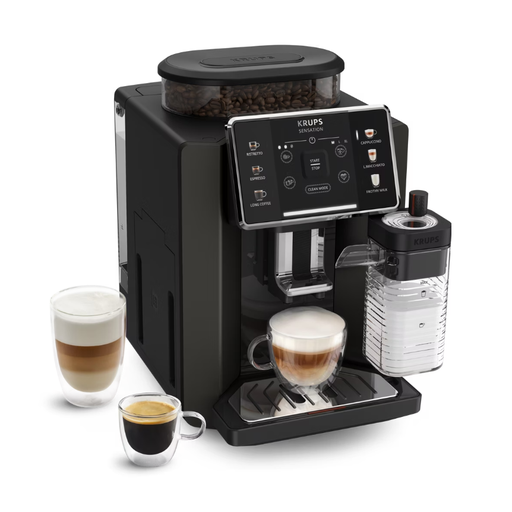
Krups Sensation Milk EA9129 bean-to-cup coffee machine
For shared kitchens where several people want espresso and milk drinks with fewer manual preparation steps.
The milk container or milk system must be cleaned after making milk-based drinks.
View at Joybuy
 No image available
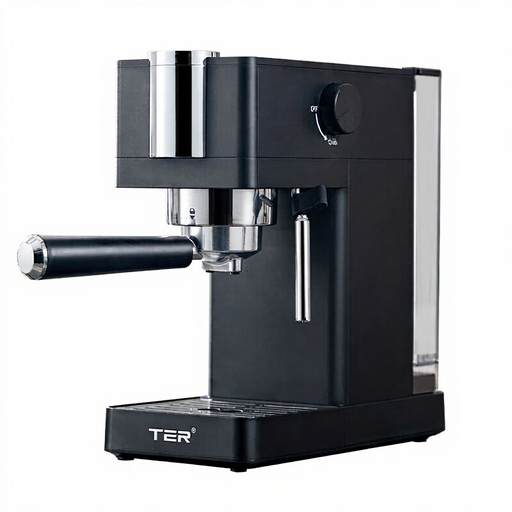
TER 15-bar espresso machine with built-in milk frother
For people who want to make espresso and milk foam using a single machine.
The product title specifies 15 bar and a built-in milk frother. Hot water and steam outlets can cause burns, so keep your hands away from them while the machine is in use.
View at Joybuy
 No image available
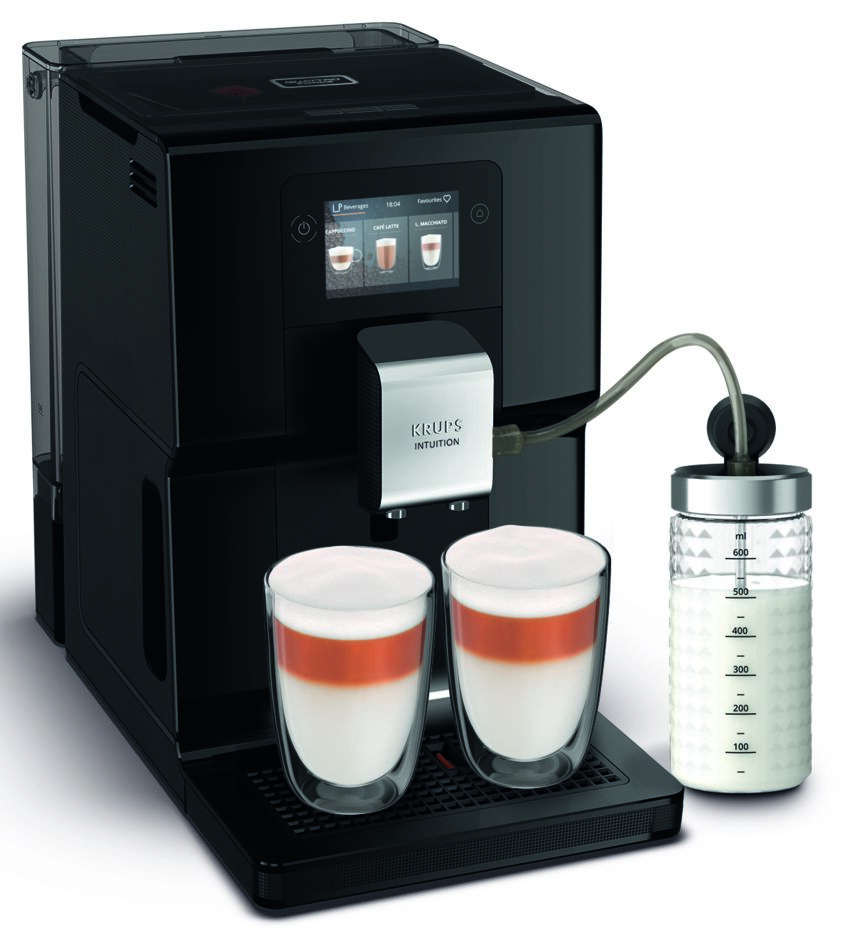
KRUPS Intuition Preference EA8738
An option for shared kitchens where several people want to choose from a selection of coffee and milk drinks.
The product title specifies a 3.5-inch colour touchscreen and 11 drink options.
View at Joybuy
 No image available
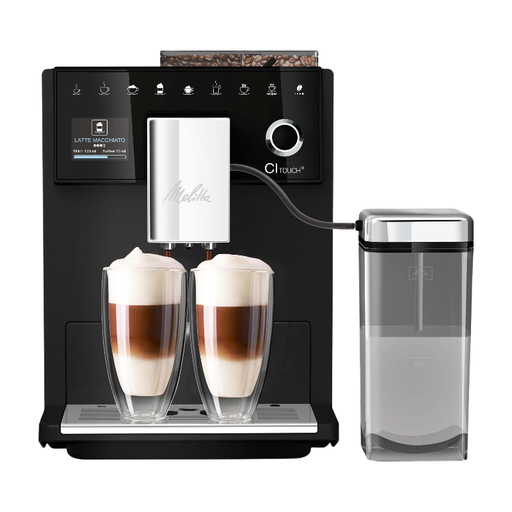
Melitta CI Touch bean-to-cup coffee machine
For people who want to make espresso and milk drinks in a shared kitchen.
The product title specifies an integrated grinder and milk frother. The coffee grounds container and drip tray need to be emptied or rinsed after use; cleaning and descaling programmes are also provided.
View at Joybuy
 No image available
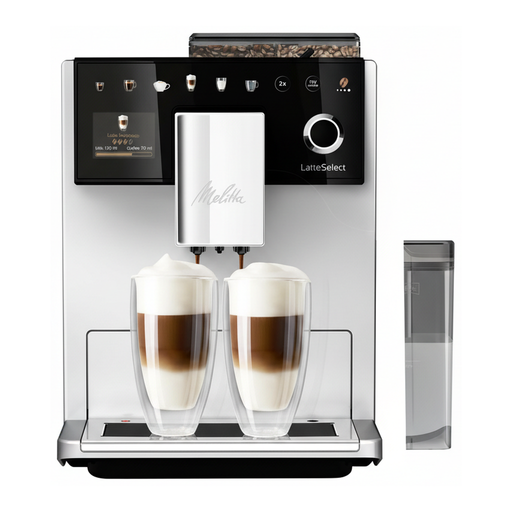
Melitta Latte Select Silver F630-212
For shared kitchens where different people want to select espresso and latte macchiato using a control panel.
The milk system should be cleaned daily.
View at Joybuy
Frequently asked questions
Do I need a large milk container to make an espresso macchiato?
No, not just for this drink: Nespresso describes an espresso with around 10 ml of milk foam. A latte macchiato contains considerably more hot milk. First decide which drink you mean, then check how you can make the amount of foam you need.
What should be cleaned after use in a shared kitchen?
Clean the milk system, steam wand and coffee-making parts according to the instructions for the machine, and agree who will take care of it. De’Longhi also points out that how often you need to descale depends on water hardness; descaling and cleaning after use are separate tasks.
How should I consider ongoing costs and the possibility of a fault?
Compare the cost of the capsules or coffee that suit your needs; a 2025 market review by the consumer advice centres describes price differences but doesn’t give current prices per item. If a consumer purchase is faulty, your statutory rights against the seller are separate from any voluntary guarantee. According to the EU’s Your Europe information, the legal guarantee lasts for at least two years from the date you receive the goods.
What should I check about electrical compliance?
Check that the appliance on offer has the required CE marking and accompanying documentation. The German Federal Network Agency explains that the manufacturer declares conformity on its own responsibility; the CE mark is neither proof of origin nor an independent quality mark.


