
Lieferung heute & morgen

Qualitätsgarantie

Willkommens-Angebote freischalten: KOSTENLOSE Lieferung | Bis zu 80 % RABATT | Kostenlose 30-Tage-JoyPlus-Testphase
App herunterladen
For many, an espresso machine with a grinder is the gateway to the world of authentic, café-quality coffee at home. It promises the control and quality of a barista-grade machine, combined with the convenience of an integrated system. However, the market is filled with tempting offers that don't always deliver on their promises. Before you make a decision, it's crucial to understand the common pitfalls that often lead to disappointment.
As your Joybuy Product Recommendation Officer, I'm here to help you separate marketing hype from tangible facts. We'll highlight the critical features that define a great machine and navigate the most common purchasing mistakes together.
Many machines look premium at first glance, but a closer look often reveals weaknesses that detract from the coffee experience. Pay special attention to these three points:
To avoid the problems mentioned above, you should check three core technical aspects before buying. These are the primary determinants of your coffee's quality and the machine's longevity.
The heart of any espresso machine with a grinder is the mill itself. There are two common types: conical burr grinders and flat burr grinders. Conical burr grinders made of hardened steel are often considered superior because they operate at lower speeds, grinding the beans more gently and generating less heat. However, the most critical factor is the number of adjustable grind settings. A good machine should offer at least 8, and ideally more than 15, settings to allow for precise adjustments for different bean types and roasts. This is the only way to achieve a balanced espresso.
The heating system is responsible for temperature stability during the brewing process.
For use as a home espresso machine, a modern thermoblock system is typically a great compromise between speed and stability.
A coffee machine with a milk frother significantly expands your beverage options. Manual steam wands, like those on professional machines, give you full control over the milk's texture and temperature—a prerequisite for latte art. Automatic systems are more convenient but offer less flexibility. Also, look for contemporary features. Some newer models, like an espresso machine with a Cold Brew function, can also prepare refreshing cold drinks using cold extraction technology.
Based on these criteria, we have identified a few models that represent a smart choice for different user profiles.
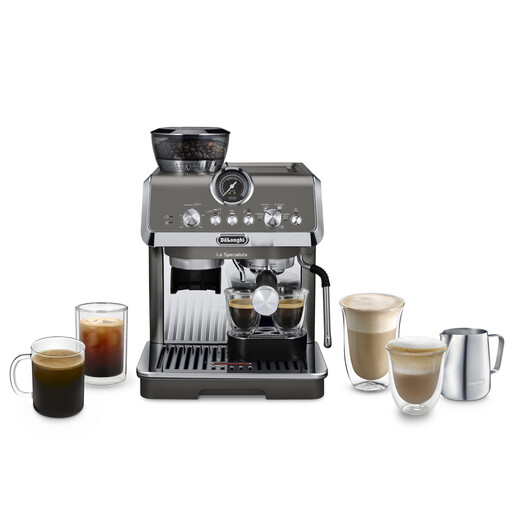
Why it's a good fit: This machine is aimed at users who want to control the entire brewing process. The included barista kit and manual steam wand enable an authentic coffee experience, from bean to latte art.
With 8 grind settings, the integrated grinder offers enough flexibility, avoiding the trap of an underpowered grinder. Its focus on consistent brew pressure rather than high bar numbers ensures a balanced extraction.
The innovative Cold Extraction Technology allows you to prepare genuine cold brew in just a few minutes. The stainless steel housing underscores its high-quality build.

Why it's a good fit: Ideal for households where filter coffee or cold brew are just as popular as espresso. This machine combines multiple brewing methods and offers a high degree of convenience thanks to its automatic functions.
With 25 grind settings, this model directly addresses the problem of inadequate grinders, offering exceptional precision for a combination unit. The Barista-Assist technology helps manage its complexity.
The 3-in-1 functionality (Espresso, Drip Coffee, Cold Brew) saves space and the cost of separate appliances. The automatic milk frother with 4 presets is practical and delivers consistent results.
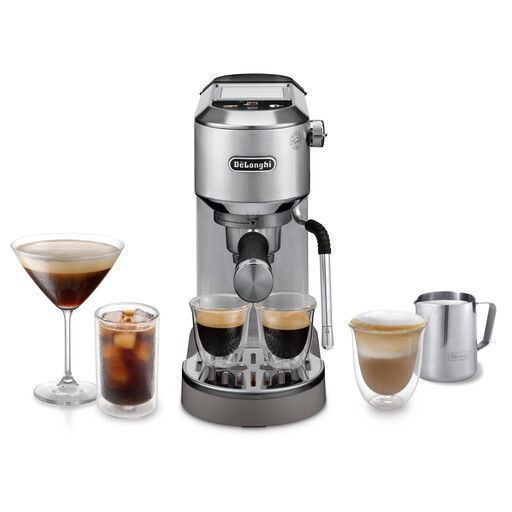
Why it's a good fit: For users who already own a high-quality coffee grinder or who prioritise an extremely compact and stylish design. At just 15 cm wide, it fits into any kitchen.
This model sidesteps the pitfall of a low-quality integrated grinder by not having one at all. This gives the user the freedom to choose a specialised, external grinder that meets their exact standards.
The Thermoblock heating system ensures the machine is ready to use in just 40 seconds. Despite its compact build, it offers a cold brew function and a manual MyLatteArt steam wand.
We've compiled a complete, up-to-date list of products that fully meet these strict selection criteria and all relevant safety regulations.
A basic daily cleaning is recommended. This includes rinsing the portafilter, cleaning the steam wand, and emptying the drip tray. Depending on usage, the grinder should be cleaned of oils every few weeks with a specialised grinder cleaner. A full descaling is necessary depending on water hardness and frequency of use, typically every 2 to 3 months. Many modern machines have an automatic descaling indicator.
The answer depends on your priorities.
The ideal grind size for espresso is very fine, similar to the consistency of powdered sugar or fine table salt. You can tell if the setting is correct by the extraction time: a single espresso (approx. 25-30 ml) should be extracted in about 25 to 30 seconds. If the water flows through too quickly, the grind is too coarse. If it flows too slowly or only drips, it's too fine. Every type of bean will require a slight adjustment.