
Lieferung heute & morgen

Qualitätsgarantie

Willkommens-Angebote freischalten: KOSTENLOSE Lieferung | Bis zu 80 % RABATT | Kostenlose 30-Tage-JoyPlus-Testphase
App herunterladen
As a Joybuy Product Recommendation Officer, I filter market information for you to provide objective and practical buying advice. This guide will help you find the right espresso machine with a grinder for your needs and avoid costly purchasing mistakes.
The desire for café-quality coffee in the comfort of your own home leads many enthusiasts to purchase an espresso machine with a built-in grinder. These all-in-one machines promise full control over the brewing process—from bean to cup. However, the market is flooded with marketing promises and technical specs that confuse more than they clarify. Before you invest, you should know the three most common pitfalls that often lead to disappointment.
To make an informed decision, focus on the technical features that directly impact coffee quality. A professional-grade home espresso machine isn't defined by a long feature list, but by the quality of its core components.
The grinder is the foundation of good espresso. A high-quality coffee machine with an integrated grinder should feature a conical or flat burr grinder made of hardened steel or ceramic. Pay attention to the following points:
The brewing temperature has an enormous impact on the taste of the espresso. Different heating systems offer various advantages and disadvantages, especially when preparing milk-based drinks.
Instead of making a one-size-fits-all recommendation, we have selected models that cater to different user profiles and needs.
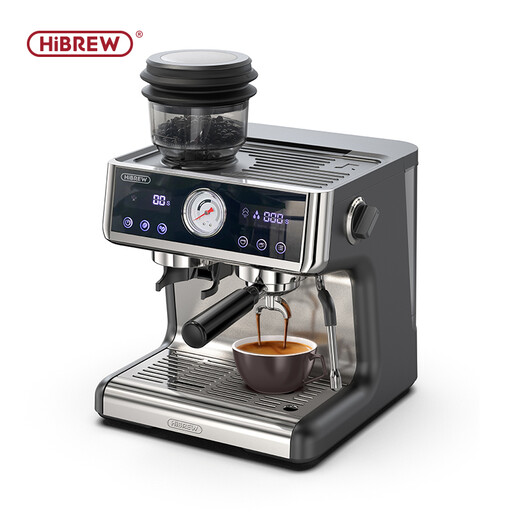
Why it's a good fit: Ideal for users seeking a powerful, all-in-one solution. The dual boiler system allows for simultaneous espresso extraction and milk frothing, simulating a true barista's workflow and making it perfect for preparing latte art.
The machine avoids the "overlooked heating system" pitfall with its dual boiler system. Additionally, the integrated conical burr grinder with 30 grind settings provides the necessary precision often lacking in cheaper combination units.
Simultaneous brewing and steaming thanks to the dual boiler and dual water pump. Adjustable extraction temperature and cup volume via an LCD touchscreen.
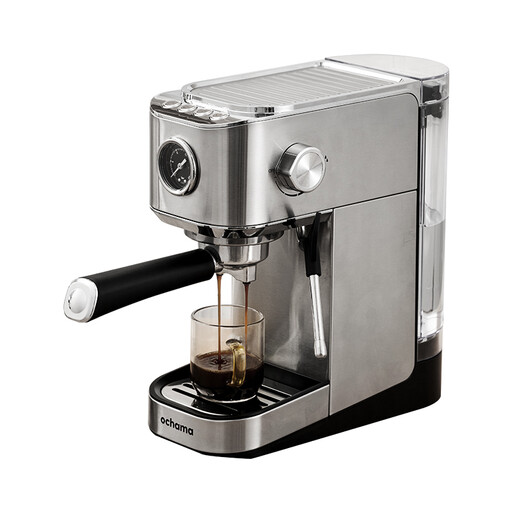
Why it's a good fit: For users who want to choose their coffee grinder separately or already own one. This approach offers maximum flexibility and allows for targeted upgrades of individual components in your setup.
This model completely avoids the "low-quality integrated grinder" trap by focusing on a single function: espresso extraction. You have full control over the choice and quality of your external grinder.
Robust all-metal body for durability and stability. A 20-bar high-pressure pump ensures powerful extraction. The cup warmer feature keeps cups at the ideal temperature.
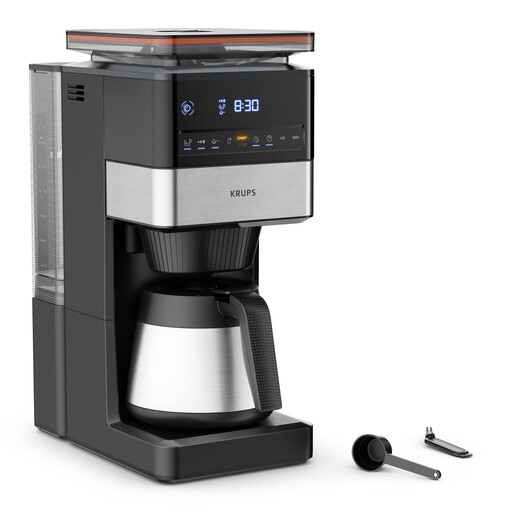
Why it's a good fit: For anyone who loves the aroma and taste of freshly ground coffee but prefers the character and larger volume of filter coffee over espresso. Ideal for breakfast or when entertaining guests.
This machine fulfills the core desire for freshly ground coffee but prevents a bad purchase if the user actually prefers larger quantities of drip coffee instead of espresso. It's an honest alternative to a portafilter machine.
Integrated, removable conical burr grinder with three grind settings. The 1.25-liter stainless steel thermal carafe keeps coffee warm without scorching it on a hot plate.
We have compiled a complete, up-to-date list of products that fully meet these strict selection criteria and German safety regulations.
The lifespan heavily depends on the build quality and maintenance. With regular and careful care—including cleaning the grinder, backflushing the group head, and regular descaling—models in the mid-to-high price range can last 5 to 10 years or more. Wear-and-tear parts like gaskets may need to be replaced sooner.
It depends on your drinking habits. If you predominantly drink espresso or Americano, a machine with a single boiler or thermoblock is often sufficient. However, if you frequently prepare milk-based drinks like cappuccinos or lattes for yourself or guests, a dual boiler significantly improves the workflow. It allows for simultaneous brewing and steaming, eliminating waiting times and greatly increasing convenience.
Besides the initial purchase price, you should consider the ongoing expenses. The biggest item is high-quality coffee beans. Additionally, there are costs for cleaning supplies (descaler, coffee oil cleaner) and occasionally for replacing wear-and-tear parts like group head gaskets. The power consumption of most modern devices is moderate, especially for models with an auto shut-off feature.