
Lieferung heute & morgen

Qualitätsgarantie

Willkommens-Angebote freischalten: KOSTENLOSE Lieferung | Bis zu 80 % RABATT | Kostenlose 30-Tage-JoyPlus-Testphase
App herunterladen
The search for the right espresso machine with a milk frother for home use can quickly become overwhelming. Manufacturers advertise high pump pressure and fully automatic functions, but not every feature is crucial for the perfect cappuccino at home. Many well-intentioned purchases end in frustration when cleaning is complicated or the machine doesn't deliver the expected coffee quality.
This guide will help you identify the key features and avoid common buying traps. This way, you can find a machine that truly fits your needs and your daily routine.
Before you decide on a model, you should be aware of three common marketing promises that often cost more than they're worth.
Focus on the technical fundamentals when making your choice. These three parameters are the primary determinants of the performance and longevity of your espresso machine for home use.
The heating system is the heart of any coffee machine. It determines how quickly the machine is ready for use and how consistent the water temperature remains during the brewing process.
The method of milk preparation is crucial for lovers of cappuccino and latte macchiato.
Freshly ground coffee is essential for a full-bodied flavour. A coffee machine with a grinder is therefore a worthwhile investment.
Pay attention to the number of grind settings. The more levels, the more finely you can tune the extraction to your coffee beans.
Here are some recommendations tailored to different needs and priorities.

Why This Fits Their Persona: Ideal for coffee lovers who want to enter the world of portafilter machines on a limited budget. It offers the basic functions to learn the process of espresso preparation and milk frothing from the ground up.
This model forgoes complex, hard-to-clean automatic functions. The manual steam wand is easy to clean and avoids the hygiene trap of integrated systems.
A compact stainless steel design and a manual steam wand that allows full control over the milk foam texture. The 20-bar pressure ensures a solid extraction.
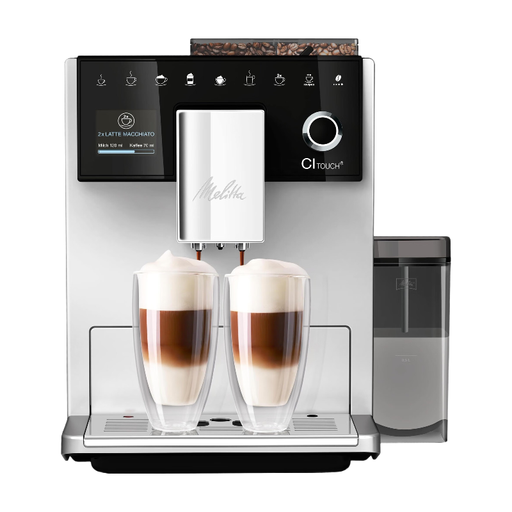
Why This Fits Their Persona: Perfect for households that want a variety of coffee specialities at the touch of a button, without compromising on quality or hygiene. Ideal for families or small offices.
The milk system with an external container is easy to remove and clean. The machine also runs automatic rinsing programs, thus avoiding the hygiene trap of permanently installed systems.
A quiet grinder, a 2-chamber bean container for different varieties, and storable user profiles offer a meaningful range of functions without being overwhelming.
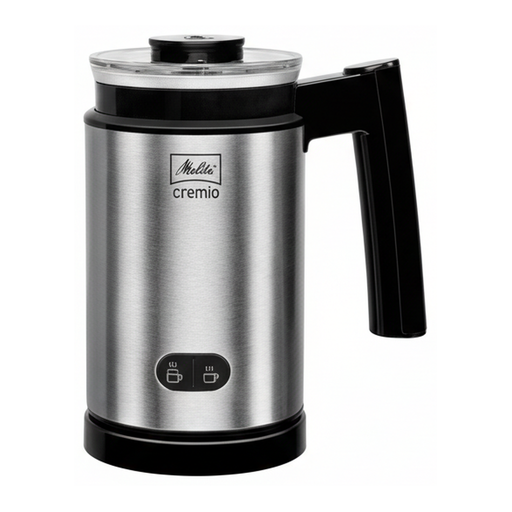
Why This Fits Their Persona: For anyone who already owns a good coffee machine without a milk function and wants to upgrade it easily. Perfect for preparing hot and cold milk foam for various drinks.
As a separate device, it specialises in one function and is extremely easy to clean. The non-stick coating and dishwasher-safe whisk prevent hygiene problems from the outset.
Simple one-button operation for hot and cold foam. The ergonomic design and automatic shut-off make it safe and convenient to handle.
We have compiled a complete, up-to-date list of products that fully meet these strict selection criteria and German safety regulations.
The parts that come into contact with milk should be cleaned daily. For automatic systems, this means running the rinse program after the last milk-based drink of the day and emptying and cleaning the milk container. A manual steam wand should be wiped with a damp cloth and purged briefly after each use. A more thorough weekly cleaning with a special milk system cleaner is recommended to completely remove any build-up.
Yes, for coffee lovers who value fresh flavour, an integrated grinder is a significant advantage. The taste difference between freshly ground beans and pre-ground powder is substantial. It eliminates the need for a separate device and ensures that the grind size is optimally matched to the machine. However, for occasional drinkers or users of coffee pods, it is not essential.
A portafilter machine requires more manual steps: you grind the coffee, fill and tamp it into the portafilter, and start the brewing process manually. This gives you maximum control over the result. A fully automatic coffee machine performs all these steps—grinding, brewing, milk frothing—at the touch of a button. It offers convenience and consistency, but less room for individual adjustments during the process.