For a quick iced latte routine
If you want to make an iced coffee with milk in just a few steps after your weekly shop, compare capsule machines, automatic bean-to-cup machines and machines with dedicated drink menus.


You don’t need a special cold-drink programme to make an iced latte: freshly brewed espresso poured over ice also works well with milk. Choose a machine to suit your routine, whether you want a few simple steps, more control over the beans and brewing, or a dedicated cold-drink menu. Also consider how you’ll handle the milk, how easy the machine is to clean and how much room you have for your entire coffee station. Nespresso Germany describes espresso poured over ice cubes as a recipe variation.
If you want to make an iced coffee with milk in just a few steps after your weekly shop, compare capsule machines, automatic bean-to-cup machines and machines with dedicated drink menus.
If you like having control over the beans and brewing, consider a machine with a grinder or a portafilter machine. Bear in mind that these involve more steps when preparing and cleaning.
If you’re weighing up counter space and ongoing costs, compare not just the machine but also the accessories, milk preparation and the cost of beans or capsules.
Compare the whole drink-making routine: from the coffee outlet to the milk and ice, plus cleaning and the space required for the machine and accessories.
| Buying priority | What to look for | Who is it important to? |
|---|---|---|
| Cold drinks | Check whether the model makes espresso and whether it specifically lists the cold recipe you want. Espresso poured over ice is not the same as cold brew. | If I want to make a cold drink with milk after the weekly shop, it’s important that the coffee output suits my recipe. Around 33% of consumers put suitability for cold drinks first. |
| Ease of preparation | Compare the steps from filling the machine to making the finished drink, including milk preparation and cleaning afterwards. | If I need to get things done quickly after shopping, I look for a routine with as few steps as possible. Around 27% of consumers prioritise ease of preparation. |
| Space required | Measure the counter and workspace needed for the machine and any accessories; check what’s included with the specific version or set. | If my kitchen has little free counter space, I need to be sure the entire coffee station will fit. Around 20% of consumers consider space their top buying priority. |
| Costs and care | Compare beans and capsules on the same quantity basis, and check the cleaning and descaling instructions for the model you’re considering. | If I’m factoring in ongoing coffee costs and upkeep, I check both before choosing. Around 20% of consumers put running costs and care first. |
The terms don’t necessarily refer to the same recipe or milk function. A cold-drink programme alone doesn’t tell you how milk for your iced latte is prepared.
Check the details for the specific model to see what coffee it makes, which cold recipes it offers and how it handles milk.
A compact machine might need additional accessories, while a set could include a separate grinder. The machine’s casing alone doesn’t show how much room your complete coffee station will take up.
Measure the available space and check what’s included with the exact version before working out how much room you’ll need.
Choosing between capsules and beans affects which consumables you’ll need regularly. Care and descaling are also part of owning a coffee machine.
Compare the types of coffee you use on the same quantity basis and read the care instructions for the model you’re considering.
The models featured offer different approaches: a bean-to-cup machine with dedicated iced recipes and a machine with automatic grinding and tamping.
The Barista Express featured here combines a grinder with manual preparation using a portafilter.
The Dedica ECKG6821.M is a portafilter set with a separate grinder, while the La Specialista Arte Evo EC9255.M EX:2 is a different model with a cold brew function.
The Essenza Mini XN1108 is a capsule option for making individual espressos.
These espresso and capsule machines offer different ways to make espresso and cold coffee drinks. Check the features of the specific version to make sure it suits your recipe.
 No image available
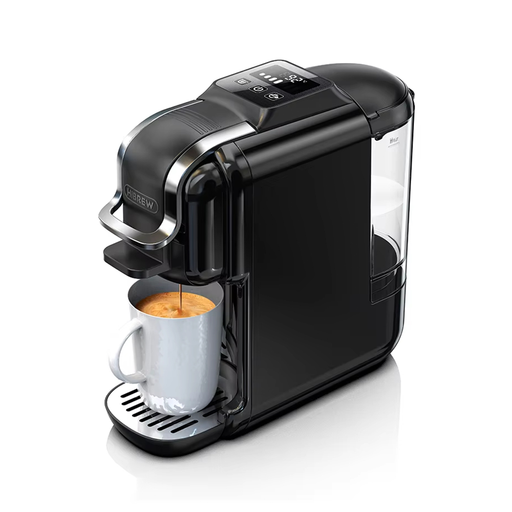
An option if you’re looking for a machine with dedicated hot and cold extraction and compatibility with different capsule types.
Touchscreen; 7 cup sizes; multi-level temperature settings; high-temperature steam function; compatible with several capsule types.
 No image available
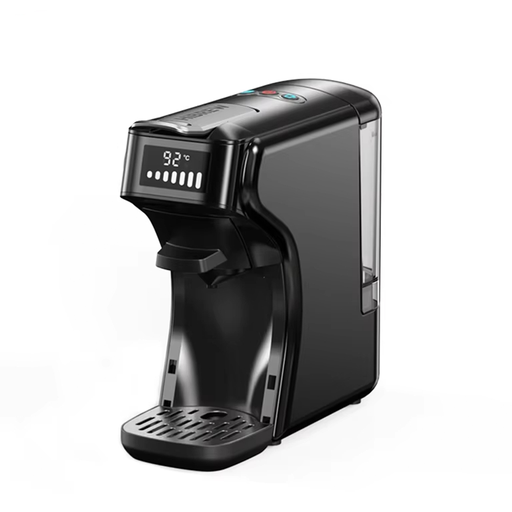
A possible choice if you’re considering a capsule machine with hot and cold extraction and several coffee formats.
20 bar; 7-level water volume settings; temperature settings; compatible with several capsule types; residual water drainage.
 No image available
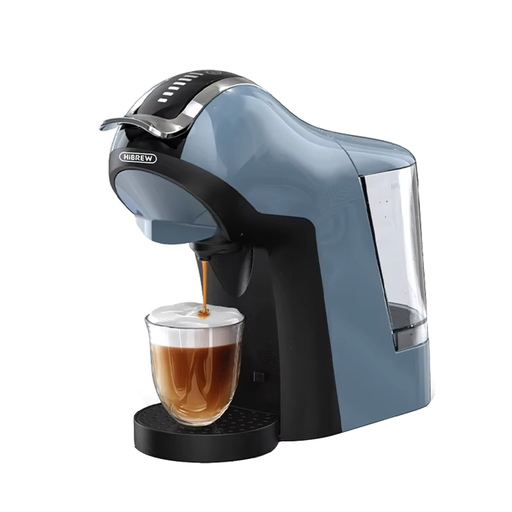
An option if you’re looking for a capsule machine with dedicated hot and cold extraction.
Touch controls; 20 bar; 7 adjustable pressure settings; capsule recognition; low-voltage protection.
 No image available
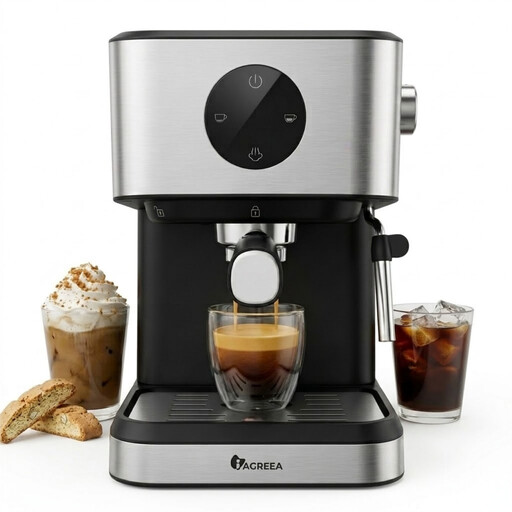
A possible choice if you want to pair espresso with manually prepared milk.
20 bar; manual steam wand; removable 50 Oz water tank; removable drip tray; cup warmer.
 No image available
A possible choice if you want to make single or double shots and froth milk with a steam wand.
Pressure gauge; steam wand; single and double shots; 1.1L removable water tank; cup warmer.
No, you can pour freshly brewed espresso over ice and add milk. Cold brew is a different brewing method. If you want a dedicated programme, check the drink description for the specific model. Nespresso Germany describes espresso poured over ice cubes as a recipe variation.
Keep milk and dairy products fresh and chilled at all times, as recommended by the Federal Office of Consumer Protection and Food Safety. Clean any milk components you use according to the instructions for the specific model. De’Longhi also notes that how often you need to descale the Dedica depends on the local water hardness.
Compare beans and capsules on the same quantity basis, and factor in what you use regularly. The consumer advice centre distinguishes between statutory rights for faulty goods and a voluntary guarantee; they aren’t the same thing.