
Lieferung heute & morgen

Qualitätsgarantie

Willkommens-Angebote freischalten: KOSTENLOSE Lieferung | Bis zu 80 % RABATT | Kostenlose 30-Tage-JoyPlus-Testphase
App herunterladen
Anyone who wants to make espresso at home is quickly faced with a wide range of options: classic moka pots, Italian stovetop espresso makers, electric espresso machines, portafilter espresso machines and bean-to-cup coffee machines. However, these appliances differ considerably in terms of operation, space requirements, cleaning and the amount of coffee they make.
A high pressure rating on the packaging does not automatically mean that the appliance is right for your kitchen. Before buying, you should therefore avoid three common mistakes.
With a moka pot, one “cup” usually means a small Italian espresso cup rather than a standard British mug. An espresso maker for 6 cups, for example, holds around 270 to 300 ml, depending on the model. An espresso maker for 3 cups can make around 130 to 150 ml.
If you only drink one portion in the morning, you therefore do not need a large pot. Conversely, an espresso maker for 1 cup is unlikely to be sufficient for a multi-person household, as the pot should generally be filled completely.
Many classic aluminium pots work on gas, electric or ceramic hobs, but not directly on induction. This applies, for example, to the classic Bialetti Moka Express 6 Cups. An additional induction adapter plate may be required, provided the manufacturer permits this type of use.
An espresso maker for induction usually has a suitable stainless steel base or a stainless steel boiler. The manufacturer’s specific information is crucial. “Suitable for all hob types” should not be taken to mean that any aluminium pot will work.
An electric espresso machine or bean-to-cup coffee machine offers more automation and often an integrated solution for milk-based drinks. However, these appliances require electricity, worktop space and regular care. A moka pot works manually and is usually more compact, but it does not produce espresso in the same way as a portafilter espresso machine with standardised pump pressure.
Figures such as 15 or 20 bar on an espresso machine should also be viewed objectively: they describe the pump output or the maximum stated pressure. When choosing a machine, you should also consider the filter basket, temperature control, operation and cleaning.
A pot must not be left unattended while in use. A safety valve, heat-resistant handle and securely closing screw thread are important features.
Base your choice on the actual amount produced, not just the stated number of “cups”. Examples from the selection include:
If you prefer larger drinks, you can top up the coffee with hot water afterwards. For cappuccino or latte macchiato, a milk frother or an espresso machine with a steam wand is also useful.
Many moka pots are not dishwasher-safe. With aluminium, cleaning with harsh detergents can affect both the material and the taste. After use, allow the individual parts to cool, unscrew them, rinse them with water and dry them thoroughly.
For electric machines, removable drip trays, water tanks and filter holders are practical features. Steam wands must be cleaned after every milk-based drink to prevent residue from remaining in the outlet.
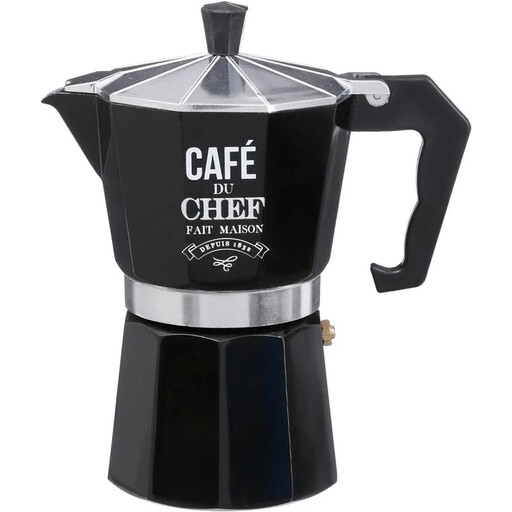
Why this product suits this profile: This manual moka pot does not require electricity and offers a suitable capacity of around 300 ml for several small portions. It is designed for gas hobs.
The stated capacity and suitable hob type make it easier to make an informed choice before buying. It is not listed as suitable for induction.
300 ml capacity, manual preparation and washable individual parts; not dishwasher-safe.
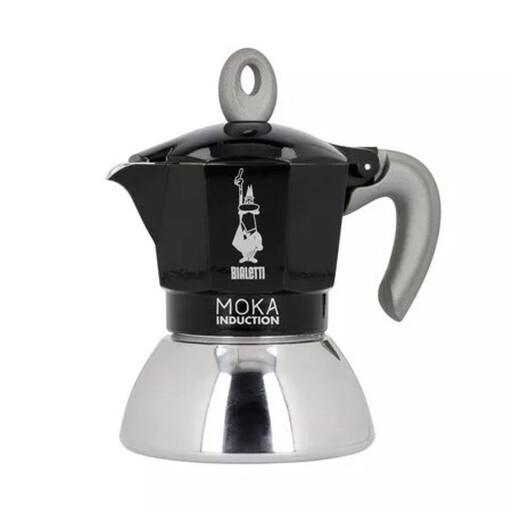
Why this product suits this profile: According to the product information, the combination of stainless steel and aluminium is suitable for gas, electric and induction hobs. With a capacity of 300 ml, the pot is suitable for several small coffees.
The explicit induction rating prevents a classic, non-magnetic aluminium pot from being used on an induction hob without checking its compatibility.
Suitable for several hob types, 300 ml capacity and reusable filter; hand-washing required.
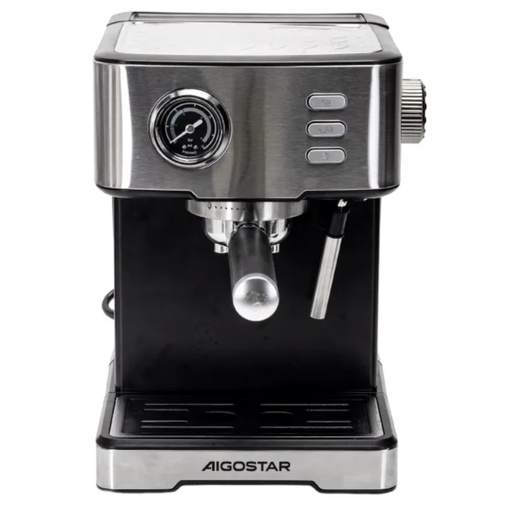
Why this product suits this profile: If you want to prepare espresso, hot water and milk froth with one appliance, this electric solution is suitable for home use or a small office.
The 1.7-litre water tank, single and double shots, plus separate steam and hot-water functions are all clearly specified.
1400 W, removable 1.7-litre water tank, 20-bar pump system and support for ground coffee and compatible capsules.
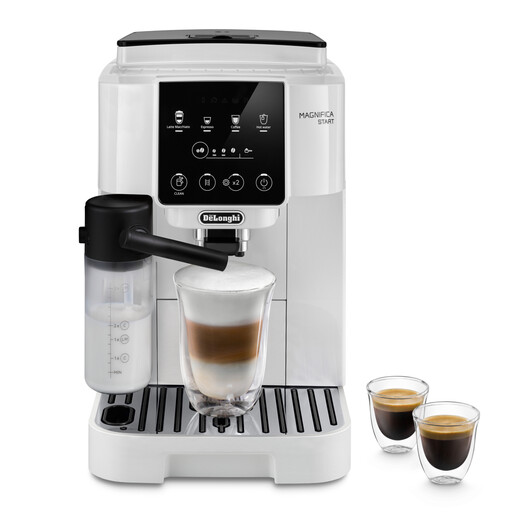
Why this product suits this profile: This bean-to-cup coffee machine grinds the beans immediately before brewing and offers four selectable drinks plus an integrated milk system.
Choosing a bean-to-cup machine makes sense when freshly ground beans, milk drinks and simple one-touch selection matter more than the compact size of a moka pot.
250 g bean container, 1.8-litre water tank, 13 grind settings and removable, dishwasher-safe components according to the product information.
We have put together a complete, regularly updated list of products that fully meet these strict selection criteria and the safety regulations applicable in the EU.
You should also consider the amount of worktop space required, cable length, cleaning and the availability of spare parts such as the sealing ring and filter basket. With every type of appliance, follow the manufacturer’s safety instructions and do not touch hot surfaces, steam or pressurised areas while it is operating.
Not every espresso maker is suitable for induction. Classic aluminium pots often require an adapter plate. Models with a stated stainless steel boiler or induction base can be used directly on a suitable induction hob. Always check the product description and instructions.
Its lifespan depends on the material, usage and care. The sealing ring and filter basket are wear parts and must be replaced when necessary. Regularly rinsing with water, drying all parts thoroughly and avoiding the dishwasher can help protect the components.
A classic moka pot does not have its own electrical power consumption. The main costs come from the energy used by the hob, water and ground coffee. An electric espresso machine also requires electricity for heating and standby mode. With frequent use, an automatic shut-off function and a removable water tank can make operation more convenient.