Which option suits you?

Teams that drink lots of espresso

If several people regularly drink espresso, work out your daily requirements and decide who will take care of the water, grounds container and cleaning before choosing a compact or office-oriented bean-to-cup machine. NIVONA says the NICR 1040 is designed for up to 50 cups a day. This is the manufacturer’s stated capacity, not a measure of every office’s needs.

Occasional tonic makers

If you only make the odd espresso tonic and want to keep the steps to a minimum, a capsule machine may be worth considering. You’ll still need to factor in the tank and capsule container sizes, as well as keeping a supply of compatible capsules on hand.

Espresso enthusiasts at work

If you want to control how your espresso is made, a portafilter machine could be a good choice – provided someone is happy to take care of preparation and cleaning in the shared kitchen. You’ll also need to allow enough space for the whole process.

What should you look for when buying?

Capsule machine

A good fit if: You only need the odd espresso at the office and different people value straightforward operation.

Consider: You’ll need to keep buying and disposing of capsules; small containers may mean frequent refilling and emptying.

Bean-to-cup machine

A good fit if: Several colleagues regularly drink espresso and you have a system in place for looking after the machine.

Consider: The grinder and brewing unit need looking after, and the machine should be suited to the amount of coffee you actually make.

Portafilter machine

A good fit if: Someone at the office wants to take an active role in making the coffee and control how the espresso is brewed.

Consider: Preparation and cleaning involve more hands-on work; you may also need a suitable grinder and extra space.

Priority What to check Who is it important to?
Simple single servings Direct espresso selection and the steps involved; for compact models, check the tank and container sizes. If different people at the office want to make a quick espresso in just a few steps, straightforward operation is important. Around 33% of consumers prioritise a simple way to make a single coffee.
Shared cleaning and care How easy it is to access the parts that need cleaning, and the manufacturer’s instructions; agree who will empty the containers and descale the machine. When several people use the same machine, cleaning and maintenance should be organised clearly. Around 27% of consumers put shared care of the machine first.
Control over the espresso Check the options for choosing the serving size or volume; with a portafilter machine, also plan for preparation and cleaning. If you want to control the amount and preparation of espresso for your tonic, you may be happy to take on more hands-on work. Around 20% of consumers prioritise this.
Space and consumables Measure the width and depth, allowing access to the tank and containers; also factor in capsule supplies or space for a grinder. If kitchen space is tight and you need to keep coffee and cleaning products stocked, both the machine’s footprint and ongoing supplies matter. Around 20% of consumers prioritise space and ongoing requirements.

Common buying mistakes

  • Assuming higher pump pressure means a better espresso tonic

    Pump pressure alone isn’t a reliable way to compare flavour. The espresso serving and tonic water also matter.

    Start by comparing the brewing method, adjustable serving size and the work involved in the office, rather than basing your decision on a bar figure alone.

  • Confusing “one-touch” with “no cleaning needed”

    Capsule machines need descaling too. With a bean-to-cup machine, regular care may also include cleaning the brewing unit and interior.

    Before you buy, decide who will empty the containers and clean and descale the machine in line with the manufacturer’s instructions.

    Allow time for regular maintenance and, where applicable, cleaning products specific to the model.

  • Buying a large office machine just because of its daily capacity

    NIVONA says the NICR 1040 is designed for up to 50 cups a day; JURA recommends no more than 50 drinks per day for the W8. These manufacturer figures don’t mean that an office making the occasional espresso tonic needs this kind of capacity.

    Work out your office’s actual requirements and peak times, then compare the machine’s size, capacity and maintenance needs.

Key brands at a glance

Nespresso

The Essenza Mini C offers a compact capsule option for the occasional espresso in a small office.

  • Nespresso Germany lists an espresso button for 40 ml and a machine width of 8,4 cm for this variant.
  • The water tank holds 0,6 l and the capsule container 5–6 capsules; the machine uses compatible Original capsules.

Melitta

The Solo Pure Black is a slim bean-to-cup machine with direct espresso selection.

  • Melitta lists a width of 20 cm, adjustable strength and volume, and a removable brewing unit.
  • The brewing unit needs cleaning; its compact design alone doesn’t demonstrate that it’s suitable for high daily volumes.

De’Longhi

The Dedica Style EC685.M EX:4 is a slim manual portafilter option for offices where someone is happy to take charge of making the espresso.

  • De’Longhi lists a width of 149 mm and the option to make a single or double espresso.
  • Manual preparation involves extra work; the space needed also depends on your workflow and whether you use a grinder.

NIVONA

NIVONA positions the NICR 1040 for office use and high coffee volumes.

  • NIVONA says it is designed for up to 50 cups a day and has a large tank.
  • This capacity is a manufacturer claim; milk functions aren’t a necessary reason to buy if you’re only making espresso tonics.

JURA

The W8 is another option for offices with high coffee volumes or a need for operator functions.

  • JURA lists a recommended maximum of 50 drinks a day and lock functions.
  • These features should suit the office’s actual needs; they don’t demonstrate an advantage for the occasional espresso tonic.

Joybuy product selection

This selection includes bean-to-cup machines, a capsule machine and a manual espresso machine, to suit different coffee habits and workflows in a shared office.
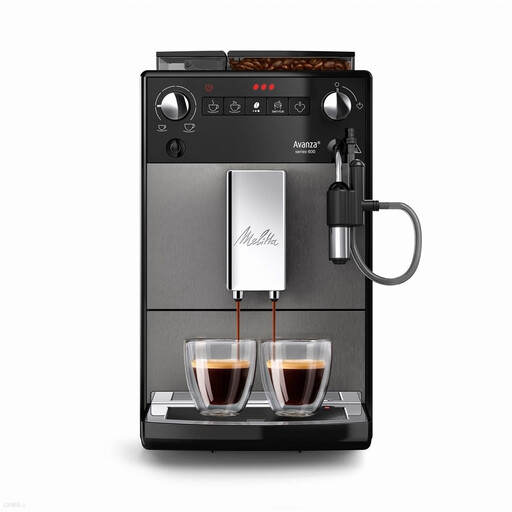
Melitta Avanza F270-100 bean-to-cup coffee machine

Melitta Avanza F270-100

For a shared office where you want espresso at the touch of a button, with the option to make two coffees at once.

20 cm wide; 1,5-l water tank; adjustable strength and volume; removable brewing unit; automatic cleaning and descaling programmes.

View at Joybuy
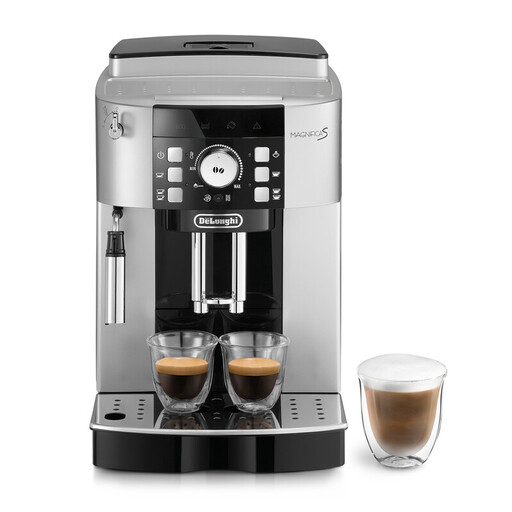
De’Longhi Magnifica S ECAM21.116.SB bean-to-cup coffee machine

De’Longhi Magnifica S ECAM21.116.SB

An option for different users who want to make espresso using direct-selection buttons and clean an easily accessible brewing unit.

1,8-l water tank; adjustable strength and coffee volume; fully removable brewing unit.

View at Joybuy

De’Longhi Magnifica Evo ECAM290.61.SB bean-to-cup coffee machine

De’Longhi Magnifica Evo ECAM290.61.SB

For an office where several people want espresso at the touch of a button and can organise the machine’s upkeep together.

1,8-l water tank; 250-g bean container; grinder with 13 settings; according to the description, makes two espressos at once and has automatic cleaning cycles.

View at Joybuy
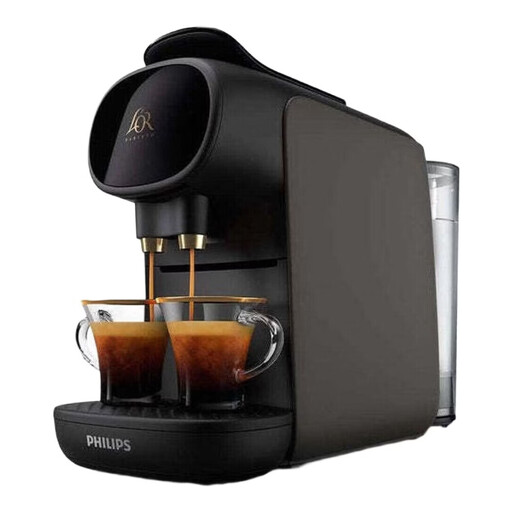
Philips L’Or Barista Sublime LM9012/23 capsule machine

Philips L’Or Barista Sublime LM9012/23

For occasional coffees, when different users want to make a single or double espresso in just a few steps.

1,0-l water tank; one-touch buttons; requires compatible capsules, which need to be removed after use.

View at Joybuy
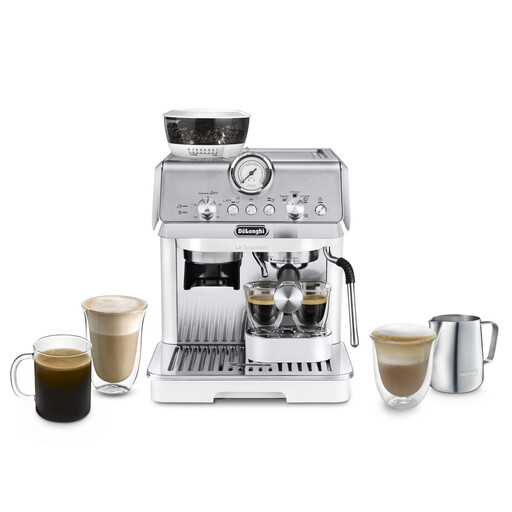
De’Longhi La Specialista Arte EC9155.W espresso machine

De’Longhi La Specialista Arte EC9155.W

For an office where someone is responsible for preparing the espresso with care and cleaning up afterwards.

Built-in grinder with eight grind settings; filters for one or two cups. Grinding, dosing, tamping and cleaning all involve manual work.

View at Joybuy

Frequently asked questions

Do I need a cold-drink programme to make espresso tonic?

No. To make the basic drink, simply combine espresso with tonic water and ice in a glass. Nespresso Germany gives 40 ml of espresso and a suggested ratio of one part espresso to three or four parts tonic water, which you can adjust to taste. This is a recipe suggestion, not a machine requirement.

Can I put a full glass of tonic directly under the coffee spout?

It depends on the clearance under the spout and the glass. For a more reliable fit, make the espresso in a small cup first, then pour it over the tonic water and ice.

Who should take care of descaling and cleaning at the office?

Agree who’s responsible before you buy, so the containers, brewing unit and descaling don’t get overlooked between users. Care instructions vary by model: Nespresso recommends descaling the Essenza Mini regularly, depending on water hardness and following the instructions; Melitta advises cleaning the brewing unit on the Solo.

Are coffee machines in German offices subject to a blanket annual electrical safety test?

The official guidance referred to here doesn’t establish a blanket annual testing interval. The Federal Institute for Occupational Safety and Health explains the principles for the safe use and regular inspection of electrical products in the workplace. According to the German Social Accident Insurance, inspection intervals can be set based on the risk assessment and conditions of use; the operator must check which requirements apply to their specific workplace.

What ongoing costs and tasks should we compare before buying?

Compare the office’s expected coffee consumption with the need for compatible capsules or beans, and factor in care and cleaning too. With a capsule machine, used capsules need to be removed and fresh ones kept on hand; with a bean-to-cup machine, someone needs to be responsible for the relevant maintenance tasks.