
Lieferung heute & morgen

Qualitätsgarantie

Willkommens-Angebote freischalten: KOSTENLOSE Lieferung | Bis zu 80 % RABATT | Kostenlose 30-Tage-JoyPlus-Testphase
App herunterladen
Preparing for the winter sports season often involves searching for the right ski gear or snowboard equipment. The market offers a plethora of products, but not all of them live up to their advertising claims. As your Joybuy Product Recommendation Officer, I'll help you identify the crucial features and avoid common pitfalls, ensuring your investment pays off in the long run.
Two common problems lead to dissatisfaction and unnecessary expenses:
This guide focuses on the objective parameters that truly matter, helping you make an informed decision.
Before you assemble your gear, you should understand three technical aspects. These are crucial for your safety, comfort, and performance on the mountain.
When you plan to buy a ski helmet, protection is the top priority. Modern helmets offer more than just protection against direct, linear impacts.
The functionality of insulated men's ski pants or a jacket depends on two key metrics:
Men's and women's ski goggles are more than just a fashion accessory. They protect against UV radiation, wind, and precipitation.
Here you will find product recommendations tailored to specific needs that take the above criteria into account.
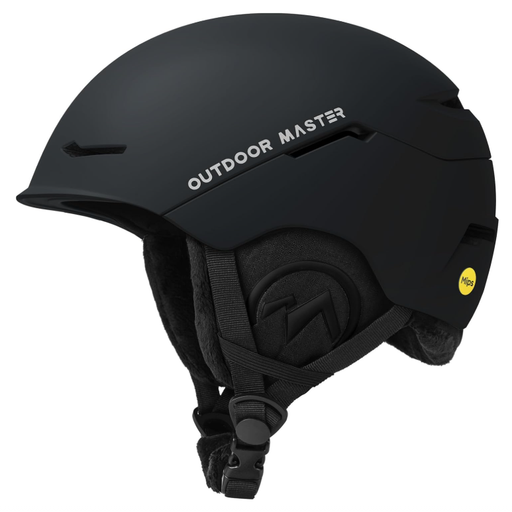
Why This Fits Their Persona: Ideal for riders who make no compromises on safety and are looking for a helmet with an advanced protection system against rotational forces.
This helmet avoids the trap of reducing safety to mere impact protection. It integrates the MIPS system, which specifically addresses the rotational forces common in falls.
Integrated MIPS protection system; adjustable fit system for a secure hold; removable liner and ear pads.

Why This Fits Their Persona: Perfect for riders who are out in all conditions and need goggles that can adapt quickly to changing light without having to carry multiple pairs.
This set solves the problem of being caught with the wrong lens tint. Instead of a fixed lens, it offers a magnetic lens-swapping system and multiple lenses for different VLT ratings.
Fast lens changes with MagKlick system; bundle includes lenses for sun (VLT 10%) and low-light conditions (VLT 90%); OTG-compatible for glasses wearers.
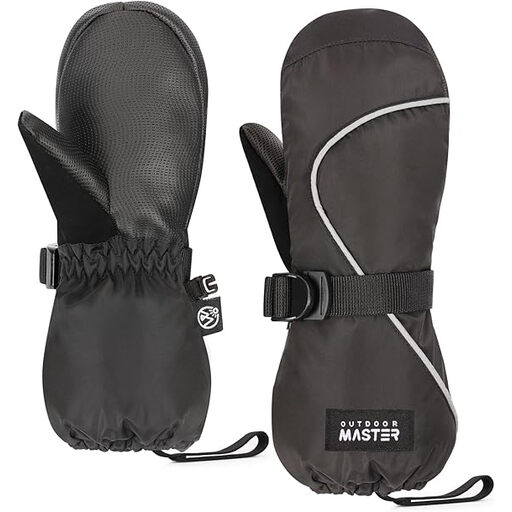
Why This Fits Their Persona: For parents whose priority is keeping their children's hands warm and dry all day, so that fun in the snow isn't spoiled by cold fingers.
These mittens go beyond a simple water-resistant surface. An integrated TPU membrane ensures reliable waterproofing and prevents the typical soaking that happens with kids' gloves.
Dual-layer moisture protection (water-repellent surface + TPU insert); 120g thick cotton insulation for warmth; convenient anti-loss wrist leashes.
We have compiled a complete, up-to-date list of products that fully meet these strict selection criteria and UK/EU safety regulations.
Most manufacturers recommend replacing a ski helmet after a significant impact or after about three to five years, even if there is no visible damage. Material fatigue from UV radiation and temperature fluctuations can compromise its protective function over time. Always check the manufacturer's specifications for your specific model.
The waterproof rating (or water column) is a unit of measurement for the waterproofness of technical fabrics. It indicates how high a column of water (in millimetres) can be placed on the fabric before water penetrates. A value of 1,500 mm is considered waterproof according to EU standards, but for winter sports, ratings from 5,000 mm are practical to stay dry even under pressure (e.g., when sitting in the snow).
Yes, this is possible if you choose "OTG" (Over The Glasses) ski goggles. These models are specifically designed to be worn over prescription glasses. They have a larger internal volume and side cut-outs in the foam to avoid pressure on the glasses' temples.