
Lieferung heute & morgen

Qualitätsgarantie

Willkommens-Angebote freischalten: KOSTENLOSE Lieferung | Bis zu 80 % RABATT | Kostenlose 30-Tage-JoyPlus-Testphase
App herunterladen
As a Joybuy Product Recommendation Officer, I see every day how challenging it can be to select the right tools. Assembling a new shelf, fixing a dripping faucet, or starting a garden project—for every task, there seems to be an endless number of tool options. But not every purchase is a worthwhile investment. Many DIYers spend money on tools that quickly become useless or are unsuitable for their intended purpose.
This guide will help you identify common purchasing traps and make an informed decision, whether you're looking for a complete starter kit for your home or need a specific tool for your next DIY project.
Before we dive into the key quality features, let's highlight two common marketing traps that often lead to disappointment:
To avoid a bad purchase, you should focus on a few, but crucial, technical features. These determine whether a tool will be a reliable assistant or a source of frustration.
The material is the heart of any hand tool. For tools subjected to high forces, like a screwdriver set or a socket wrench set, the quality of the steel is crucial.
Also, pay attention to the craftsmanship. Handles made from 2-component materials (often a combination of hard polypropylene (PP) and soft thermoplastic rubber (TPR)) offer a secure grip, dampen vibrations, and allow for fatigue-free work. This is particularly advantageous for a hammer or pliers.
Good tools work with precision. On an adjustable wrench, the mechanism should move smoothly and without any play. For a tape measure, the EU Accuracy Class (e.g., Class II) indicates the guaranteed measurement accuracy. Such objective labels are a more reliable indicator of quality than marketing claims.
Instead of making a one-size-fits-all recommendation, we have selected products that fit specific user profiles and meet the quality criteria mentioned.
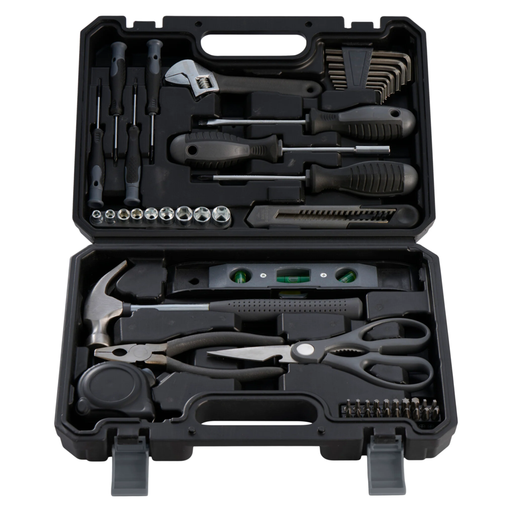
Why this set is a great fit: Ideal as a basic tool kit for a first apartment or for occasional repairs. It covers the most common tasks—from assembling furniture and hanging pictures to simple fixes.
This tool set skips unnecessary filler items. Instead, it focuses on 57 useful tools, including a hammer, pliers, and an assortment of screwdrivers and sockets that are actually needed for home use.
Offers a comprehensive and organized solution in a compact toolbox. The carbon steel material is functional and reasonably priced for its intended household application.
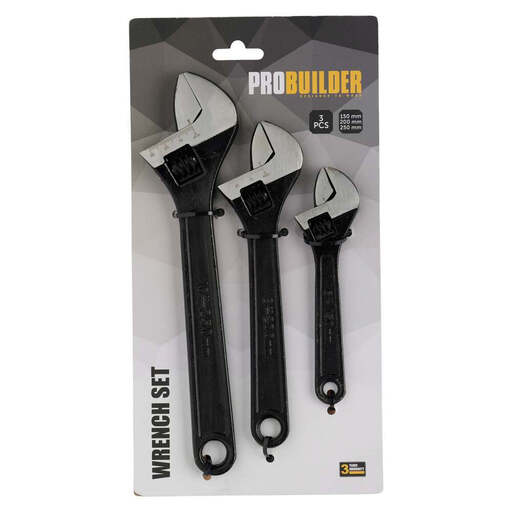
Why this set is a great fit: Perfect for users who regularly work on bicycles, appliances, or plumbing and need a reliable tool for loosening and tightening nuts and bolts of various sizes.
Instead of an imprecise all-in-one tool, this set offers three dedicated adjustable wrenches made of carbon steel. The precisely adjustable mechanism ensures a firm grip and minimizes the risk of damaging bolt heads.
The three different sizes (100 mm, 200 mm, 250 mm) offer great flexibility for working in hard-to-reach places and for different torque requirements. The polished heads are also corrosion-resistant.
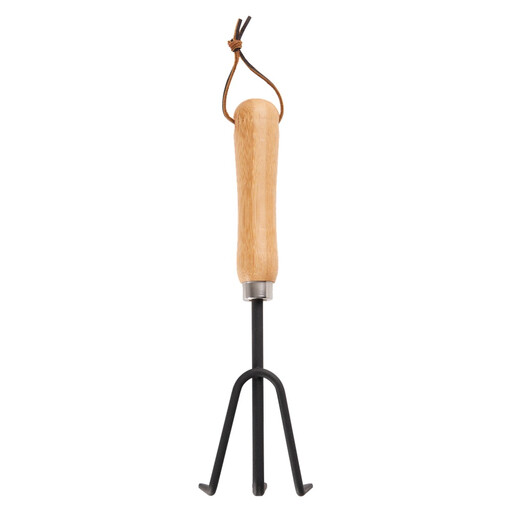
Why this tool is a great fit: A specialized garden tool for anyone who values tending to their garden beds. Ideal for loosening soil, removing weeds, and preparing for planting.
This tool relies on durable materials designed for outdoor use. The head, made of powder-coated steel, is corrosion-resistant, while the handle made of bamboo is more sustainable and robust than cheap plastic handles that can become brittle in the sun.
The combination of robust steel and an ergonomic bamboo handle ensures a long lifespan. According to the manufacturer, it comes with a 5-year warranty, which underscores confidence in the product's quality.
We have compiled a complete, up-to-date list of products that fully meet these strict selection criteria and applicable safety regulations.
A solid basic tool kit should include the most important tools for everyday tasks. This typically includes: a hammer, a set of pliers (at least combination pliers), a screwdriver set with various sizes for flathead and Phillips screws, a tape measure, and a utility knife. A small socket wrench set is also very useful for many assembly jobs.
Look at the material (e.g., hardened steel for blades and tips), the craftsmanship (no sharp burrs or messy edges), and the feel in your hand. Ergonomic, non-slip grips are a good sign of thoughtful design. For tools with moving parts, like pliers or adjustable wrenches, check for smooth, precise operation without any wobbling.
Proper care is simple but effective. Clean your hand tools after each use to remove dirt and moisture. Store them in a dry place, ideally in a toolbox or tool chest, to prevent rust. An occasional drop of oil on the joints of pliers or the worm screw of an adjustable wrench will keep the mechanism moving smoothly.