
Lieferung heute & morgen

Qualitätsgarantie

Willkommens-Angebote freischalten: KOSTENLOSE Lieferung | Bis zu 80 % RABATT | Kostenlose 30-Tage-JoyPlus-Testphase
App herunterladen
Choosing the right pillow is a highly personal decision that significantly impacts your sleep quality. An unsuitable pillow can lead to neck tension, restless sleep, and morning aches and pains. But the market is confusing and full of marketing promises. This buying guide will help you identify the crucial features and avoid common purchasing mistakes.
Before we dive into the key parameters, let's highlight three common issues that often lead to the wrong purchase decision:
To find the right pillow, focus on objective criteria tailored to your needs.
The fill material is a key determinant of the pillow's comfort, support, and durability.
A pillow's most important function is to fill the gap between your head and the mattress, keeping your cervical spine in a straight line with the rest of your spine.
Here are some models tailored to specific user profiles and their requirements.
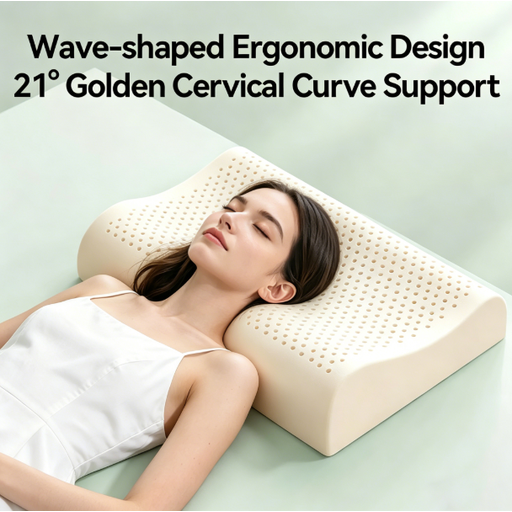
Why This Fits Their Persona: The ergonomic wave shape with two different heights (10/12 cm) is specifically designed to fill the gap between the head and shoulder for side sleepers, providing anatomically correct neck support.
This pillow isn't a one-size-fits-all model but a specialized neck pillow. It specifically addresses the needs of people with tension through a defined shape rather than an undefined fill.
Made from 93% natural latex, it offers durable, point-elastic support and is naturally resistant to dust mites.
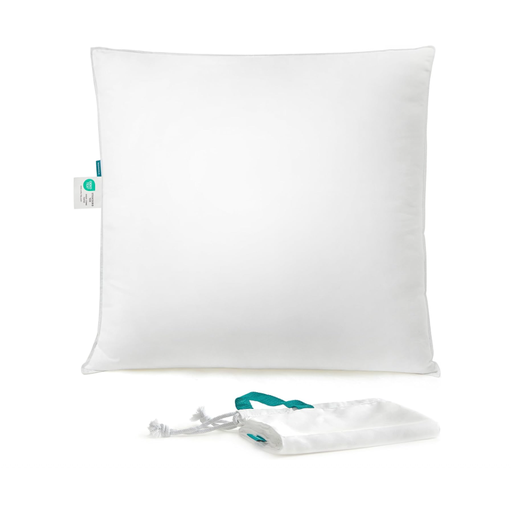
Why This Fits Their Persona: For users who prefer the voluminous and soft feel of a traditional 80x80 pillow. It offers a large, plush surface for general comfort without specific ergonomic claims.
This pillow makes no false ergonomic promises. It's an honest, well-filled standard pillow whose main advantage lies in its easy care and high level of hygiene.
It is machine washable at 60°C, which is beneficial for allergy sufferers and hygiene-conscious users. The polyester filling is straightforward and easy to maintain.
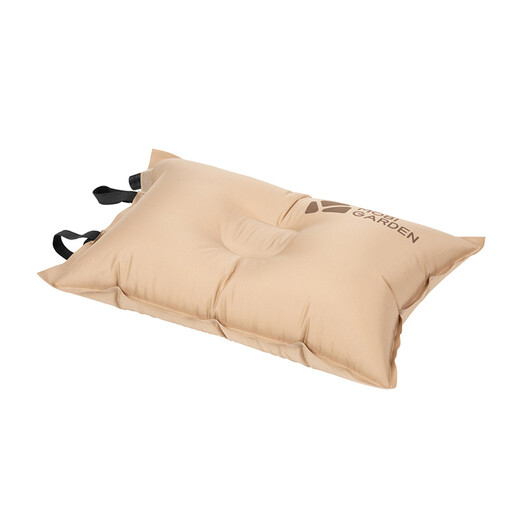
Why This Fits Their Persona: This inflatable travel pillow is extremely lightweight (approx. 260 g) and packs down to a minimal size. It's the ideal solution for camping, air travel, or short breaks at the office.
It focuses on its core competency: portability. It doesn't promise permanent orthopaedic benefits but offers functional, adjustable support for on the go.
The foam core ensures it partially self-inflates, and the one-way valve makes inflation and deflation easy. The surface is water-repellent and easy to clean.
We have compiled a comprehensive, up-to-date list of products that meet these selection criteria.
1. What is the best pillow for neck pain? For neck pain, an ergonomic pillow that supports the natural curve of the cervical spine is often recommended. The height should be chosen so that the spine forms a straight line from the neck to the pelvis. Materials like memory foam or latex provide stable, pressure-relieving support that can be helpful for tension.
2. How often should you replace a pillow? A pillow's lifespan depends heavily on its material and care. As a general guideline, they should be replaced every 1 to 3 years. Clear signs that a replacement is needed include the pillow losing its shape, becoming lumpy, feeling flat, or showing stains that can no longer be washed out.
3. Can every pillow be washed? No, not every pillow is suitable for machine washing. Always check the manufacturer's care label. Pillows with polyester fibre fillings or many down pillows are often designated as a washable pillow. However, memory foam or latex cores should generally not be submerged in water; only spot cleaning is usually possible. A washable pillowcase is therefore a sensible addition for all types of pillows to maintain hygiene.