
Lieferung heute & morgen

Qualitätsgarantie

Willkommens-Angebote freischalten: KOSTENLOSE Lieferung | Bis zu 80 % RABATT | Kostenlose 30-Tage-JoyPlus-Testphase
App herunterladen
EVA slippers for women and men are practical for many everyday situations: in the bathroom, on the balcony, in the garden, when travelling or as lightweight house shoes at home. The material is usually water-repellent, easy to care for and shape-retaining. Even so, not every minimalist model automatically makes the right choice.
The Joybuy Product Recommendation Officer’s selection therefore focuses on clear product features rather than general marketing claims. The key considerations are fit, sole profile, water drainage and the specific intended use.
A sole described as non-slip is not equally effective on every surface. Conditions vary between dry tiles, wet bathroom floors, wood and smooth outdoor surfaces. You should therefore look for:
Buying non-slip pool shoes therefore means looking beyond a single buzzword. The sole construction and fit need to be considered together.
Compared with textile materials, EVA absorbs very little water. However, this does not mean that water cannot collect in enclosed areas or beneath the foot. Models with side openings or integrated drainage channels can channel water away more quickly.
Different features are therefore important for the bathroom than for the living room:
Slippers for wide feet should not simply be bought one size larger. Excess length can reduce stability and make walking less secure. First, check the recommended foot length for the specific model. In the PUXI size charts provided, for example, EU 42–43 corresponds to a foot length of approximately 265 to 270 mm, depending on the model.
For wider feet, the shape of the forefoot area, the width of the opening and the height of the upper are also relevant. A wide fit can be more comfortable, but it must not be so loose that your heel slips out of the shoe when walking.
EVA stands for ethylene-vinyl acetate, a lightweight plastic foam commonly used for slides, clogs and pool shoes. With a one-piece moulded construction, there are fewer seams and bonded areas where moisture or dirt can collect. This makes the shoes easier to clean.
When odour resistance, shape retention or environmental benefits are mentioned, these should be understood as product features specified by the individual manufacturer. They do not provide a universal indication of how long the shoes will last. Direct sunlight, high temperatures and prolonged compression can still affect the material.
A flat footbed may be sufficient for short distances. For longer wear, a slightly textured surface, suitable cushioning and – if preferred – light arch support are important criteria. A footbed is not a substitute for individual orthopaedic advice and does not constitute a medical claim.
Massage nodes or recesses are design features. Whether they feel comfortable depends on your foot shape and sensitivity. If you prefer minimalist footwear, you should also pay attention to the sole height: a thin EVA sole provides a different walking sensation from a clog with a 3 or 6 cm platform.
Side drainage openings support air circulation and can channel away water after showering or washing. Round and square ventilation holes are particularly common on lightweight clogs. However, they also make the shoes more permeable to splashes and dirt.
For travelling and outdoor use, we recommend choosing a model that can be rinsed with warm water. EVA shoes should then be dried in the shade. Direct sunlight or intense heat can alter their shape.
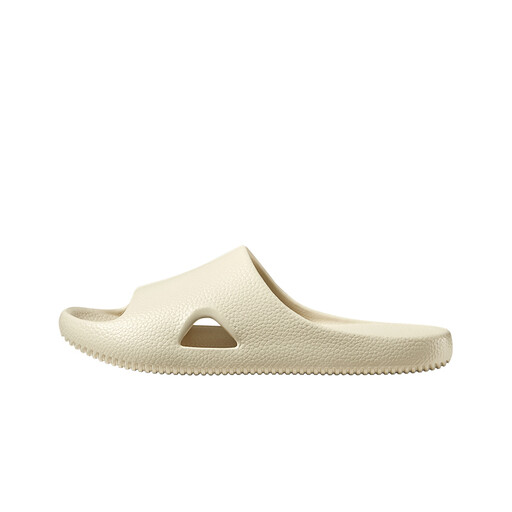
Why this product suits this profile: The lightweight EVA slide is suitable for short trips around the home and for shoppers looking for a simple unisex design with a lower weight.
Side drainage openings and a one-piece EVA construction address standing water and hard-to-clean seams.
Lightweight, thin EVA sole, slightly raised upper and side openings for water drainage.
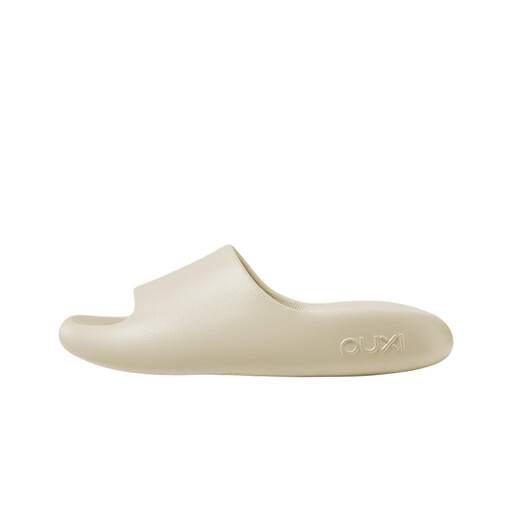
Why this product suits this profile: This model combines a wider fit with a contoured footbed, a 3-cm sole and a closed toe area for everyday use indoors and outdoors.
The combination of a grid-textured sole, toe protection and a contoured footbed reduces reliance on a simple “non-slip” label.
Wide instep, contoured footbed with arch support and textured EVA outsole.
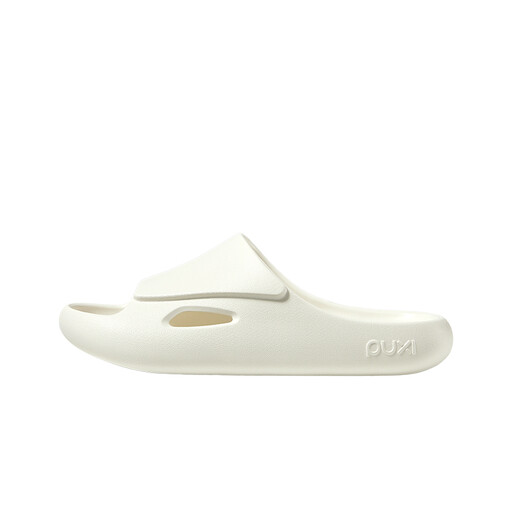
Why this product suits this profile: The construction is specifically designed for bathroom use, taking water drainage, grip on wet floors and an easy-care surface into account.
Drainage channels and deep wave grooves are specific design features that help prevent water pooling and provide more than a smooth outsole.
High-density EVA, drainage midsole and wave tread with textured grains according to the product description.
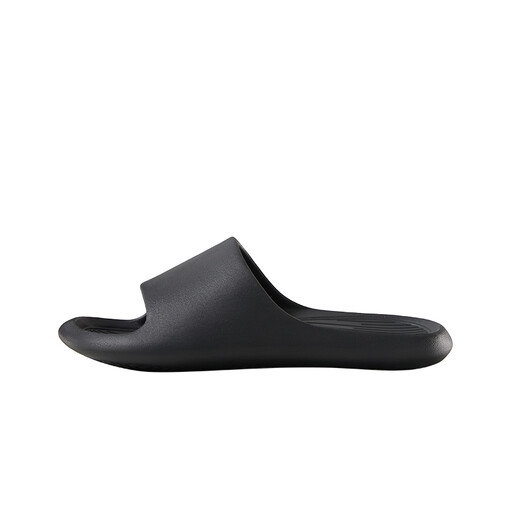
Why this product suits this profile: The wide-cut shape is designed for wider or fuller feet and suits a pared-back unisex style.
The extra width is not created simply by adding length. A wider forefoot area and raised toe cap take the shoe’s shape into account.
Wide-cut design, EVA footbed with grid texture and slightly raised toe cap.
We have put together a complete, regularly updated list of products that fully meet these strict selection criteria and the safety regulations applicable in the EU.
Before wearing new EVA shoes for the first time, allow them to air in a well-ventilated, shaded area. A slight odour may develop after extended storage. Warm water is generally sufficient for cleaning EVA; for more stubborn dirt, you can use a soft brush with a mild cleaning product.
You should also remember to:
The actual service life depends on how often the shoes are worn, body weight, the surface, care and storage. It is therefore not possible to give a reliable fixed service life for all EVA slippers.
Yes, provided the model has drainage openings or water drainage features and a suitable sole profile. A smooth EVA sole is less suitable for wet tiles. Even with an outsole described as non-slip, you should continue to walk carefully on damp floors.
Measure your foot length in millimetres and compare it with the size chart for the specific model. For the PUXI shoes mentioned, for example, size ranges such as 42–43 are given with a recommended foot length of approximately 265 to 270 mm. As the shape varies between models, you should not rely solely on your usual EU shoe size.
That depends on how they are used. Regular use on rough concrete puts more strain on the sole than wearing them indoors. Clearly flattened tread, cracks, material deformation or reduced grip indicate that the shoes should be replaced. Careful cleaning and dry, shaded storage can help preserve the material’s properties in everyday use.