
Lieferung heute & morgen

Qualitätsgarantie

Willkommens-Angebote freischalten: KOSTENLOSE Lieferung | Bis zu 80 % RABATT | Kostenlose 30-Tage-JoyPlus-Testphase
App herunterladen
Wet tiles, sand between your toes or a shoe that loses its shape after a short time: when choosing unisex EVA water shoes, colour isn’t the only thing that determines how practical they are for everyday use. Pay particular attention to drainage, tread, fit and material thickness. The same applies to women’s and men’s water shoes, as well as lightweight clogs for children.
A description such as ‘non-slip’ doesn’t automatically mean a shoe will perform well on every wet surface. Look for visible features such as deep grooves, textured tread surfaces and a continuous tread pattern. Smooth soles may be less suitable for bathrooms, poolside areas or damp patios.
Even a treaded sole is no substitute for taking care: soap residue, algae and very smooth tiles can affect grip.
Waterproof slippers and quick-drying water shoes are designed differently. An EVA shoe can repel water or dry quickly without being completely sealed against water getting in. For the shower, beach and garden, controlled drainage is often more practical than a closed design.
Look for drainage holes or channels. Without these outlets, water can collect beneath your foot and make the shoes less comfortable to wear.
Unisex sizes can fit differently depending on the shape of the shoe. A narrow slide in the same EU size may fit differently from a roomy clog. So compare the recommended foot length in millimetres with your actual foot length. Measure both feet while standing and use the longer measurement.
If you have wider feet, look for a roomy toe area, generous instep space and an upper edge that doesn’t feel restrictive. A shoe that’s too loose, however, may slip off as you walk.
EVA stands for ethylene-vinyl acetate and is often used to make lightweight slides and clogs. It’s mouldable, easy to care for and absorbs less water than textile uppers. However, how well it stands up to everyday use depends on its foam density, wall thickness and construction.
A shoe moulded as a single piece has fewer potential seams. Also look for:
For shoes for the bathroom and beach, the outsole should have a clearly defined tread. Wave, grid or dot patterns can increase the contact area on wet surfaces. A drainage midsole or side drainage holes help water run away.
In practice, ‘quick-drying’ doesn’t mean the shoes will be dry straight away. After wearing them, rinse them, shake off excess water and leave them to dry completely in the shade. Strong, direct sunlight can cause EVA products to change colour or become misshapen.
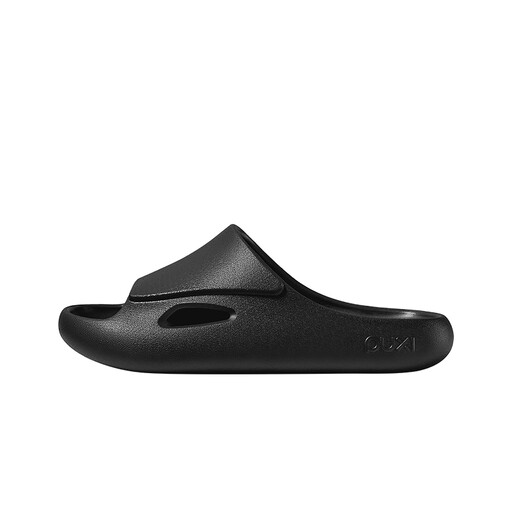
Why it suits this need: These EVA slides are designed for the bathroom, combining a moulded footbed with a textured wave-pattern tread.
The product description mentions drainage channels, deep grooves and textured granules on the sole. This helps prevent water from collecting only beneath the foot.
One-piece EVA construction, recessed footbed and a recommended foot length of 240 mm for EU 37–38.
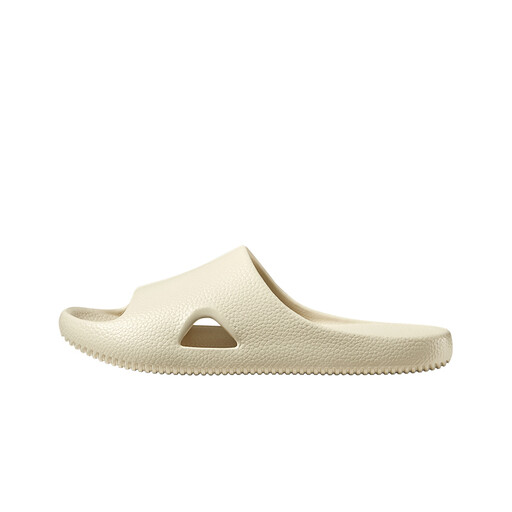
Why it suits this need: This style pairs a thin EVA sole with shaped foot support and side openings to help water drain away and air circulate.
Side drainage holes reduce the chance of water pooling inside the shoe. You should still check the fit against your foot length.
One-piece design, textured surface, slightly raised front and stated arch support.
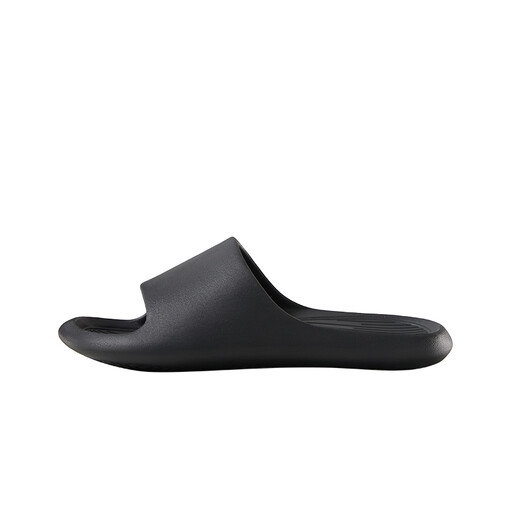
Why it suits this need: According to the product description, the roomy banana-boat shape is designed for wider or broader feet and is suitable for home, the garden and leisure time.
The wider shape addresses a common fit issue. The textured footbed and raised toe area are additional design features.
One-piece EVA construction, roomy fit, grid-pattern footbed described as water-repellent and a lightweight design.
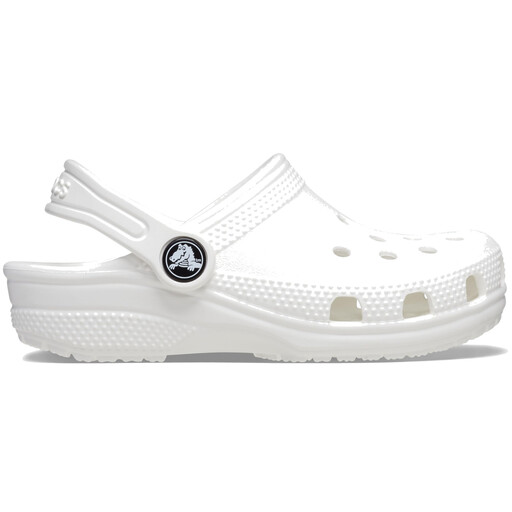
Why it suits this need: This children’s clog has ventilation holes, a pivoting heel strap and an easy-care design for indoor and outdoor use.
The adjustable strap can help prevent a loose fit. The ventilation holes promote airflow, but they’re no substitute for choosing the right size.
Children’s sizes from EU 28/29 to 38/39, ventilation holes and a stated slip-resistant outsole.
We’ve put together a complete, regularly updated list of products that fully meet these strict selection criteria and the safety regulations in force in the EU.
Rinse your EVA water shoes with clean water after a trip to the beach or outdoor swimming pool. Otherwise, sand, salt and chlorine can become trapped in the tread and footbed. Leave the shoes to dry in a well-ventilated spot out of direct sunlight. Heat sources such as radiators or strong, direct sunshine can warp the material.
If you wear them every day, check the soles regularly. Replace the shoes if the tread is visibly worn down, the fit feels unstable or the surface is cracked. There’s no set lifespan, as factors such as body weight, surface, frequency of wear and care all affect how long they last.
Styles with a textured tread and drainage can be suitable for bathrooms. Even so, check the surface you’ll be walking on and remove any soap residue. No shoe can guarantee a secure grip on every surface.
Measure your foot while standing and compare the result with the size chart for the specific style. If your feet are noticeably different in size, go by the longer foot. Depending on the seller, you may want to consider a larger size for a looser fit, but it shouldn’t be so loose that the shoe slips off.
Rinse them with lukewarm water. If needed, use a mild cleaning product and a soft brush. Then leave them to dry in the shade. Solvents, high heat and harsh cleaners can affect the material and colour.