
Lieferung heute & morgen

Qualitätsgarantie

Willkommens-Angebote freischalten: KOSTENLOSE Lieferung | Bis zu 80 % RABATT | Kostenlose 30-Tage-JoyPlus-Testphase
App herunterladen
A clear, refined complexion is often the goal of a well-considered skincare routine. An exfoliating cleansing gel, which combines cleansing and exfoliation in a single step, seems like an efficient solution. However, the market is flooded with products whose promises often create more confusion than clarity. Incorrectly chosen products can weaken the skin barrier and even worsen existing problems like blemishes or sensitivity.
As your Joybuy Product Recommendation Officer, I'll help you identify the key features and avoid common purchasing pitfalls. This guide is based on objective product characteristics, enabling you to make an informed decision that meets your skin's needs.
Before we turn to the solutions, it's important to understand the most common issues that lead to the wrong purchase.
To avoid these pitfalls, focus on two verifiable criteria. These will help you objectively assess product performance and find a cleansing gel that can refine your complexion without stressing it.
An exfoliating cleanser works in one of two ways to remove dead skin cells. The choice of method is crucial for compatibility and efficacy.
A good facial exfoliant in a gel wash format should not dry out the skin. The formula must strike a balance between effective cleansing and replenishing moisture.
Based on these objective criteria, we have identified several products that represent a considered choice for specific user profiles.
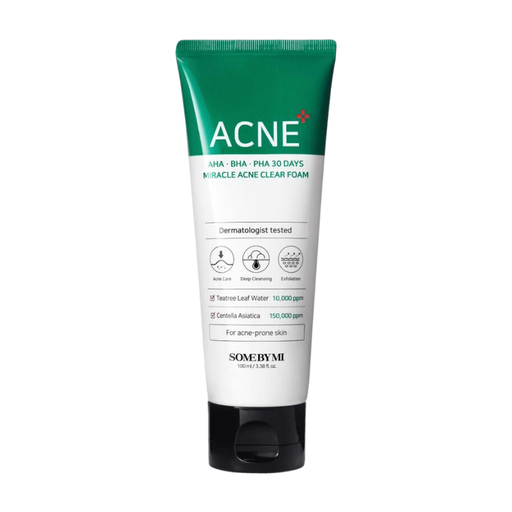
Why This Fits Their Persona: Ideal for those who want to specifically target blemishes and clogged pores. The combination of the three acid types offers a multi-layered approach to improving skin texture and is a great introduction to the world of chemical exfoliants.
Instead of relying on a single, potentially irritating acid, this product uses a balanced blend of AHA, BHA, and PHA. This bypasses the "wrong acid type" trap by working both on the surface and within the pores, while PHA provides a gentler component.
Contains 5,000 ppm of Salicylic Acid (BHA) for effective pore cleansing and is supplemented with the Truecica complex, featuring Centella Asiatica, to soothe the skin.
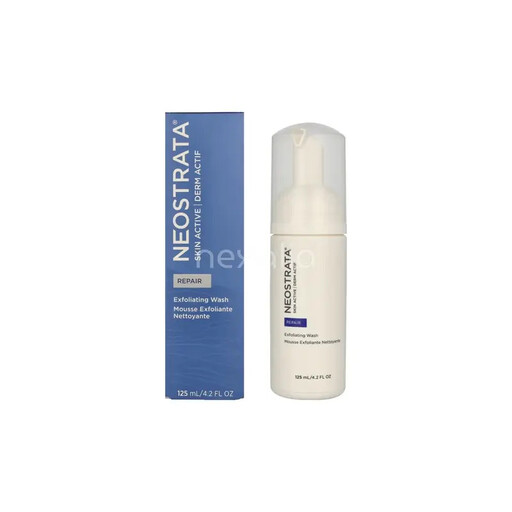
Why This Fits Their Persona: Suitable for individuals with sensitive, reactive, or mature skin who are looking for effective yet gentle exfoliation. The formulation aims to refine the skin's texture without provoking the typical irritation of stronger acids.
This cleansing wash avoids the harsh acid trap by specifically using PHAs (Gluconolactone & Maltobionic Acid). These are considered significantly gentler than AHAs, making them a thoughtful choice for sensitive skin types who don't want to miss out on chemical exfoliation.
The soap-free formula cleanses without drying out the skin. A botanical complex of aloe, chamomile, and cucumber provides additional soothing and refreshing effects.
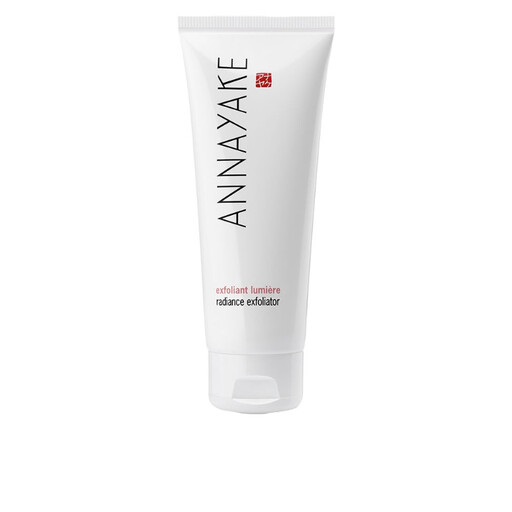
Why This Fits Their Persona: For users who prefer the sensation of a physical exfoliant but are concerned about skin irritation. This product is designed for all skin types, including sensitive skin, and offers a controlled, gentle exfoliation.
This gel avoids the harsh particle trap by using a combination of Diatomaceous Earth and Cellulose. These fine particles allow for an effective yet gentle mechanical cleanse without the risk of micro-tears.
The formula is enriched with nourishing ingredients like Aloe Vera Leaf Juice Powder to support and hydrate the skin during exfoliation.
We have compiled a complete, up-to-date list of products that fully meet these strict selection criteria and safety standards.
1. How often should you use an exfoliating cleansing gel? The frequency of use depends heavily on the product and your skin type. Mild formulations, especially those with PHAs, can be used daily by some skin types. For stronger chemical peels or most mechanical scrubs, use is recommended one to three times per week. Always follow the manufacturer's instructions on the packaging and start with less frequent use to observe your skin's reaction.
2. Can I use an exfoliating cleansing gel on sensitive skin? Yes, but choosing the right product is crucial. Specifically look for an exfoliant for sensitive skin. Formulations with PHAs (Poly-Hydroxy Acids) or enzymatic peels are often a good choice. For mechanical exfoliants, you should opt for products with very fine, rounded particles like jojoba beads. Always perform a patch test in an inconspicuous area, such as behind the ear, before the first application on your face.
3. Do I need to use sunscreen after using a fruit acid peel wash? Yes, absolutely. Acids like AHA and BHA remove the top layer of dead skin cells, making the new skin underneath more sensitive to the sun. Daily use of a broad-spectrum sunscreen with a high SPF (SPF 30 or higher) is essential to protect the skin from UV damage and maintain the positive effects of the exfoliation.