
Lieferung heute & morgen

Qualitätsgarantie

Willkommens-Angebote freischalten: KOSTENLOSE Lieferung | Bis zu 80 % RABATT | Kostenlose 30-Tage-JoyPlus-Testphase
App herunterladen
Exfoliating face pads combine a ready-to-use skincare formula with a simple application. Even so, not every pad suits every skincare routine. Some products contain several acids, while others use PHA, enzymes or simply a soft pad material. If you focus only on claims such as “glow”, “refined pores” or “deep cleansing”, it’s easy to overlook important differences.
AHA, BHA and PHA describe different groups of exfoliating ingredients. However, you can’t tell how strong a product will be in everyday use from the ingredient list alone. Factors such as concentration, pH, contact time and the rest of the formula all play a part.
With AHA BHA PHA pads, check the full INCI list and the directions for use. A pad containing several acids isn’t necessarily suitable for daily use.
An embossed pad can create more friction than a smooth one. This may be useful when applying it to the T-zone, but it won’t suit every skincare routine. Avoid exfoliating if your skin is red, stinging or damaged.
The material quality matters too: a pad that sheds fibres, frays or tears when wiped across the skin can make it harder to apply the product evenly. Soft, smooth fibres are often a more practical choice for dry or sensitive skin.
Face toner pads may be designed mainly to distribute skincare products and refresh the skin. Exfoliating face pads, on the other hand, often contain acids, enzymes or other smoothing ingredients. Facial cleansing pads may be intended for removing make-up or for an additional cleanse.
Before you buy, be clear about whether you’re looking for a product to:
Look for the specific ingredients listed. AHA products may contain glycolic acid, lactic acid or citric acid, for example. BHA is often listed as salicylic acid or betaine salicylate. PHA includes ingredients such as gluconolactone and lactobionic acid.
The recommended frequency of use should suit the formula. Products with stronger combinations of acids are generally used less often than mild toner pads. When trying a new product, start by using it less frequently and follow the manufacturer’s instructions. If you use an acid-based product, it’s a good idea to wear sun protection during the day, as your skin may become more sensitive to sunlight.
Check whether the pad:
With dry pads such as Unicharm Silcot Uruuru Sponge Facial Cotton, you apply the lotion or essence yourself. According to the product description, the pads are made from 100% cotton and can be split into two thinner layers. This means you can use them to apply skincare or for a short, targeted application. However, they aren’t pre-soaked with an exfoliating ingredient.
If you have sensitive skin, pay particular attention to fragrance, alcohol and products with a high number of active ingredients. Even a product described as “mild” may contain several skincare or exfoliating ingredients.
Avoid using several strong active products together. These include exfoliating pads alongside retinoids, other acid exfoliants or highly concentrated vitamin C products. If irritation persists or you experience swelling or intense stinging, stop using the product and seek advice from a dermatologist.
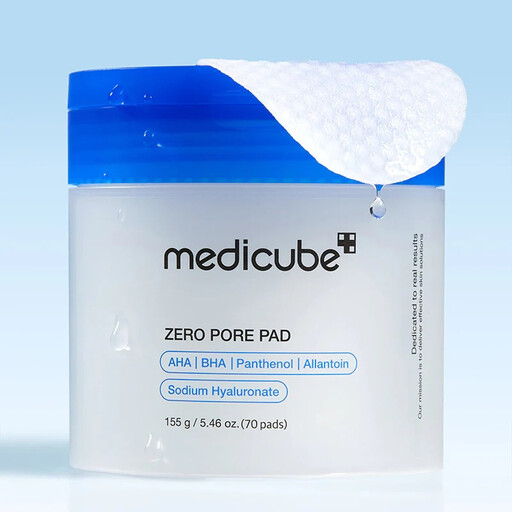
Why this product suits this profile: The pack contains 70 pads and is designed for gentler use with PHA. The two sides of each pad let you start with the textured side and follow with the smooth side.
The “Mild” label doesn’t replace checking the ingredients, but here it’s backed up by the stated PHA approach and clear instructions. A patch test is a good idea if you have sensitive skin.
70 pads, a dual-texture design and listed ingredients including panthenol and purslane extract.
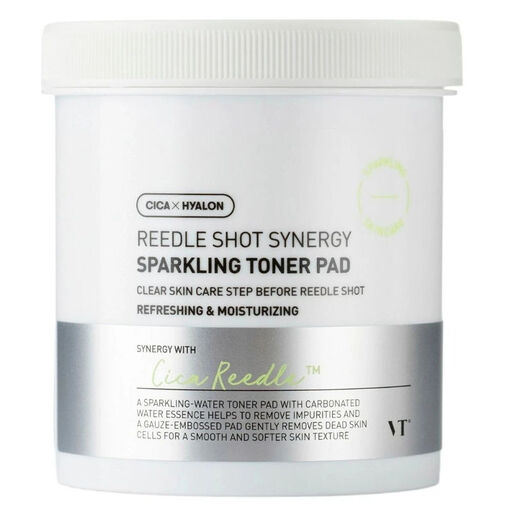
Why this product suits this profile: These pre-soaked Korean toning pads are designed for a straightforward post-cleanse routine and come with 80 pads in the pack.
The instructions are clear: wipe over cleansed skin, avoid the eye area and don’t rinse off. Check the packaging for the full INCI list before buying.
80 pre-soaked pads, made in South Korea according to the product information, in a time-saving format.
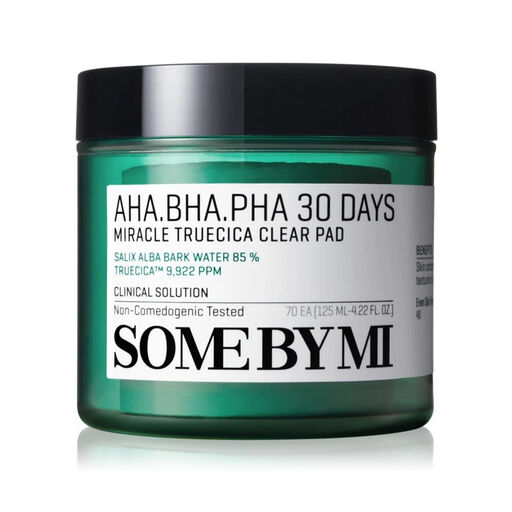
Why this product suits this profile: The combination of AHA, BHA and PHA is aimed at people looking for a multi-purpose pad with both a textured and a smooth side.
The product information lists the acid groups and a betaine salicylate concentration of 0.5%. As the formula contains active ingredients, build up use gradually and avoid combining it indiscriminately with other active products.
70 pads, two different sides and listed ingredients including Centella asiatica extract, panthenol and allantoin.
We’ve put together a complete, regularly updated list of products that meet these strict selection criteria and fully comply with the safety regulations in force in the EU.
Dispose of pads after the recommended use. Keep the tub closed to stop the liquid from evaporating and the remaining pads from drying out.
It depends on the formula and how well your skin tolerates it. The manufacturer may recommend using mild toner pads more frequently, while acid-based exfoliating pads are often used two or three times a week to start with. Follow the instructions on the packaging and pay attention to how your skin reacts.
Some products are specifically designed for gentler use, such as PHA pads. However, this label doesn’t guarantee that a product will suit everyone. Check for fragrance, alcohol and combinations of acids, and do a patch test before using the product for the first time.
Check the best-before date, batch number and, where provided, the recommended period of use after opening. Close the tub immediately after taking out a pad. If the product’s smell, colour, texture or moisture level changes noticeably, stop using it.