
Lieferung heute & morgen

Qualitätsgarantie

Willkommens-Angebote freischalten: KOSTENLOSE Lieferung | Bis zu 80 % RABATT | Kostenlose 30-Tage-JoyPlus-Testphase
App herunterladen
A clear, even complexion is a common skincare goal. An exfoliating serum can be an effective tool for removing dead skin cells, refining pores, and brightening your complexion. However, the market is saturated with products whose marketing claims often create more confusion than clarity. Choosing the right serum requires an understanding of its active ingredients and your own skin's needs. This guide will help you identify the key factors and avoid common purchasing pitfalls.
Before you make a decision, it's important to recognise common misconceptions and exaggerated marketing claims. These three points frequently lead to poor purchases and skin irritation.
To find the right product, you should understand three technical aspects. These will help you evaluate product descriptions objectively.
Choosing the right type of acid is crucial for success. Each type works differently and is suited for various skin concerns.
An AHA BHA serum combines the surface-smoothing effects of AHAs with the pore-clearing power of BHAs, making it suitable for combination or more resilient skin types.
Exfoliating serums can be divided into two main categories with fundamentally different application methods.
The effectiveness of an acid peel is highly dependent on the formulation's pH value. A lower pH (ideally between 3 and 4) ensures that more "free acid" is available to actively work on the skin. At the same time, the potential for irritation increases as the pH decreases. A good formulation balances this with soothing and hydrating ingredients to protect the skin barrier.
Here are some product recommendations tailored to specific needs and experience levels.
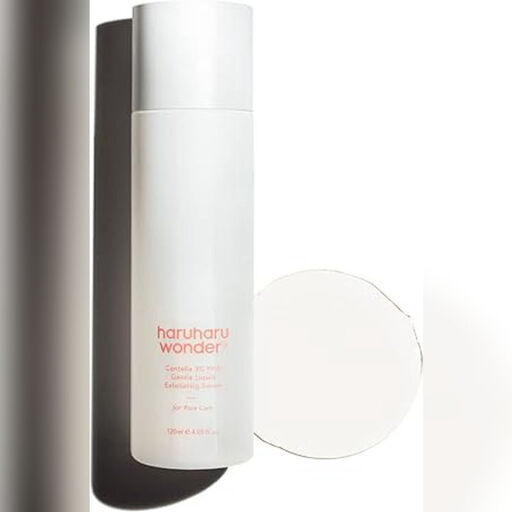
Why it's a good fit: Ideal for those new to chemical peels or with very reactive skin. The formulation is designed for maximum tolerability, enabling a gentle yet steady improvement in skin texture without aggressive action.
It debunks the "higher is better" myth by using 3% PHA, a gentle acid. It's also enriched with soothing Centella Asiatica, highlighting its focus on a balanced formulation.
Gentle exfoliation with PHA, ideal for sensitive skin. Hypoallergenic and vegan formula with skin-soothing properties.
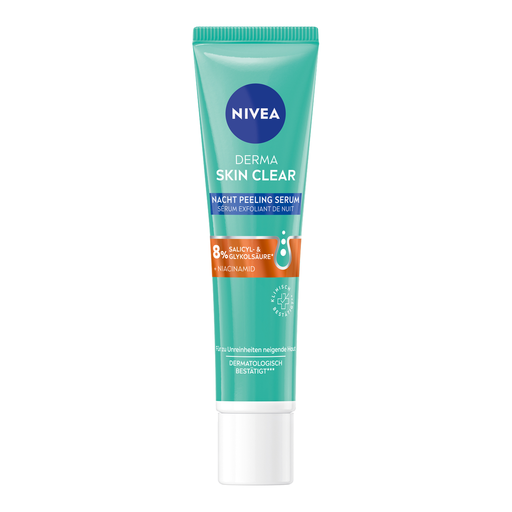
Why it's a good fit: Designed for individuals with blemish-prone skin who need an effective pore-refining serum for overnight use. The combination of active ingredients directly targets the causes of blemishes and enlarged pores.
It avoids the "one-size-fits-all" assumption by clearly targeting blemish-prone skin. The formulation with 8% Salicylic and Glycolic Acid plus Niacinamide is a proven combination for this specific skin concern.
Combines AHA and BHA to fight blemishes and refine pores. Niacinamide supports the skin barrier and provides a calming effect.
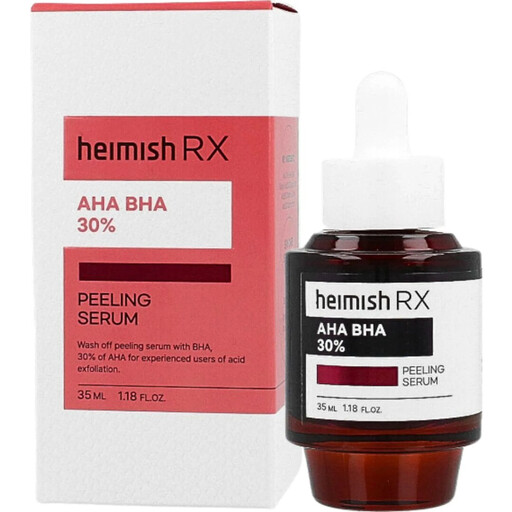
Why it's a good fit: This high-potency acid peel is intended for experienced users seeking an intensive treatment to renew skin texture and deep-clean pores. It is designed as a rinse-off product for controlled, weekly use.
Although it features a high concentration of 30% AHA and BHA, it is designed as a rinse-off product, which minimises the risk of overuse. The formula also contains a soothing complex of hyaluronic acid, niacinamide, and panthenol.
High-concentration formula for an intensive weekly treatment. Combines surface and deep exfoliation with soothing active ingredients.
We have compiled a complete, up-to-date list of products that fully meet these strict selection criteria and all applicable safety regulations.
1. How often should you use an exfoliating serum? The frequency of use depends on the product's concentration and your individual skin tolerance. For low-concentration leave-on products, starting with two to three times a week is a good baseline. High-concentration rinse-off peels should initially be used no more than once a week. Monitor your skin closely and adjust the frequency if you notice any signs of irritation.
2. Do I need to use sunscreen after a chemical peel? Yes, absolutely. Acids like AHA, BHA, and PHA remove the top layer of dead skin cells, making the new skin underneath more sensitive to UV radiation. Daily use of a broad-spectrum sunscreen with a high SPF (at least 30, preferably 50) is therefore essential to prevent sun damage and hyperpigmentation.
3. Can I combine an exfoliating serum with other active ingredients like retinol or vitamin C? Caution is advised here. Using multiple potent active ingredients at the same time can overwhelm the skin barrier and lead to irritation. A common recommendation is to alternate their use, for example, using the exfoliating serum one evening and retinol the next. Vitamin C, due to its antioxidant properties, is often applied in the morning, while acids and retinol are typically recommended for the evening routine.
Written by: Joybuy Product Recommendation OfficerDate: 07/28/2026