
Lieferung heute & morgen

Qualitätsgarantie

Willkommens-Angebote freischalten: KOSTENLOSE Lieferung | Bis zu 80 % RABATT | Kostenlose 30-Tage-JoyPlus-Testphase
App herunterladen
An exfoliating toner can be a useful addition to a skincare routine for blemish-prone, oily or congested skin. Unlike a classic toner that focuses solely on hydration, an exfoliating toner contains acids such as AHA, BHA or PHA. Depending on the formulation, these help remove dead skin cells and surface residue.
Choosing one isn’t just about the brand’s image, though. Some products are marketed as an everyday solution for every skin concern, even though alcohol, fragrance or using them too often can put stress on your skin. Checking the ingredients, directions for use and how well your skin tolerates the product can help you avoid a purchase you regret.
A toner for congested pores can remove excess oil and residue from the skin’s surface. However, the appearance of pores is also affected by genetics, skin type and oil production. So terms such as pore-refining toner usually describe how your skin looks after use, rather than a lasting change in pore size.
AHA, BHA and PHA have different properties:
An AHA/BHA toner isn’t automatically suitable for daily use. What matters is the specific formula, type of acid, concentration and how your skin responds.
“Morning and evening” isn’t the right frequency for every skin type or every BHA toner. If you’re new to exfoliating toners, it may be best to start by using one once or twice a week. Stop using it if you experience stinging, marked redness, persistent dryness or flaking. Don’t apply an exfoliating toner to broken, sunburnt or severely irritated skin.
A salicylic acid toner is often chosen for oily skin and skin with pores that appear congested. BHA products may suit a routine aimed at reducing excess oil and surface build-up. A toner with both AHA and BHA combines several groups of acids, so it’s best to introduce it with particular care.
If your main concern is rough skin texture, you could consider a product containing AHA. For sensitive or dry-prone skin, look for moisturising and soothing ingredients such as glycerin, panthenol or allantoin.
The full INCI list gives you more useful information than the front of the packaging. Alcohol Denat. features near the top of the list in some exfoliating toners, which can feel drying or irritating for some people. Witch hazel, essential oils and fragrance may also not suit every skincare routine.
Formulas can change, so always check the ingredients listed on the packaging. If you have any known allergies, check the relevant ingredients carefully before buying.
A 50 ml toner is a handy size to try or take on holiday, while bottles of 150 to 400 ml may be intended for regular use. A larger bottle is only good value if your skin tolerates the product well and you can use it within the recommended period after opening.
When using AHA and BHA products, it’s important to wear broad-spectrum sunscreen during the day. The manufacturer may also advise limiting sun exposure while using the product and for a set period afterwards.
The selection below matches products to different everyday needs based on their listed acids, ingredients, size and directions for use.
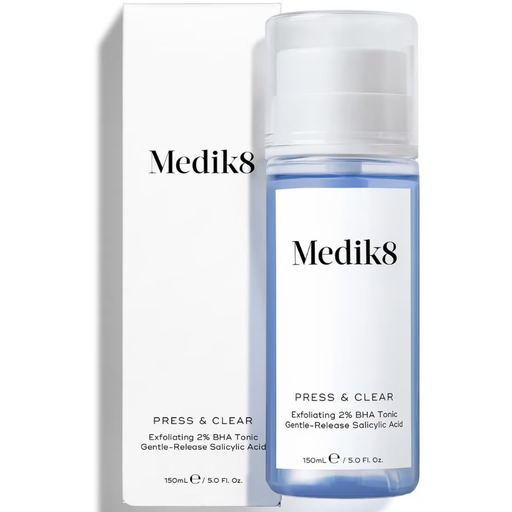
Why this product suits this profile: The stated 2% salicylic acid concentration makes it easier for shoppers who value clear product information to assess the formula.
The product information specifies 2% encapsulated salicylic acid and recommends using it in the evening. This supports a measured routine, rather than jumping straight into using it twice a day.
2% BHA, tranexamic acid, aloe vera leaf juice and a lightweight toner texture, according to the product information.
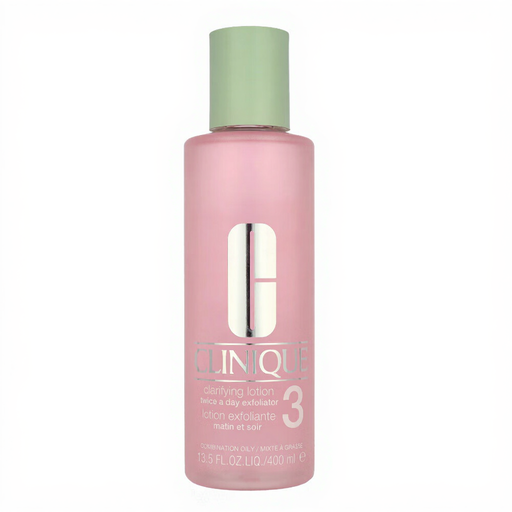
Why this product suits this profile: The 400 ml size is designed for regular use, and the product description says it is for combination to oily skin.
The product description explicitly lists salicylic acid and Alcohol Denat. This gives you the chance to check in advance whether these ingredients suit your skincare routine.
400 ml, a BHA-containing formula and fragrance-free, according to the product information.
We’ve put together a complete, regularly updated list of products that meet these strict selection criteria and fully comply with the safety regulations in force in the EU.
Don’t use several strong exfoliants at the same time. Take care when combining the toner with retinoids, other acids or harsh cleansers, too. If you have persistent skin concerns, severe inflammation or are unsure how to use the product, it may be worth seeking advice from a dermatologist.
It depends on the formula and how well your skin tolerates it. Some products are designed for frequent use, while others should initially be used only once or twice a week. Follow the manufacturer’s directions and pay attention to how your skin responds.
AHA is mainly associated with surface exfoliation. BHA, particularly salicylic acid, is often chosen for oily skin and pores that appear congested. A toner containing both AHA and BHA combines the two groups of acids, but this can also make it more challenging to use.
The best-before date, batch number and, where applicable, the period-after-opening symbol can be found on the packaging. Once opened, store the toner in a cool, dry place away from direct sunlight. If its smell, colour or consistency changes noticeably, stop using it.