Exfoliation can be a crucial step on the path to a refined complexion. However, the market is flooded with products that promise quick results but don't always deliver. The wrong ingredients or an unsuitable method can irritate the skin more than they help. This guide will help you avoid the most common purchasing pitfalls and make an informed decision based on objective criteria and your skin's needs.
The 3 Most Common Traps When Buying an Exfoliant
Before you invest in a new product, you should be aware of these widespread marketing traps that often lead to disappointment and skin irritation.
- The "Natural is Gentler" Trap: Products that advertise "natural" abrasive particles like crushed nutshells or apricot kernels are not automatically a good choice. These particles often have sharp, irregular edges that can cause micro-tears on delicate facial skin. This can weaken the skin barrier and lead to redness and inflammation.
- The "More is More" Fallacy with Acids: A chemical peel with a high concentration of acids promises intensive results but can be too aggressive for inexperienced users or sensitive skin types. Overuse can damage the skin's protective barrier instead of renewing it, leading to persistent dryness and sensitivity.
- The Overloaded Multi-Function Device: An ultrasonic peel device that is simultaneously marketed as a massage tool, iontophoresis aid, and light therapy device may compromise on its core function—mechanical exfoliation. Often, the performance in each individual mode is insufficient to achieve a visible effect.
What Really Matters: The Core Parameters for Your Selection
To find the right product, focus on these three decisive factors. They will help you see through the marketing promises and evaluate the true suitability of an exfoliant.
1. The Exfoliation Method: Mechanical, Chemical, or Enzymatic?
The way dead skin cells are removed is the most important distinguishing factor.
- Mechanical Exfoliation: Here, exfoliation occurs through physical friction. This includes classic scrubs (body scrub, in-shower scrub) with particles like sugar, salt, or jojoba wax, as well as devices like a skin scrubber. The shape and size of the abrasive particles are crucial: round, fine particles are gentler. This method is well-suited for the body but requires special care on the face.
- Chemical Exfoliation: This method uses acids to dissolve the bonds between skin cells. The most well-known are AHA (Alpha Hydroxy Acids) like glycolic acid, which work on the skin's surface to enhance radiance, and BHA (Beta Hydroxy Acids) like salicylic acid. BHA is oil-soluble and penetrates deep into the pores, making it a great choice as a peel for acne and as a blackhead remover. A fruit acid peel also falls into this category.
- Enzymatic Exfoliation / Gommage: This is often the gentlest method. Enzymes, frequently derived from fruits, break down the proteins of dead skin cells. A peeling gel with a gommage effect forms small rolls when massaged in, which bind and lift away dirt and skin flakes.
2. Matching the Product to Your Skin Type
Not every active ingredient is suitable for every skin type. The choice of ingredients should be based on your individual skin condition.
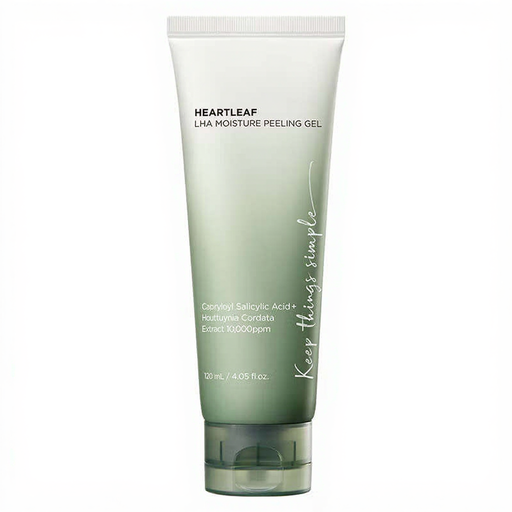
- Exfoliants for Sensitive Skin: Look for gentle formulations. Enzyme peels, gommage gels, or chemical peels with LHA (Lipo Hydroxy Acid), a particularly mild form of salicylic acid, are often well-tolerated. Soothing ingredients like Heartleaf extract or Panthenol are an added benefit.
- Exfoliants for Dry Skin: Moisturising ingredients are key here. Peels with hyaluronic acid, glycerin, or nourishing oils help keep the skin supple during exfoliation and prevent feelings of tightness.
- Exfoliants for Oily and Blemish-Prone Skin: BHA (salicylic acid) is the active ingredient of choice here. It regulates sebum production and cleanses pores from within. Peels with clay can also help absorb excess oil.
3. Application Frequency and Method
Less is often more. Over-exfoliating is one of the most common mistakes in skincare and can cause long-term damage to the skin barrier. Strictly adhere to the manufacturer's recommendations. An intensive body scrub might only be needed once a week, while a gentle facial peel gel could be used two to three times a week.
Recommendations By Profile Type
Based on the criteria above, we have compiled a selection of products suitable for different needs and skin types.
MATCH FOR: Beginners with Sensitive Skin
Why This Fits Their Persona: Ideal for those new to the world of exfoliants or who have very reactive skin. The gommage texture and gentle LHA acid provide controlled exfoliation without harsh particles, while the Heartleaf extract soothes redness.
How It Avoids the Trap
It bypasses the trap of aggressive "natural" scrubs by relying on a combination of gentle chemical (LHA) and mechanical (cellulose gommage) exfoliation that protects the skin barrier.
Key Advantage & Pros
Combines mild exfoliation with moisturising and soothing properties, leaving the skin soft and hydrated after use.
MATCH FOR: Users Focused on Body Care
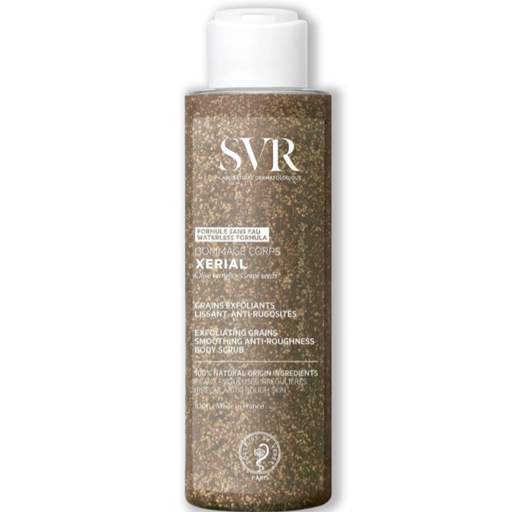
Why This Fits Their Persona: Perfect for individuals dealing with rough skin, dry patches, or ingrown hairs on the body. This scrub is specifically designed for the thicker skin on arms, legs, and other body parts.
How It Avoids the Trap
It is clearly positioned as a body scrub, thus avoiding the risk of using unsuitable particles on the face. The abrasive particles from olive and grape seeds are optimised for use on the body.
Key Advantage & Pros
A dermatologically developed formula that specifically targets issues like Keratosis Pilaris (chicken skin). According to the manufacturer, 100% of users observed a reduction in small bumps after 28 days.
MATCH FOR: Tech-Savvy Users with Blemishes
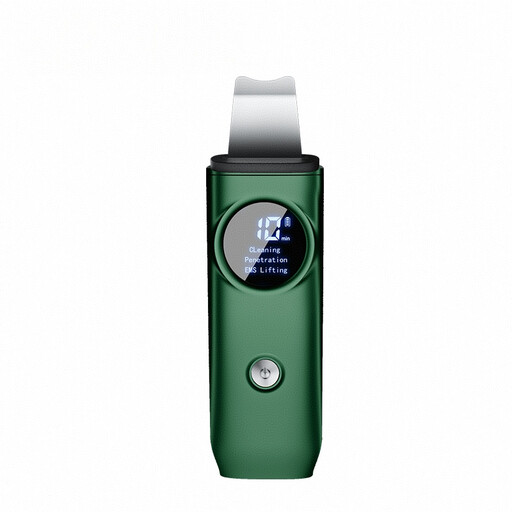
Why This Fits Their Persona: For users seeking a modern, chemical-free method for deep pore cleansing. The device uses high-frequency vibrations to atomise water, thereby dislodging impurities, sebum, and blackheads from the pores.
How It Avoids the Trap
This device focuses on the core function of ultrasonic peeling, avoiding the trap of overloaded multi-function gadgets. The safety instructions emphasise correct use on damp skin to prevent irritation.
Key Advantage & Pros
Enables a deep pore cleanse and blackhead removal without the use of acids or abrasive particles, making it an alternative for those who are sensitive to chemical peels.
Looking for more options?
We have compiled a complete, up-to-date list of products that fully meet these strict selection criteria and all applicable safety regulations.
Frequently Asked Questions (FAQ)
1. How often should you exfoliate?
The frequency heavily depends on the product type and your skin condition. As a general guideline:
- Intensive mechanical body scrubs: 1-2 times per week.
- Gentle chemical face peels (e.g., gels, pads): 2-3 times per week, depending on tolerance.
- Stronger acid peels (higher concentrations): Often only once a week or less. Always observe your skin's reaction and follow the manufacturer's instructions to avoid over-exfoliation.
2. Can I use a body scrub on my face?
This is strongly discouraged. The skin on your face is significantly thinner and more sensitive than on your body. A body scrub often contains larger and coarser abrasive particles (e.g., salt crystals) that can cause micro-injuries and irritation on the face. Always use a facial peel specifically designed for this purpose.
3. What is the difference between AHA, BHA, and LHA?
These abbreviations stand for different types of hydroxy acids used in chemical peels:
- AHA (Alpha Hydroxy Acid): Is water-soluble and works on the skin's surface. It is ideal for refining skin texture, reducing dullness, and achieving smooth skin. Examples include glycolic acid and lactic acid.
- BHA (Beta Hydroxy Acid): Is oil-soluble and can therefore penetrate pores to dissolve sebum and blockages. Salicylic acid is the most well-known BHA and is excellent for blemish-prone skin.
- LHA (Lipo Hydroxy Acid): Is a derivative of salicylic acid. It penetrates the skin more slowly and works at a more skin-friendly pH, making it a particularly gentle option for sensitive skin.