
Lieferung heute & morgen

Qualitätsgarantie

Willkommens-Angebote freischalten: KOSTENLOSE Lieferung | Bis zu 80 % RABATT | Kostenlose 30-Tage-JoyPlus-Testphase
App herunterladen
An exfoliator for face and body can lift away dead skin cells, smooth rough patches and complement your daily skincare routine. What matters, though, isn’t a flashy marketing claim, but the right combination of active ingredients, intended use and skin compatibility. A face exfoliator isn’t automatically suitable for your knees, feet or entire body.
A high acid concentration or coarse exfoliating grains can cause redness, tightness or irritation if used incorrectly. If you’re looking for an exfoliator for sensitive skin, start with gentle formulas, short application times and infrequent use.
Pore strips can visibly remove surface build-up, but they won’t permanently change the size of your pores. A BHA exfoliator for blackheads may be an alternative skincare option, as formulas containing salicylic acid target excess oil and dead skin cells. Results depend on your individual skin and regular use that your skin can tolerate.
Body scrubs often contain larger particles than face exfoliators. Exfoliating brushes and pore vacuums with ultrasound should also be used without applying strong pressure. When using devices, your skin must be damp; according to the product information, the Qiweiny device is not waterproof and must not be used in the shower.
AHA, such as glycolic acid or lactic acid, is typically used for surface exfoliation. BHA, such as salicylic acid or betaine salicylate, is often chosen for oily skin and the appearance of clogged pores. An AHA BHA PHA exfoliator combines several types of acid. PHA is considered a particularly gentle group of acids and may be worth considering if your skin is more sensitive.
Concentration alone doesn’t determine whether a product is suitable. The pH, application time, frequency of use and other ingredients also matter. According to its instructions, products such as The Ordinary AHA 30% + BHA 2% Peeling Solution should only be used in the evening, no more than twice a week and for a maximum of ten minutes. A patch test is recommended.
Before buying, check the full INCI list, the best-before date and any warnings. How well you tolerate fragrance, essential oils or menthol can vary from person to person. After using acid-based products, it’s a good idea to wear sun protection during the day. Don’t apply exfoliators to broken, irritated or inflamed skin. If irritation persists, stop using the product and seek dermatological advice if necessary.
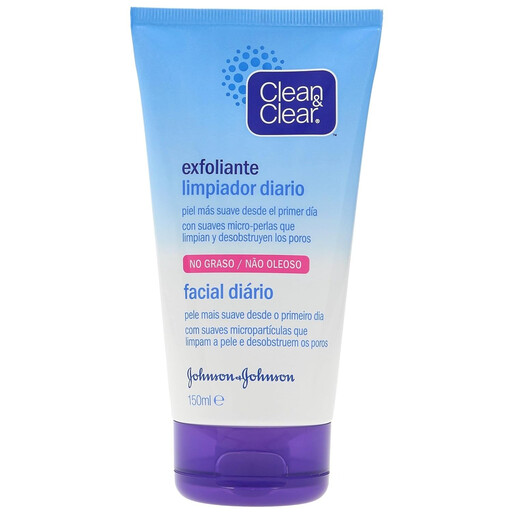
Why this product suits this profile: This 150 ml facial cleanser combines cleansing with gentle exfoliation in a gel texture. According to the product information, it’s designed for normal and oily skin, including skin prone to blemishes.
The product description states that it has an oil-free formula and specifically advises avoiding the eye area and stopping use if irritation occurs.
150 ml, a gel with microbeads, and salicylic acid listed in the INCI ingredients.
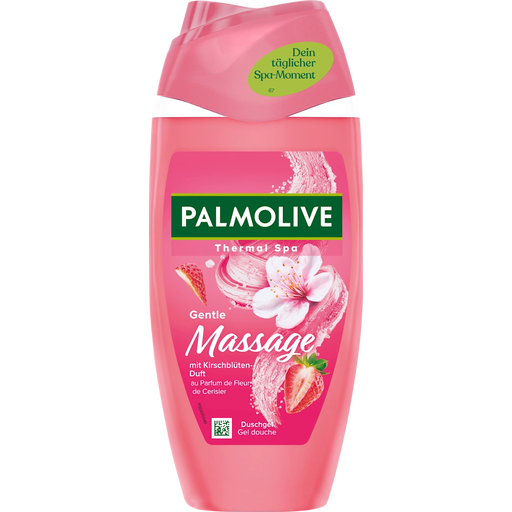
Why this product suits this profile: This body scrub is designed for use in the shower and can be added to your existing routine for rough patches on the body.
Its clear labelling as a body product helps prevent a coarse shower scrub from being used on the face by mistake.
250 ml, designed for body use, with a grainy texture that provides a massage effect according to the product description.
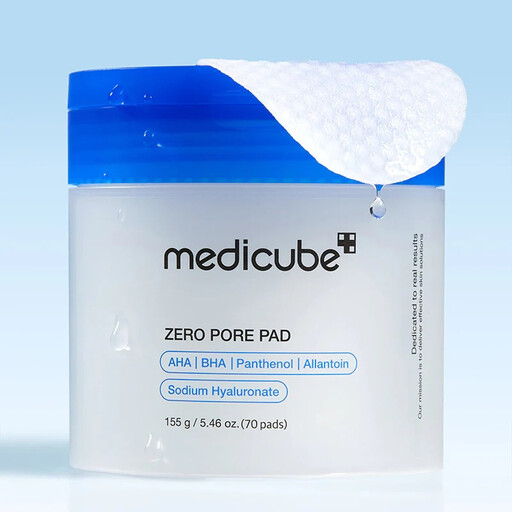
Why this product suits this profile: According to the product description, these exfoliating pads use PHA and feature two different textures: one textured side and one smooth side.
The two sides of each pad let you keep application gentle: use the textured side to apply, then the smooth side to finish.
70 pads, PHA as the stated acid group, plus panthenol and purslane extract listed in the product description.
We’ve put together a complete, regularly updated list of products that meet these strict selection criteria and comply fully with the safety regulations in force in the EU.
It depends on the product and your skin type. The manufacturer may recommend more frequent use for a gentle product, while stronger AHA or BHA formulas are often used only once or twice a week. Always follow the packaging instructions and pay attention to how your skin responds.
AHA is generally used to remove dead skin cells from the surface. BHA is often chosen for oily skin and the appearance of clogged pores. An AHA BHA PHA exfoliator combines these groups of acids, so it should be used with particular care.
As well as the best-before date, check the symbol showing how long the product lasts after opening. If you’re using a product with pads, close the jar securely to stop them drying out. Always follow the information on the product packaging rather than general recommendations.