For creating an exhibition catalogue at a shared desk, your laptop should suit the layout and image-editing software you actually use. Then consider screen size, storage and the ports you need for your existing monitor or dock. A larger display can make it easier to review double-page spreads on the laptop itself, while a lighter model may be more practical if you move between workstations. A stated wide colour gamut is no substitute for agreeing print settings with your printer.
Who is this laptop suited to?
Catalogue designers working with images
If you create page layouts and edit exhibition images, let the requirements of the specific layout and image-editing software you use guide your choice of device. Adobe lists different requirements for InDesign and Photoshop.
Designers using a shared workstation
If you share a desk, your laptop, monitor and available ports need to work together every time you use it. Check the ports on the exact laptop configuration and the dock you already have.
People responsible for print handover
If you’re handing the catalogue over to a printer or a team, assess what you see on screen separately from the print preparation. Adobe treats colour management for printing as a distinct step.
What should you consider when choosing?
Start with the requirements of the software versions you use, then check the display, peripherals and features you actually need.
The proportions below relate to consumers choosing a laptop for catalogue work at a shared desk.
| Consideration |
What to check before buying |
Who it matters most to |
| Layout and running multiple programmes |
For InDesign 2025 v20.4, Adobe specifies at least 8 GB RAM and recommends 16 GB. Photoshop 27.x requires 8 GB as a minimum and recommends at least 16 GB, plus 100 GB of available storage. Check the versions you actually use (Adobe). |
If I’m laying out pages while opening images or other programmes, I want everything to run smoothly. Around 31% of consumers would prioritise layout performance. |
| Reviewing images and preparing print files |
Compare the display size and resolution on the exact configuration. Adobe treats colour management for printing as a separate step; check file formats and colour requirements with your printer too. |
If I need to review images carefully and prepare files for print, I want to assess the screen and print process separately. Around 23% of consumers would prioritise image review and print checks. |
| Working at a shared desk |
Check that the laptop’s video outputs and charging requirements match your monitor or dock. A USB-C port alone doesn’t confirm that your existing peripherals are compatible. |
If I regularly move between workstations, desk space, portability and connecting my existing devices all matter. Around 31% of consumers would prioritise working at a shared desk. |
| The right features, not unnecessary extras |
Check your software requirements and what you actually need in terms of graphics, ports and accessories. Extra graphics performance isn’t automatically necessary for page layout alone. |
If my software and existing workspace can manage with a more basic setup, I don’t want to choose a higher-spec device just for the sake of it. Around 15% of consumers would prioritise suitable features over extra functions. |
Common selection mistakes
-
Assuming a wide display colour gamut means print-ready colours
Display specifications describe the screen’s capabilities; they don’t automatically guarantee the colours in the final printed result.
Compare display specifications for reviewing images, and check print requirements separately with your printer.
-
Choosing based only on a model range’s name
RAM, SSD storage and other features can vary between configurations in the same range.
Read the full specifications and check what’s included with the exact version you’re planning to buy.
-
Assuming you automatically need a dedicated graphics card for page layout
The requirements for layout and intensive image editing aren’t the same; extra graphics performance isn’t automatically needed for page layout alone.
Check the features you actually use against the requirements for the relevant software version.
Relevant brands at a glance
Lenovo
The German ThinkPad X9-15 Gen 1 configuration, with a 15.3-inch OLED display, 16 GB RAM and a 512 GB SSD, offers a useful comparison for layout work on a larger built-in screen.
- Lenovo Germany lists a resolution of 2880 × 1800 pixels and 100% DCI-P3 for configuration 21Q6CTO1WWDE2.
- The colour gamut figure is not independent proof of print colour accuracy; these specifications apply to this configuration, not the entire range.
Apple
The 14-inch MacBook Pro with M5 is a macOS option if you need ports for external displays and peripherals at a shared workstation.
- Apple Support Germany lists a P3 display, HDMI, SDXC and three Thunderbolt 4 ports for this model.
- Several RAM and SSD options are available, so check the exact configuration.
HP
The German HP ZBook Power 16 G11 configuration 86B28EA#ABD offers a useful comparison for a Windows workstation with a 16-inch display and dedicated graphics.
- HP lists 16 GB RAM, a 512 GB SSD, a WQXGA display and an RTX A500 for this configuration.
- The additional graphics hardware isn’t automatically necessary for catalogue layout alone.
Dell
The configurable Pro Max 16 Plus range is a Windows option if you specifically need additional processing power.
- Dell Germany describes a range of processor options for this series.
- Dell notes that changing the configuration may also affect other specifications. Don’t assume display, RAM or SSD details apply to other versions without checking.
Laptop models for catalogue work
These models suit a range of needs, from portable layout work at different workstations to reviewing images on a larger screen or more intensive image editing.
 No image available
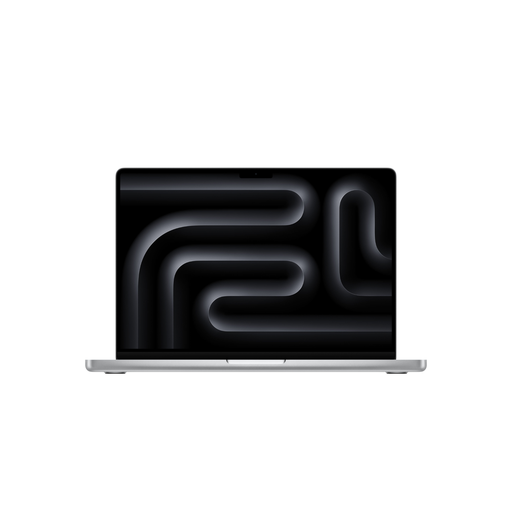
Apple MacBook Pro 16-inch (M5 Pro, 2026), 24 GB, German QWERTZ layout
For reviewing large numbers of images on the built-in screen, the product description lists a 16.2-inch display.
Resolution: 3456 × 2234 pixels. RAM: 24 GB. Ports: HDMI, SDXC and three Thunderbolt 5 ports. Weight: 2.14 kg.
View at Joybuy
 No image available
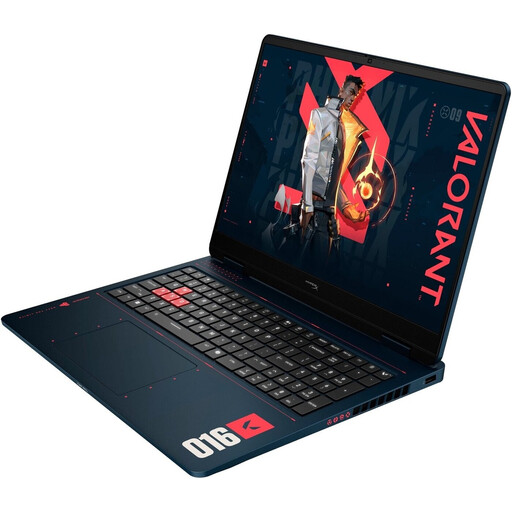
HP OMEN 16-ap1099ng, Ryzen 9 8940HX, 24 GB, 1 TB SSD, GeForce RTX 5070
If you do intensive image editing alongside layout work, this configuration with dedicated graphics is worth comparing with your software requirements.
Display: 16-inch WQXGA, 2560 × 1600 pixels. RAM: 24 GB. Ports: HDMI 2.1 and USB-C with DisplayPort. Weight: 2.43 kg. Operating system: Windows 11 Home.
View at Joybuy
 No image available
Lenovo ThinkPad E16 Gen 3 21ST, Ryzen 7 250, 32 GB, 1 TB SSD
For layout and editing at different workstations, this configuration offers a 16-inch screen and a stated weight of 1.71 kg.
Display: WUXGA, 1920 × 1200 pixels. RAM: 32 GB. Ports: HDMI 2.1 and USB4-C. Operating system: Windows 11 Pro.
View at Joybuy
 No image available
MSI Katana A15 AI B8VG459, Ryzen 9 8945HS, 16 GB, 1 TB SSD, GeForce RTX 4070
If your catalogue layout involves intensive image editing too, compare the listed graphics hardware with the requirements of your applications.
Display: 15.6-inch FHD. RAM: 16 GB. Ports: HDMI 2.1 and USB-C with DisplayPort. Weight: 2.25 kg. Operating system: Windows 11 Home.
View at Joybuy
 No image available
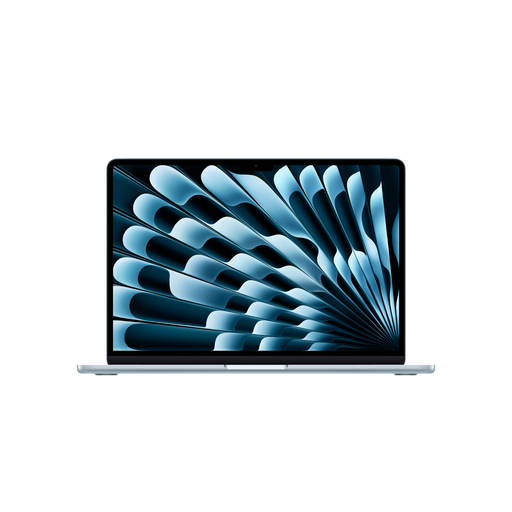
Apple MacBook Air 13-inch (M5, 2026), 16 GB, 512 GB SSD
For portable layout and editing, this lighter configuration is an option if you’d like to connect an external display at a shared workstation.
Display: 13.6 inches. RAM: 16 GB. Ports: two Thunderbolt 4 ports. The product description says it supports up to two external displays; weight is 1.23 kg. A power adapter is not included.
View at Joybuy
Frequently asked questions
Is 16 GB RAM essential for catalogue work?
Not in every case. For InDesign 2025 v20.4, Adobe specifies at least 8 GB and recommends 16 GB; Photoshop 27.x requires 8 GB as a minimum and recommends at least 16 GB. Check the requirements for the software versions you actually use.
Can I rely on my laptop display for print colours?
Display specifications alone don’t prove that the colours will match in print. Adobe describes colour management for printing as a separate step; check file and colour output requirements with your printer too.
Do I need a docking station at a shared desk?
Only if it works with your monitor and other devices and makes reconnecting them easier. Compare the video outputs and charging requirements of the exact laptop with the dock; a USB-C connector alone doesn’t confirm full compatibility.
What are my rights in Germany if my laptop is faulty or I buy it online?
For purchases made by consumers, statutory rights against the seller apply if a product is faulty; the EU’s Your Europe guidance states a minimum period of two years. These rights are separate from a voluntary manufacturer’s warranty. Consumers in Germany generally also have a 14-day right to cancel online purchases. For business purchases, don’t assume consumer rights apply without checking.


