
Lieferung heute & morgen

Qualitätsgarantie

Willkommens-Angebote freischalten: KOSTENLOSE Lieferung | Bis zu 80 % RABATT | Kostenlose 30-Tage-JoyPlus-Testphase
App herunterladen
An exoskeleton for hiking should be comfortable to wear while walking, support your movements and be suitable for longer distances on varied terrain. But when choosing a product, it’s important to look beyond terms such as ‘AI’, ‘robotic’ or ‘intelligent’. What really matters is clear information about performance, range, weight, fit and how to use it.
An 800 W exoskeleton sounds powerful at first. But the wattage alone doesn’t tell you how the device performs when walking uphill, on flat paths or downhill. Check the following too:
A stated range of 17.5 km should therefore be treated as a guide. Slopes, body weight, terrain, temperature and the selected support mode can all affect actual battery life.
A lightweight exoskeleton shouldn’t just look compact. Its weight affects how easy it is to put on, pack away and carry during breaks. Look for a specific weight, including the battery and accessories. Adjustable straps, freedom of movement around the hips and legs, and a secure fit without pressure points are just as important.
If exact measurements aren’t provided, check the product description and size suitability carefully before buying.
A wearable exoskeleton can support your walking, but it doesn’t replace suitable footwear, walking poles, weather protection or realistic route planning. Before setting off on a longer walk, take time to get familiar with the controls in a safe environment. Also check the fastenings, battery housing and charging ports.
If you have any health concerns or are unsure whether the product is suitable for you, seek individual medical advice. A product description is not a medical recommendation.
An intelligent exoskeleton should clearly explain how to select its modes. Different settings for walking on the flat, climbing hills or moving at a slower pace can be useful. With an exoskeleton for walking, it’s also important to know whether the support engages smoothly and can be adjusted easily while you’re on the move.
Check the following:
The advertised range of a long-range exoskeleton should always be considered alongside the conditions it was measured in. When planning walks in Germany, it’s also worth thinking about charging, transport and storage. Check whether the charger, battery and user manual are included.
Before buying, find out:
An exoskeleton for outdoor activities needs to sit securely on your body without unnecessarily restricting your natural stride. Adjustable straps and durable, skin-friendly contact surfaces are useful features. A good fit depends not just on your height, but also on your waist measurement, leg length and the clothing you wear.
You should also consider the device’s weight in relation to the planned duration of your walk. A short stroll calls for different things from a hike lasting several hours over changing terrain.
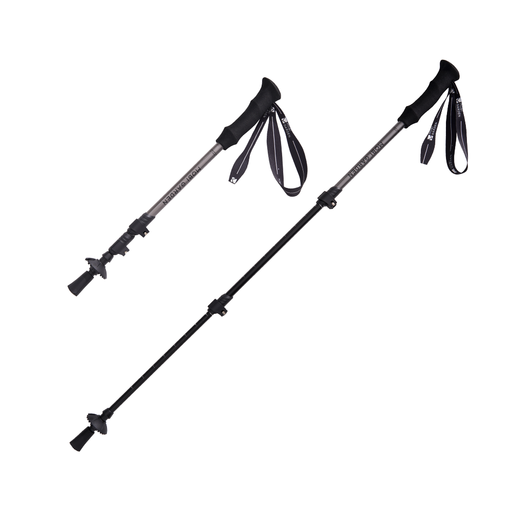
Why this product suits this profile: For walkers looking for simple support without a motor or battery. The pole is suitable for walking trails and can be packed away compactly.
There’s no need to plan for range or charging. The pole extends to a maximum length of 135 cm and packs down to 64 cm.
7075 aluminium, three sections, approximately 210 g per pole and an external flip-lock, according to the product details.
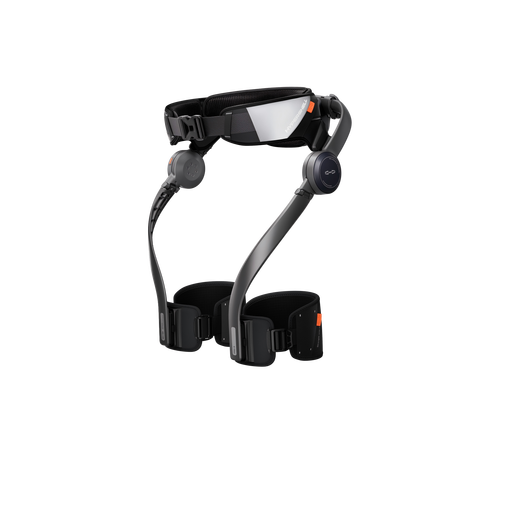
Why this product suits this profile: For users looking for a robotic exoskeleton with several support options for hiking, walking and outdoor activities.
The product details give specific figures for comparison: 800 W of leg assistance, a range of 17.5 km and ten intelligent modes. Check these figures against the terrain you plan to cover before buying.
Wearable design, several modes and a stated range, according to the manufacturer’s description. Check the detailed listing for weight, fit and charging accessories.
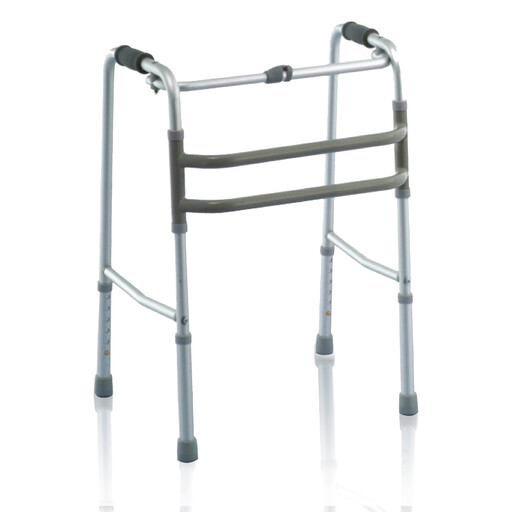
Why this product suits this profile: For people who need a height-adjustable walking aid for everyday use, travelling or short walks.
It doesn’t rely on a battery, software or range claims. The walker folds away and has several height settings.
Folding mechanism, height-adjustable handles and brakes, according to the product description. This model is a walking aid, not a motorised exoskeleton.
We’ve put together a complete, regularly updated list of products that meet these strict selection criteria and the safety regulations in force in the EU.
Start by reading the user manual, then adjust the straps, leg position and support mode while standing still. Next, test it over short distances on flat ground. Only head out on longer or uneven routes once you’re confident putting it on, taking it off and switching it off safely.
Battery life depends on the battery, support level, terrain, temperature and body weight. A stated range of 17.5 km is therefore not guaranteed for every walk. If you’re planning a longer trip, allow plenty of reserve and check the charging time and the manufacturer’s storage guidance.
As well as the purchase price, you may have electricity costs for charging, battery wear and replacement parts to consider. Before buying, check whether the battery and charger are included, what the warranty covers and whether key components are available separately.