
Same-day & Next-day Delivery

Quality Guaranteed

Unlock Your Welcome Offers: FREE Delivery | Up to 80% OFF | Free 30-day JoyPlus trial
Download the APP
The market for exotic drinks is booming, offering a fascinating variety of flavours from around the world. However, this vast selection can also lead to disappointment. Colourful bottles and enticing names don't always guarantee a high-quality product. Before you buy, it's helpful to know the most common pitfalls so you can make an informed decision.
A widespread issue is the sugar trap. Many beverages that advertise tropical fruits consist mainly of water, sugar, and artificial flavours, while the actual fruit content is negligible. Another point is "texture shock": buying a multipack of drinks with unfamiliar additions like jelly pieces can lead to a product that doesn't suit your personal taste. Finally, some brands promise an authentic experience but use only flavourings instead of real fruit puree, which doesn't justify the price.
This guide will help you navigate these hurdles and find products that deliver on their promises.
To ensure you're getting a product of satisfactory quality, you should check three core aspects. These parameters will help you correctly interpret the information on the label and make a conscious choice.
In the EU, there are clear legal definitions that provide insight into the quality of a fruit beverage. These classifications are not marketing terms but are tied to strict regulations:
A glance at this designation on the label gives you a first, reliable clue about the contents.
The order of ingredients is crucial, as they are listed in descending order by weight. If sugar or fructose syrup is in the first or second position, it is primarily a sugary drink. Look for products where fruit juice, fruit puree, or water is listed first.
Also, pay attention to the type of additions. Drinks with fruit pieces can contain either real fruit particles, aloe vera gel, or Nata de Coco. Nata de Coco, a specialty often found in Asian drinks like Mogu Mogu, is a firm, jelly-like product created through the fermentation of coconut water. An Aloe Vera Drink should also contain visible gel pieces, not just aloe vera powder.
Exotic drinks offer a wide range of textures that significantly influence the drinking experience. Before buying, consider what you prefer:
Here are some recommendations tailored to different preferences and use cases.
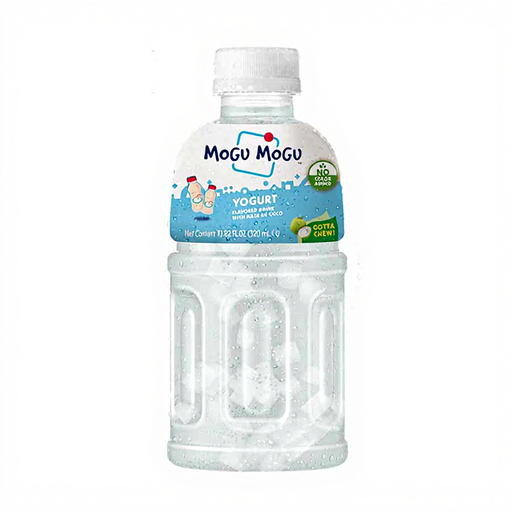
Why This Fits Their Persona: Ideal for the curious who are looking for a beverage that is more than just a thirst quencher. The combination of yogurt flavour and chewy Nata de Coco pieces offers a unique sensory experience.
This drink makes texture its main feature. The ingredient Nata de Coco (fermented coconut water) is clearly declared and delivers exactly what you'd expect from a drink with fruit pieces—no "texture shock."
The combination of a sweet-and-sour yogurt aroma and the firm texture of the coconut pieces is a welcome change from conventional juices.
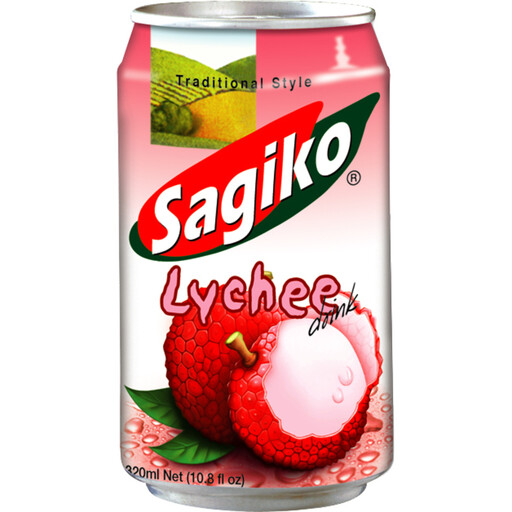
Why This Fits Their Persona: Perfect for those who seek the pure, unadulterated taste of an exotic fruit. This lychee juice focuses on the sweet and floral aroma of the fruit without distracting textures.
This beverage avoids the low-fruit-content trap. The ingredient list shows lychee puree as a key component, ensuring an authentic taste and setting it apart from pure sugar drinks with added flavouring.
Offers a clean, refreshing flavour profile that is ideal as a thirst quencher when chilled or as an accompaniment to spicy foods. The consistency is smooth and light.
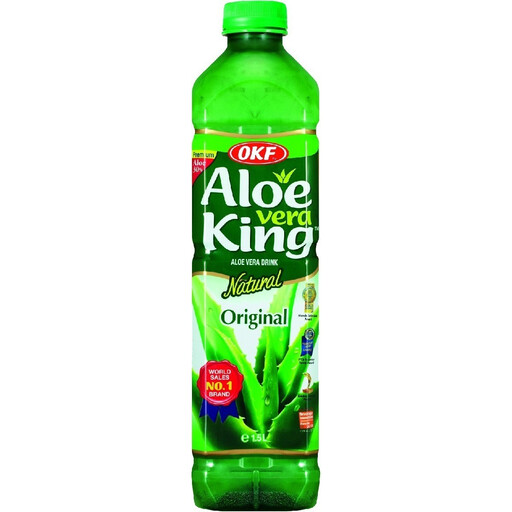
Why This Fits Their Persona: Suitable for families or individuals looking for a refreshing supply for daily use. The 1.5-litre bottle offers great value for money for a popular Aloe Vera Drink.
This product focuses on transparency. According to the ingredients list, it contains a high percentage of aloe vera juice (22%) and aloe vera gel (8%), which ensures its authentic character and distinguishes it from products based solely on flavourings.
The large bottle is practical for stocking up. The drink is refreshing and not overly sweet, with real gel pieces that provide the characteristic mouthfeel.
We've compiled a complete, up-to-date list of products that fully meet these strict selection criteria and local regulations.
Nata de Coco is a chewy, translucent substance produced by the bacterial fermentation of coconut water. It has a jelly-like consistency but is firmer, offering a pleasant bite. It is neutral in taste and absorbs the flavour of the surrounding beverage.
Once opened, most exotic drinks, especially those with real fruit content, should be stored tightly sealed in the refrigerator. It is recommended to consume them within a few days to maintain freshness and taste. Always follow the instructions on the packaging.
Although aloe vera is known for its refreshing properties, many commercial aloe vera drinks contain added sugar or fructose to enhance the taste. A look at the nutrition facts table is advisable. The sugar content per 100 ml provides a good basis for comparison. Products labelled "Original" or "Sugar-Free" can be a lower-sugar alternative.