
Same-day & Next-day Delivery

Quality Guaranteed

Unlock Your Welcome Offers: FREE Delivery | Up to 80% OFF | Free 30-day JoyPlus trial
Download the APP
The quest for new taste experiences leads many to international and exotic drinks. However, the growing selection of tropical fruit juices and Asian soft drinks can be overwhelming. It's not uncommon for bold advertising claims to lead to disappointment when the bottle's contents don't meet expectations. This guide will help you avoid the most common pitfalls and find products that offer genuine enjoyment.
When purchasing exotic drinks, consumers repeatedly encounter the same issues that can spoil the experience. By knowing what they are, you can make a more targeted and informed choice.
To ensure you're getting a high-quality product, you should check two or three core parameters before buying. These will quickly give you an idea of the drink's actual quality.
A product's official designation is legally regulated and provides the crucial clue about its fruit content.
Pro Tip: Always check the ingredients list. A high fruit purée or fruit juice content, listed first or second, is a good indicator of an intense and authentic taste.
Many Asian soft drinks and international beverages are distinguished by their unique texture. Two of the most common ingredients are:
Understanding these ingredients helps you to consciously select and enjoy drinks with special textures.
Based on the criteria above, we have put together a few products for different preferences.
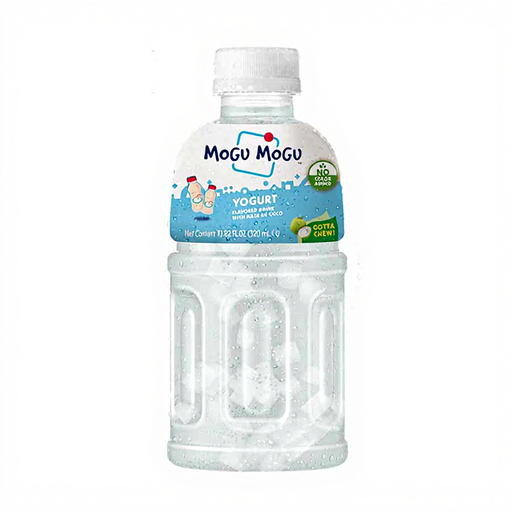
Why This Fits Their Persona: Ideal for curious individuals seeking a playful drinking experience. The combination of a beverage and a chewable element is a hallmark of many popular Asian soft drinks and offers an easy introduction to the world of textured beverages.
The product avoids the "unfamiliar ingredient" trap because the Nata de Coco is its central feature. The texture here is not a flaw, but the advertised highlight of the drink.
A unique drinking experience through the combination of liquid and firm coconut gel pieces. Available in many different flavours like lychee or mango.
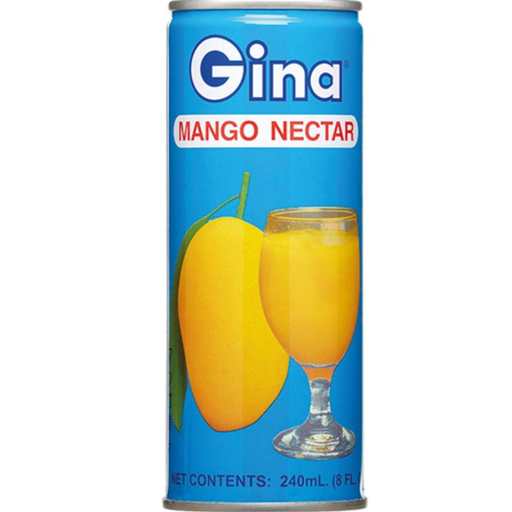
Why This Fits Their Persona: Perfect for anyone who loves the authentic, thick, and full-bodied taste of ripe mangoes. This drink is more of a nectar than a thin juice and is excellent for pure enjoyment.
This drink avoids the low-fruit-content trap with a declared 35% mango purée content. This ensures a natural sweetness and a thick consistency without the need for artificial thickeners.
Very high fruit content for an intense, authentic mango flavour. The velvety, nectar-like texture conveys a premium feel.
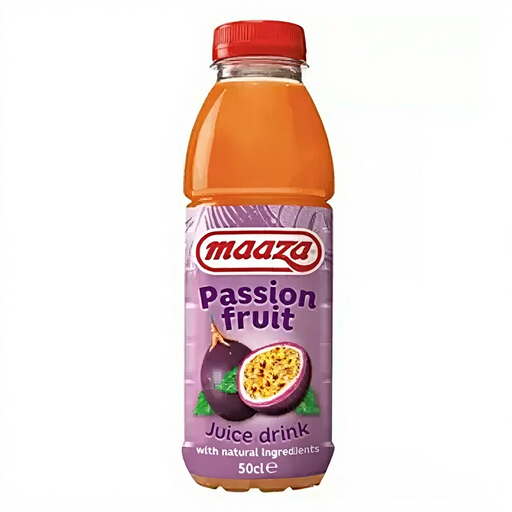
Why This Fits Their Persona: For those who prefer sweet-tart and multi-layered flavour profiles. The intense taste of passion fruit is less one-dimensionally sweet than other tropical fruits and offers a refreshing tartness.
This drink avoids the over-sugared taste trap. It relies on the characteristic bittersweet flavour of passion fruit and a solid 17% fruit juice content, rather than masking the natural acidity with excessive sugar.
Balanced flavour profile between sweet and sour. According to the manufacturer, no artificial colours, flavours, or fragrances are used.
We've compiled a complete, up-to-date list of products that fully meet these strict selection criteria and UK/EU regulations.
Nata de Coco is a chewy, translucent, jelly-like ingredient produced by the bacterial fermentation of coconut water. It has a firm consistency and a neutral to slightly sweet taste, making it well-suited as a texturising element in drinks and desserts. It is a popular ingredient in many Asian soft drinks.
After opening, most tropical fruit juices and other exotic drinks should be stored tightly sealed in the refrigerator. It is recommended to consume them within a few days to maintain freshness and flavour. Drinks with high fruit content or without preservatives tend to be more delicate. Always follow the instructions on the packaging.
The flavour profile can vary greatly. Some international beverages, particularly from Asia, are designed for a palate that prefers a pronounced sweetness. Others, such as drinks based on lemongrass or unsweetened tea, are significantly less sweet. A look at the sugar content per 100 ml in the nutritional information provides the most objective indicator of a drink's sweetness level.