
Same-day & Next-day Delivery

Quality Guaranteed

Unlock Your Welcome Offers: FREE Delivery | Up to 80% OFF | Free 30-day JoyPlus trial
Download the APP
The world of beverages has become more colourful and diverse. In particular, exotic drinks from Asia and other tropical regions are gaining popularity. However, the growing selection can make choosing difficult. Attractive packaging and enticing names can sometimes be misleading about the true contents. Before you buy, it's helpful to know the common pitfalls to make an informed decision.
Many consumers are disappointed when their supposed tropical juice turns out to be a sugary drink with very little fruit content. Another point is consistency: not everyone expects solid pieces in their drink. This can be a welcome change, but also an unwanted surprise.
This guide will help you correctly interpret labels and find the products that meet your expectations.
To avoid being misled by marketing promises, you should check three key aspects. These will give you a clear idea of the drink's quality and character.
The designation on the packaging is legally regulated and provides the crucial clue to the contents.
A quick look at the ingredient list reveals more than any advertising message. The ingredients are listed in descending order of their weight.
If sugar (sucrose) or fructose syrup is listed first or second, it is primarily a sugary drink. An authentic mango drink or tamarind juice should list the respective fruit as the main ingredient. Also, look out for terms like "flavourings" or "colourants," which indicate that the taste and appearance are artificially enhanced.
Some Asian drinks offer a unique mouthfeel with solid inclusions. A well-known example is drinks with fruit pieces made from nata de coco (coconut gel). Brands like Mogu Mogu are famous for this. If you want to buy Mogu Mogu, you are consciously choosing a drink that is meant to be both drunk and "chewed." Those looking for a purely liquid refreshment should look for phrases like "with pieces" or "with Nata de Coco" on the packaging.
Based on these objective criteria, we have put together some products for different preferences.
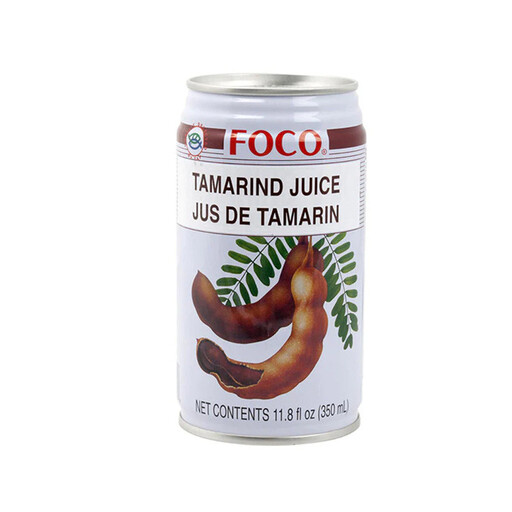
Why This Fits Their Persona: Ideal for those seeking a unique, sweet-and-sour taste beyond the usual sweet fruit juices. Tamarind is still a novelty in the mainstream beverage market, offering an authentic flavour experience.
This drink doesn't pretend to be a pure juice. With 20% tamarind pulp, it offers a clear and honest look at its contents, avoiding the trap of being an artificially flavoured sugar water.
Offers a distinctive, exotic flavour that is a refreshing alternative to standard varieties. The ingredient list is short and easy to understand.
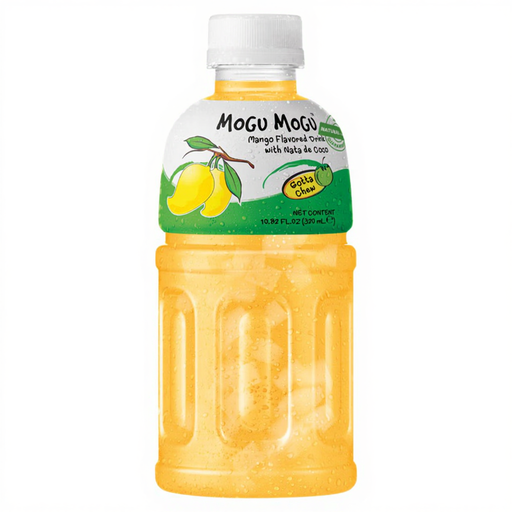
Why This Fits Their Persona: Perfect for young, trend-conscious consumers looking for an interactive drinking experience. The combination of sweet mango flavour and chewy nata de coco pieces makes it both a drink and a snack in one.
This product avoids the "unexpected texture" trap because the 25% nata de coco is its key feature. Buyers know exactly what to expect: a drink you can chew.
Provides a unique mouthfeel that stands out from conventional drinks. The mango flavour is popular and approachable.
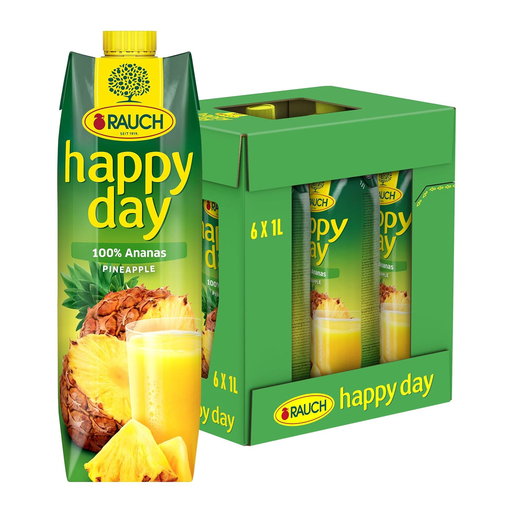
Why This Fits Their Persona: A practical and high-quality solution for families. The 6x1L case ensures there's always a refreshing drink on hand that's popular with both kids and adults.
With its clear declaration of "100% Pineapple Juice", it completely avoids the low-fruit-content trap. The ingredient list consists only of pineapple juice from concentrate—no hidden sugars or flavourings.
Pure fruit juice with no added sugar in a convenient, shelf-stable bulk pack. Certifications like vegan, halal, and kosher make it suitable for many households.
We have compiled a complete, up-to-date list of products that fully meet these strict selection criteria and local regulations.
The main difference is the fruit content. Fruit juice contains 100% fruit. Fruit nectar has a lower fruit content (usually 25–50%) and contains added water and sugar. A fruit juice drink has the lowest fruit content and consists mainly of water, sugar, and flavourings.
Nata de coco is a chewy, translucent gel made from the fermentation of coconut water. It has a slightly firm consistency and a subtly sweet taste. In drinks, it serves as an edible inclusion that creates a unique drinking experience.
After opening, most exotic drinks, especially juices and nectars, should be stored tightly sealed in the refrigerator. It is recommended to consume them within 2 to 3 days to maintain freshness and flavour. Always follow the specific storage instructions on the product packaging.