
Same-day & Next-day Delivery

Quality Guaranteed

Unlock Your Welcome Offers: FREE Delivery | Up to 80% OFF | Free 30-day JoyPlus trial
Download the APP
The world of beverages is far larger than what's on your local supermarket shelf. Exotic drinks, especially Asian beverages, offer a fascinating variety of flavors and textures—from fruity mango juice with pulp to refreshing aloe vera drinks. However, the search for authentic products can quickly become overwhelming. Many consumers invest in supposedly tropical experiences, only to be disappointed by overly sweetened drinks with artificial flavors.
This guide will help you avoid the common pitfalls. We'll show you which objective criteria to look for to find high-quality, genuinely flavorful tropical juices that deliver on their promise.
Before you reach for a lychee juice or a nata de coco drink next time, you should be aware of these common marketing traps that often lead to disappointment:
To ensure you're getting an authentic product, you should check three key parameters before buying. These will give you an objective basis for your decision.
The most important metric for the quality of a fruit beverage is its fruit content. Regulations like Germany's Fruchtsaft- und Erfrischungsgetr?nkeverordnung (FrSaftErfrischGetrV) provide clear guidelines:
Pro Tip: Pay close attention to the exact designation on the label. A high fruit or purée content, often found in high-quality mango juice with pulp or passion fruit juice, is a clear sign of quality.
A short and understandable ingredient list is almost always a good sign. Look out for the following:
The origin can be an indicator of authenticity. Many traditional Asian beverages come from countries like Thailand, the Philippines, or South Korea, where the fruits are native and the drinks have a long history. Brands that specialize in tropical fruits often offer consistently high quality. The consistency—whether thin and refreshing or thick and nectar-like—is also an important factor, often indicated on the label by the purée content.
Here are some recommendations based on objective criteria that cater to different preferences.
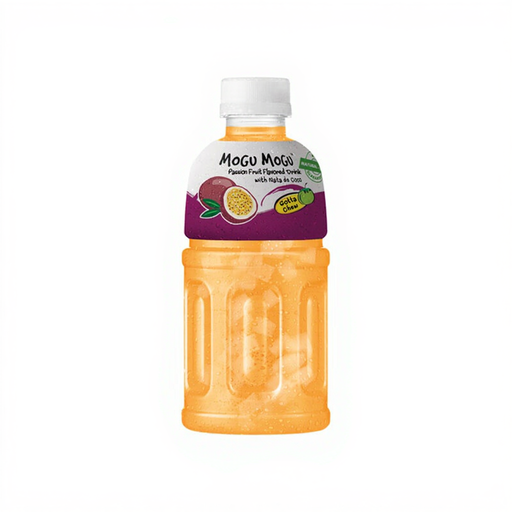
Why This Fits Their Persona: Ideal for anyone looking for a playful drinking experience. The combination of sweet-and-tart passion fruit juice and chewy nata de coco pieces is a perfect introduction to the world of textured drinks and a reason why many people specifically seek out Mogu Mogu.
This drink avoids the misleading texture trap. With a declared 15% nata de coco content, it delivers a noticeable and satisfying chewing experience instead of just advertising the idea of "pieces."
Unique mouthfeel from chewy jelly pieces. Refreshing, not-too-sweet flavor. Made in Thailand, a country of origin for this type of beverage.
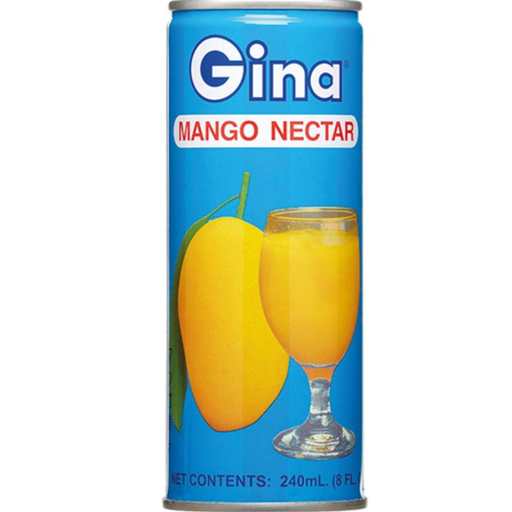
Why This Fits Their Persona: Perfect for lovers of an intense, authentic fruit flavor. Anyone looking for a thick, nectar-like mango juice that tastes like it's freshly puréed will find a great option here.
This drink escapes the "fruit juice drink" trap through transparency. With a declared mango purée content of 35%, it is well above average and delivers a full-bodied, rich flavor instead of watery sweetness.
Very high fruit purée content (35%). Thick, nectar-like consistency. Authentic mango flavor with origins in the Philippines.
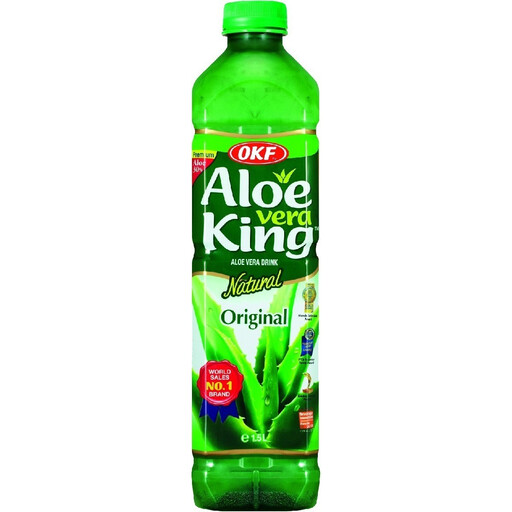
Why This Fits Their Persona: For anyone specifically seeking the refreshing and texture-rich experience of an aloe vera drink. OKF is an established brand from South Korea known for its high content of real aloe pieces.
This product avoids the hidden additives trap. It relies on a clean ingredient list with a high percentage of aloe vera (juice and gel) and avoids artificial colors, resulting in a clean, natural taste.
High content of real aloe vera juice (22%) and gel (8%). Refreshing taste with noticeable pulp. Large 1.5-liter bottle for stocking up.
We have compiled a complete, up-to-date list of products that fully meet these strict selection criteria and regulations.
1. What exactly is Nata de Coco? Nata de coco is a chewy, jelly-like substance produced by the fermentation of coconut water. It originates from the Philippines and is a popular ingredient in many Asian desserts and beverages. It has a neutral, slightly sweet taste and a pleasantly chewy texture that provides a unique mouthfeel in a nata de coco drink.
2. What is the best way to store exotic drinks? Most unopened exotic drinks, especially those in cans or Tetra Paks, should be stored in a cool, dry place away from direct sunlight. After opening, they should be refrigerated and consumed promptly, usually within a few days, to maintain their fresh taste. Be sure to shake drinks with fruit purée or pieces well before enjoying.
3. Are Asian drinks generally very sweet? It varies greatly. While some beverages produced for the Western market can have a high sugar content, there are many traditional Asian beverages that focus on a balanced sweetness or even on tart or floral notes, such as drinks with lemongrass or unsweetened aloe vera. A look at the nutrition facts and the position of sugar on the ingredient list will quickly reveal the level of sweetness.